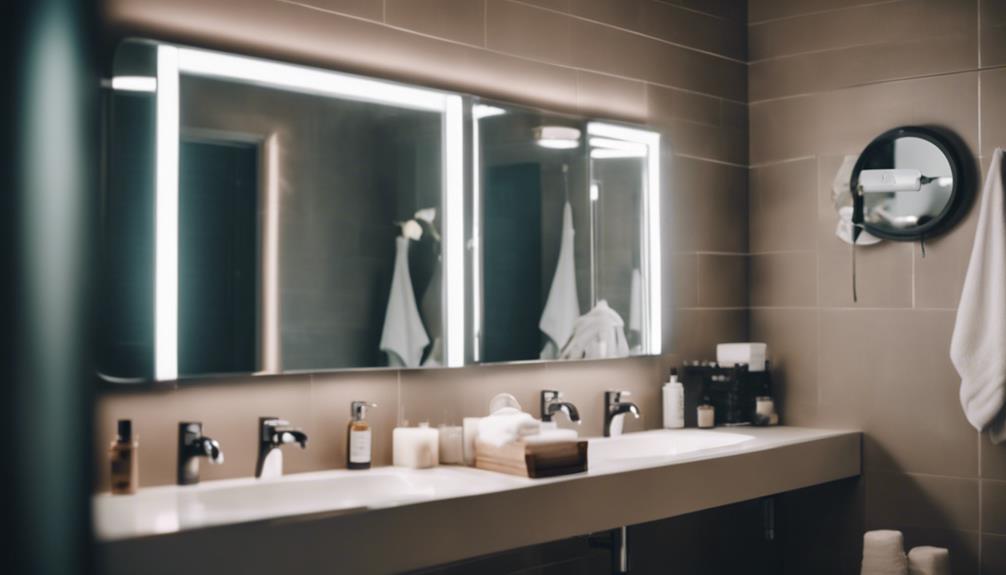

A spy camera mirror combines an ordinary reflective surface with a concealed camera, creating a discreet way to monitor an area. These devices may be considered for security in homes, offices, or retail environments, but their usefulness depends on careful selection, correct installation, reliable maintenance, and respect for privacy.
Because a camera mirror can record people without attracting attention, it should be used only for a legitimate security purpose and in accordance with applicable laws. It is not appropriate for private areas such as bathrooms, changing rooms, or bedrooms, and recording may require notice or consent depending on your location and circumstances.
Why Use a Camera Mirror?
The main advantage of a camera mirror is that it can blend into its surroundings more naturally than a conventional visible camera. This can help maintain the appearance of a room while allowing an authorised user to monitor entrances, reception areas, storage zones, or other suitable locations.
- Discreet design: The camera is integrated into a mirror rather than placed in an obvious housing.
- Flexible placement: A mirror can be positioned where a standard security camera may look out of place.
- Useful coverage: A wide viewing angle can help reduce areas outside the camera’s field of view.
- Activity-based recording: Motion detection may help limit unnecessary recordings and simplify footage review.
Features to Compare Before Buying
Start by identifying the area you need to monitor and the conditions in which the mirror will operate. A feature that is useful in a well-lit hallway may be less suitable in a dim storage area or a location with frequent movement.
Image and viewing options
Choose a model that provides sufficiently clear video for the intended purpose. A wide-angle lens can cover more of a room, although placement still matters and a wider view may introduce distortion. Check whether the camera supports the viewing direction and distance required for your installation.
Recording and connectivity
Review how footage is stored and accessed. Depending on the model, recordings may use removable storage or a network connection. Wireless access can make monitoring more convenient, but it also introduces additional setup and security requirements. Confirm that the device is compatible with your network and that you can protect access with a strong, unique password.
Mounting and power
A secure mounting system is essential. Look for a mirror that can be fixed firmly to the intended surface without shifting over time. Also check the power arrangement, cable length, and whether the installation location provides a safe route for cables and access for maintenance.
Planning the Installation
Before attaching the mirror, identify the specific area that needs to be visible. Place it high enough to provide a useful view, but not so high that important details are lost. Avoid obstructions such as shelving, signs, plants, or bright light sources that could interfere with the image.
Test the proposed position before completing the installation. Check the camera’s field of view, image brightness, and reflection quality from the normal viewing angle. Once the position is suitable, secure the mirror carefully so that vibration or accidental contact will not change its alignment.
Do not install a camera mirror solely because it is difficult to notice. Its placement should be justified by a lawful security need, and people who may be recorded should receive any notice required by local rules or workplace policies.
Practical Monitoring Practices
Use the camera to monitor a defined area rather than collecting more footage than necessary. Review the settings for motion detection, recording duration, and storage capacity. If multiple cameras are used, position them to address genuinely different coverage needs instead of creating unnecessary duplication.
Limit access to recordings to authorised users. Establish a sensible retention and deletion routine, and avoid sharing footage casually. Keeping a record of who can access the system can also help identify problems if footage is misplaced or viewed improperly.
Troubleshooting Common Problems
- Blurred or poor-quality video: Clean the lens area, check the focus, and confirm that lighting is adequate.
- Missing coverage: Recheck the mirror’s angle and look for new obstructions or blind spots.
- Failure to record: Verify the power supply, connections, storage capacity, and recording settings.
- Wireless access problems: Confirm network settings and connection strength, then check whether the device software requires an update.
- Unstable positioning: Inspect the mounting hardware and realign the mirror if it has shifted.
Privacy and Legal Responsibilities
Surveillance rules differ by jurisdiction and by setting. Before installing a spy camera mirror, research requirements concerning consent, notification, audio recording, workplace monitoring, and the storage of personal information. When the legal position is unclear, obtain qualified local advice before recording.
A camera mirror can be a practical security tool when it is selected for the right environment, installed securely, maintained regularly, and used transparently and lawfully. Responsible planning is just as important as image quality or discreet design.