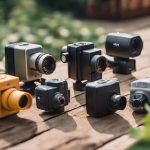

Small, discreet cameras can capture perspectives that are difficult to record with a conventional camera. When used responsibly, they can support security, education, storytelling, and audience engagement on Twitter. The platform can then be used to share short clips, live updates, product demonstrations, or conversations about the footage.
However, a camera should never be used to secretly record people where they reasonably expect privacy. Before filming, check applicable laws, venue rules, platform policies, and consent requirements. The following ideas focus on transparent, lawful uses rather than covert surveillance.
1. Share security updates
A compact camera can document activity around a permitted area, such as an entrance, storage space, or event perimeter. Footage may help explain a security incident or demonstrate how a security setup works. Avoid posting identifiable faces, private conversations, access codes, or footage that could expose someone to unnecessary risk.
2. Cover live events
At conferences, performances, exhibitions, and community gatherings, a small camera can provide an additional viewpoint without obstructing the audience. Short clips shared on Twitter can highlight important moments, explain schedule changes, or show the atmosphere of an event. Event organisers should obtain permission from the venue and participants before recording or broadcasting.
3. Reveal behind-the-scenes work
Behind-the-scenes content can make an event, production, or creative project more engaging. A discreet camera placed with the knowledge of the people involved might capture setup work, rehearsals, demonstrations, or the process of preparing a presentation. This approach offers a more natural perspective while keeping contributors informed and comfortable.
4. Observe wildlife responsibly
Motion-activated or compact cameras can help document wildlife without requiring a person to remain nearby. Footage may show animal behaviour, movement patterns, or changes in a habitat. Cameras should be positioned so they do not disturb animals, interfere with nests, attract wildlife toward roads or people, or reveal the location of vulnerable species.
5. Demonstrate a product
Product videos are often more useful when viewers can see a device in ordinary conditions. A small camera can show setup, controls, mounting options, or an example of recorded footage. On Twitter, concise demonstrations can be paired with clear explanations of limitations, safety considerations, storage, and privacy features rather than relying on exaggerated claims.
6. Document travel experiences
Compact cameras are practical for recording walks, outdoor activities, local markets, and other travel memories. They can capture a first-person view while leaving the user’s hands free. Travellers should respect local filming restrictions, ask before recording individuals, and avoid posting sensitive details such as hotel room numbers, private homes, or a real-time location that could create a safety concern.
7. Collaborate with creators and reviewers
Security specialists, technology reviewers, travel creators, and photographers can offer useful perspectives on camera equipment. A collaboration might compare mounting options, discuss image quality, or demonstrate responsible placement. Sponsored or gifted content should be identified clearly, and creators should not be encouraged to stage invasions of privacy for attention.
8. Check on pets
A pet camera can help owners see whether an animal is eating, resting, or becoming distressed while the owner is away. Short, harmless clips may also be entertaining to share. Remote viewing is not a substitute for proper care, and cameras should not be placed in private areas where household members or visitors may be recorded without their knowledge.
9. Improve home-security awareness
Rather than treating a camera as a hidden device, homeowners can use it as one part of a clearly planned security system. Suitable uses may include checking an entrance, reviewing an alert, or observing a delivery area. Secure accounts, strong unique passwords, software updates, and limited access are important. Do not publish footage that reveals when a home is empty or shows how security controls can be bypassed.
10. Create practical tutorials
DIY content can explain how to position a camera for a permitted task, reduce glare, improve audio, organise files, or protect recordings. Tutorials should focus on lawful monitoring and transparent use. They should not provide instructions for hiding cameras in private spaces, recording conversations secretly, or evading consent requirements.
Use Twitter thoughtfully
Before posting, review every clip for private information, uninvolved people, vehicle plates, addresses, and conversations captured in the background. Add context so viewers understand where and why the footage was recorded. When consent is uncertain, edit, blur, crop, or do not publish the material. Used with care, a small camera can provide useful perspectives without sacrificing privacy, trust, or safety.