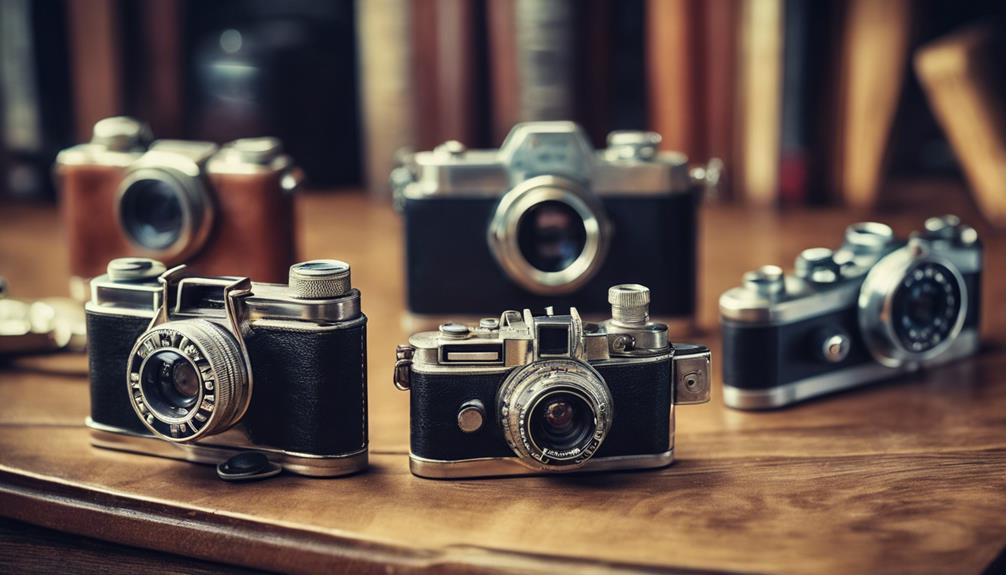

Vintage spy cameras combine the history of photography with the ingenuity of covert technology. Designed to be small, discreet, and practical, these devices were created for situations in which a conventional camera would attract attention. Today, they appeal to collectors, photography enthusiasts, and anyone interested in the material history of espionage.
Why Vintage Spy Cameras Matter
The development of spy cameras followed the broader progress of photographic technology. Early equipment could be bulky and difficult to conceal, while later designs became increasingly compact and easier to carry. Smaller bodies, improved optics, and more efficient film systems made it possible to take photographs without openly handling a traditional camera.
These cameras are valuable historical objects because they show how designers responded to the practical demands of covert photography. Their importance is not limited to espionage. They also reflect changing ideas about engineering, industrial design, portability, and the relationship between everyday objects and surveillance.
Common Disguises and Designs
Many vintage spy cameras were concealed in objects that would not immediately attract notice. Their disguises were intended to make the camera blend into a person’s clothing or surroundings. Examples associated with historic designs include:
- Pens and other writing instruments
- Ties, buttons, and accessories worn with clothing
- Books and other ordinary personal items
- Wristwatches and similar portable objects
The disguise was only part of the design. A useful covert camera also needed a practical way to frame an image, advance the film, and operate the shutter without drawing attention. This makes disguised cameras especially interesting to examine: their unusual appearance often conceals a carefully integrated photographic mechanism.
Notable Vintage Models
Minox B
The Minox B is one of the best-known subminiature cameras associated with spy-camera history. Its compact form and reputation for producing high-quality images helped make it an enduring symbol of covert photography. Collectors often value examples that retain their original components and show clear evidence of their production history.
Leica Minox III
The Leica Minox III is another notable model for enthusiasts interested in precision miniature cameras. Its engineering and optics contribute to its appeal, while its place in the history of spy-camera design makes it a popular subject for collectors and photographers.
Steineck ABC wristwatch camera
The Steineck ABC wristwatch camera stands out because the camera was integrated into a watch-style design. Its unusual form and limited production make it particularly interesting to people who collect rare or unconventional photographic equipment.
Starting a Collection
A strong collection does not have to begin with the rarest or most expensive camera. Start by deciding what interests you most: miniature cameras, disguised devices, particular manufacturers, mechanical design, or the history of covert photography. This focus will help you compare pieces more intelligently.
Before buying, examine photographs carefully and ask for details about the camera’s condition. Check whether the body, lens, shutter, film compartment, and accessories appear complete. Original cases, boxes, instructions, and other documentation can add historical interest, although condition and authenticity should always be assessed carefully.
Online auctions and specialist collector communities can help you learn about prices, variations, and restoration issues. Forums and photography groups are also useful for comparing examples and identifying features that may not be obvious from a brief listing. Treat seller descriptions as starting points rather than guarantees, particularly when a camera is described as rare, original, or fully functional.
Care and Maintenance
Vintage cameras should be handled gently. Use a soft, clean microfiber cloth to remove loose dust and surface marks. Avoid abrasive materials and strong household chemicals, which may damage finishes, lettering, lenses, or other delicate parts.
Keep cameras in a cool, dry place away from direct sunlight, excessive humidity, and sudden temperature changes. A protective case or enclosed display cabinet can reduce exposure to dust and accidental knocks. Do not force a stuck control, open a mechanism unnecessarily, or test an old camera with film until you understand its condition.
If a camera has corrosion, mechanical damage, fungus, or a shutter that no longer operates correctly, consult someone experienced with vintage photographic equipment. Improvised repairs can reduce both the camera’s historical authenticity and its value.
Responsible Exploration
Vintage spy cameras are historical artifacts, but their original purpose involved photographing people or places without obvious consent. Any camera that remains operational should be used responsibly and only in ways that respect privacy and applicable laws. For many collectors, display, study, and careful mechanical examination offer the most appropriate ways to enjoy these devices.
By combining historical research with cautious buying, proper storage, and ethical use, you can build a collection that is both fascinating and well preserved. Each camera offers a small lesson in how photographers and engineers solved the challenge of making photography less visible.