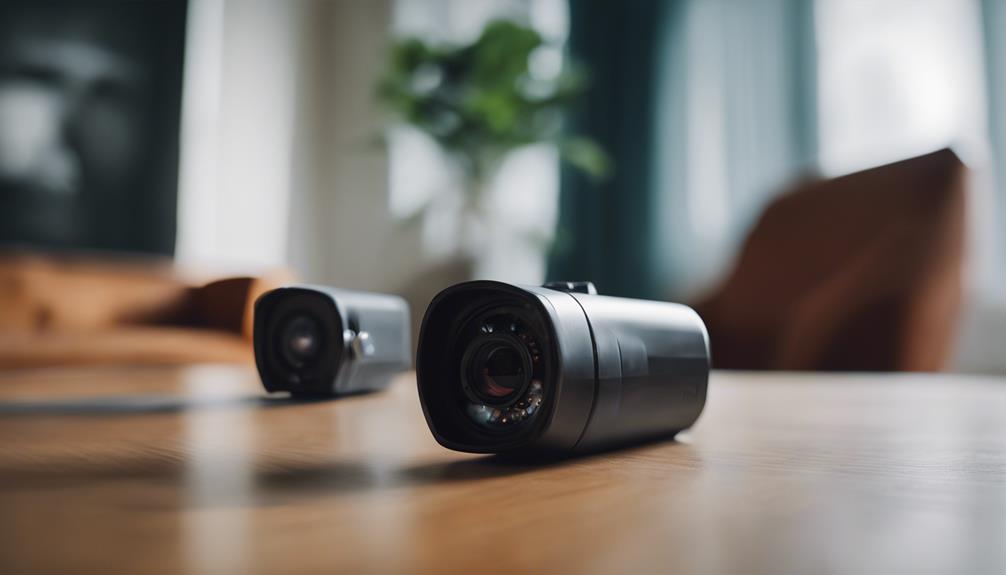

Wired spy cameras can provide a dependable video connection without relying on a built-in battery. They are often considered for home security, property monitoring, workplace safety, or other situations where a stable power source and consistent recording are more important than portability. The right choice depends on lighting, viewing area, storage, remote access, and local privacy requirements.
Before installing any concealed or discreet camera, make sure you have permission to monitor the space. Recording people without their knowledge may be restricted, particularly when audio is involved. Use these devices for lawful, clearly defined security purposes and follow applicable consent and privacy rules.
1. Miniature Wired Camera
A miniature wired camera is useful when a compact design matters. Its small lens and separate wired connection can make it suitable for monitoring entrances, cabinets, hallways, or other confined areas where a larger security camera would be impractical.
When comparing miniature models, check the resolution, lens angle, cable length, power requirements, and mounting options. If the camera will operate in darkness, confirm that its night-vision range is appropriate for the room rather than assuming that infrared illumination will cover the entire area.
2. High-Definition Wired Camera
Choose a high-definition wired camera when identifying details is a priority. Higher resolution can make faces, labels, and activities easier to review, although the final image also depends on lighting, lens quality, positioning, and the recording system.
Some cameras can provide a live feed through a compatible recorder or network connection. Before buying, verify that the camera works with your existing equipment and that the system supports the desired video format, storage method, and remote-access requirements.
3. Motion-Activated Camera
A motion-activated wired camera records when movement is detected instead of capturing continuous footage. This can reduce storage use and make important events easier to find during playback.
Motion detection is not perfect. Pets, changing light, moving curtains, and other background activity can trigger recordings, while slow or distant movement may be missed. Look for adjustable sensitivity, detection zones, and recording settings that allow you to balance coverage with fewer false alerts.
4. Low-Light or Night-Vision Camera
A low-light wired camera is designed for areas that are dim during part or all of the day. Infrared night vision can help produce monochrome footage in darkness, while low-light sensors may preserve more detail when some ambient light is available.
Review the camera’s stated operating range and test its position after installation. Reflective surfaces, glass, bright lights, and complete darkness can all affect image quality. A camera that performs well in a hallway may produce different results in a large outdoor or open-plan area.
5. Wide-Angle Wired Camera
A wide-angle lens can cover more of a room with one camera, which is useful for entrances, small offices, and shared spaces. However, wider coverage may introduce distortion or make distant subjects appear smaller.
Position the camera carefully so that the expanded view covers the area that matters most. Compare the horizontal viewing angle, image quality at the edges, and mounting flexibility. A wide field of view is not a substitute for correct placement.
6. Remote-Viewing Wired Camera
A remote-viewing model allows an authorised user to check live or recorded footage from another location. This may be useful for checking a property, receiving security notifications, or reviewing an event without being physically present.
Remote access depends on more than the camera itself. Confirm that the recorder, network connection, mobile application, and security settings are compatible. Use strong, unique credentials, keep supported software updated, and limit access to trusted users.
7. Wired Camera with Audio
Some wired cameras include a microphone or two-way audio. Audio can add context to video, but it also creates additional privacy and legal responsibilities. In many locations, recording conversations has stricter consent requirements than recording images.
Only enable audio when it is lawful, necessary, and properly disclosed where required. Check microphone quality, audio storage, transmission security, and whether the feature can be disabled independently of video recording.
What to Check Before Buying
- Power and cabling: Confirm the required voltage, connector type, cable length, and installation route.
- Recording: Check whether footage is stored on a digital video recorder, network storage, memory card, or another compatible system.
- Lighting: Match night vision and low-light performance to the actual environment.
- Coverage: Compare lens angle, mounting position, and the distance at which useful detail is retained.
- Privacy: Avoid areas where people reasonably expect privacy, and follow notice and consent rules.
- Security: Protect connected devices with strong passwords, updates, and restricted user access.
Choosing the Best Option
The best wired spy camera is the one that fits the legitimate monitoring task rather than the one with the longest feature list. Select a miniature model for tight spaces, high definition for detail, motion activation for event-based recording, night vision for dark areas, a wide-angle lens for broader coverage, remote viewing for authorised off-site access, or audio only when recording sound is lawful and genuinely needed.