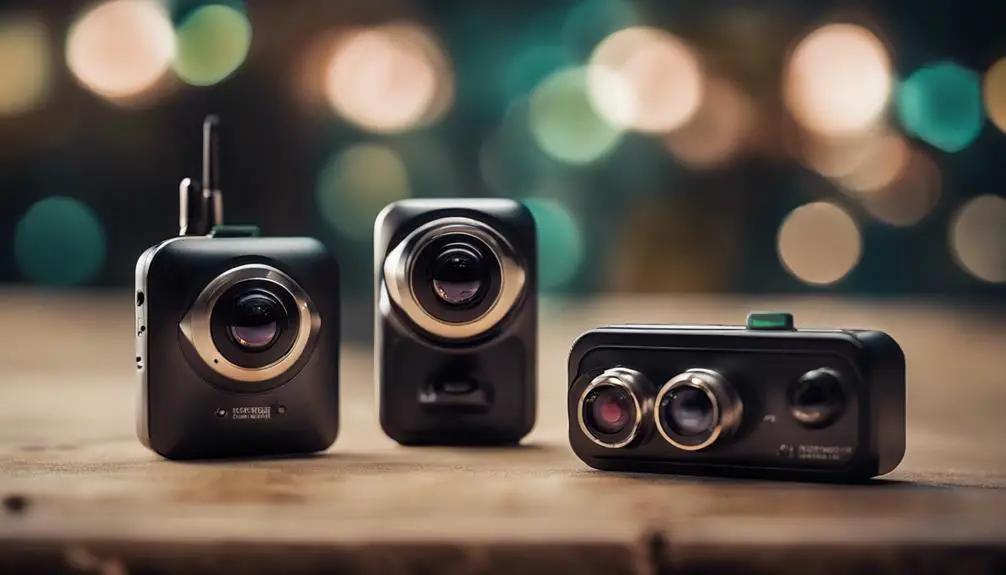

Wireless cameras with audio can combine video monitoring with sound recording, making it easier to review activity in a room or other permitted area. However, audio recording raises additional privacy and legal concerns, so these devices should be used only where monitoring is lawful and everyone who needs to know has been properly informed or has provided consent.
The three options below represent different priorities: clear video, motion-triggered monitoring, and stronger microphone and wireless-range performance. Comparing those strengths can help you choose a camera that matches your legitimate monitoring needs.
Camera A: A straightforward choice for video and audio
Camera A is designed for users who want high-definition video alongside detailed audio capture. Its straightforward setup requires only basic technical knowledge, which may make it suitable for monitoring a permitted indoor space without a complicated installation process.
Key features
- High-definition video recording for clearer footage.
- Audio capture intended to supplement the video record.
- A relatively simple installation process.
- Continuous recording for reviewing footage later.
Continuous recording can be useful when it is important to preserve a complete record rather than capture only activity that triggers an alert. The trade-off is that ongoing recording may require more storage and can make reviewing footage less efficient.
Because Camera A records sound, placement deserves careful consideration. Audio can capture private conversations beyond the area you intended to monitor. Check applicable recording laws before enabling the microphone, and avoid using the camera in places where people reasonably expect privacy.
Camera B: Motion detection and flexible mounting
Camera B focuses on activity-based monitoring. Its motion detection feature is intended to begin recording when movement is detected, which can reduce unnecessary footage and make important events easier to locate.
Why choose Camera B?
- Motion detection for recording activity rather than relying only on continuous capture.
- Multiple mounting choices for positioning the camera in different locations.
- High-quality recording for reviewing detected events.
- Remote access to live feeds when an internet connection is available.
The combination of motion detection and remote viewing may be useful when you need to check a permitted space while away from it. Mounting flexibility can also help you select an angle that covers the intended area without pointing into private rooms, neighboring property, or other locations that should not be recorded.
Motion detection is not a substitute for checking local rules. If audio recording is enabled, the same consent and privacy requirements apply even when the camera records only after detecting movement.
Camera C: Emphasis on microphone quality and wireless range
Camera C is distinguished by its built-in microphone and wireless signal performance. The supplied specifications describe clear audio capture within approximately 20 feet and connectivity of up to 100 feet in open areas.
Notable capabilities
- A microphone designed to capture sound clearly within a 20-foot radius.
- Wireless connectivity of up to 100 feet in open spaces.
- Suitability for monitoring a larger room or an outdoor area where permitted.
Actual wireless performance can vary with walls, building materials, interference, and the placement of the camera and receiving device. The stated range should therefore be treated as an open-area reference rather than a guarantee for every installation.
The microphone’s stated reach also makes responsible placement especially important. A device that can pick up conversations from a distance may record people who were not aware of the monitoring. Disable audio when it is unnecessary and use visible notice or consent procedures where required.
How the three options compare
| Option | Main strength | Best suited to |
|---|---|---|
| Camera A | High-definition video and continuous recording | Users who want a straightforward setup and a complete recording history |
| Camera B | Motion detection and flexible mounting | Users who want activity-based recording and remote live viewing |
| Camera C | Microphone clarity and open-area wireless range | Users who specifically need stronger audio pickup and broader connectivity |
Choosing responsibly
Choose Camera A if continuous, high-definition recording is the priority. Camera B may be the better fit when motion-triggered footage and mounting flexibility matter most. Camera C is the natural choice among these three when microphone performance and wireless range are the deciding factors.
Before installing any wireless camera with audio, confirm that recording is lawful in your location, protect stored footage, use strong account credentials, and position the device only toward areas you are authorized to monitor. In many situations, video-only recording is less intrusive than recording sound, so consider leaving the microphone off unless audio is genuinely necessary.