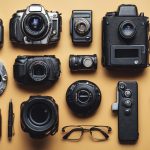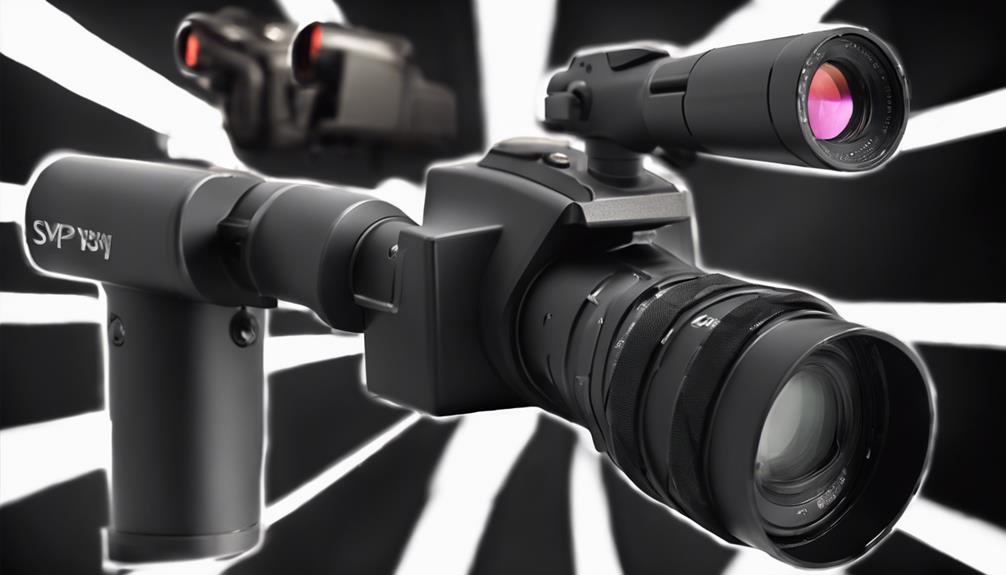

A spy focus camera is designed for situations where discreet monitoring, flexible placement, and dependable recording are important. The most useful models combine clear video with practical surveillance features such as wide-angle coverage, motion alerts, night vision, and remote access. Before choosing or installing one, consider both the camera’s technical capabilities and the privacy requirements of the location where it will be used.
High-Resolution Video Recording
Video resolution is one of the most important factors in a surveillance camera. Clear footage makes it easier to identify activity, review events, and distinguish important details in the scene. A high-resolution camera is particularly useful when monitoring rooms, hallways, entrances, offices, or other areas where image clarity matters.
Storage is also part of the recording experience. A camera with sufficient storage capacity can retain more footage before older files need to be deleted or transferred. When evaluating a model, consider how much video it can store, how recordings are accessed, and whether the storage method suits the intended monitoring period.
Wide-Angle Coverage
A wide-angle lens allows one camera to capture more of its surroundings than a narrow lens. This can be helpful in larger rooms, shared spaces, and areas where several viewpoints would otherwise be necessary. Broader coverage may also reduce blind spots, although positioning remains important for getting the best view.
Wide-angle images can show some distortion at the edges, so lens quality should be considered alongside viewing range. Place the camera where it can cover the intended area without pointing into spaces that do not need to be monitored. In shared or public environments, limiting the field of view can help balance security needs with personal privacy.
Motion Detection and Alerts
Motion detection reduces the need to watch a live feed continuously. When movement is detected, the camera can begin recording or send an alert, depending on its available functions. This makes it easier to focus on relevant activity and conserve storage compared with recording continuously.
Useful motion-detection controls may include adjustable sensitivity and configurable monitoring zones. These settings can help reduce alerts caused by insignificant movement, lighting changes, or activity outside the area of interest. Careful adjustment is important because overly sensitive detection can create repeated notifications, while a setting that is too low may miss meaningful movement.
Infrared Night Vision
Infrared night vision supports recording when visible light is limited. It can help the camera capture footage in dim rooms or during nighttime conditions, extending monitoring beyond daylight hours. This feature is especially valuable for entrances, corridors, storage areas, and other locations that may not be consistently illuminated.
Night-vision performance depends on the camera’s placement and the darkness of the environment. Avoid positioning it behind glass or near surfaces that may reflect infrared light back into the lens, as this can reduce image quality.
Remote Viewing and Live Streaming
Remote access allows an authorised user to view the camera feed without being physically present. Live streaming can be useful for checking a location in real time, while remote playback makes it easier to review recorded events when needed.
Convenience should not come at the expense of security. Look for strong password protection and data encryption to help prevent unauthorised access to live video and stored recordings. Use unique login credentials, restrict access to trusted users, and review account settings regularly.
Compact Design and Placement
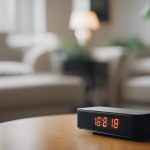
A compact camera is easier to position in locations where a larger device would be distracting or impractical. Its small footprint may allow installation on a shelf, desk, wall, or other suitable surface, depending on the design and mounting options. A discreet appearance can help the camera blend into its surroundings, but discreet placement should never be used to bypass consent or applicable recording laws.
Before installation, check the camera’s viewing angle, power requirements, wireless range, and access to the recorded footage. Position it to monitor the intended area while avoiding bedrooms, bathrooms, or other private spaces unless there is a clear, lawful, and informed reason to do so.
Choosing the Right Feature Combination
The best spy focus camera depends on the environment and the purpose of monitoring. High resolution supports detailed review, a wide-angle lens expands coverage, motion detection reduces unnecessary recording, and infrared night vision helps in low-light conditions. Remote access adds convenience, while encryption and password protection help safeguard the resulting footage.
Used responsibly and in accordance with privacy requirements, these features can make a compact camera a practical tool for monitoring property and reviewing activity. Technical specifications matter, but thoughtful placement, secure access, and respect for the people being recorded are equally important.