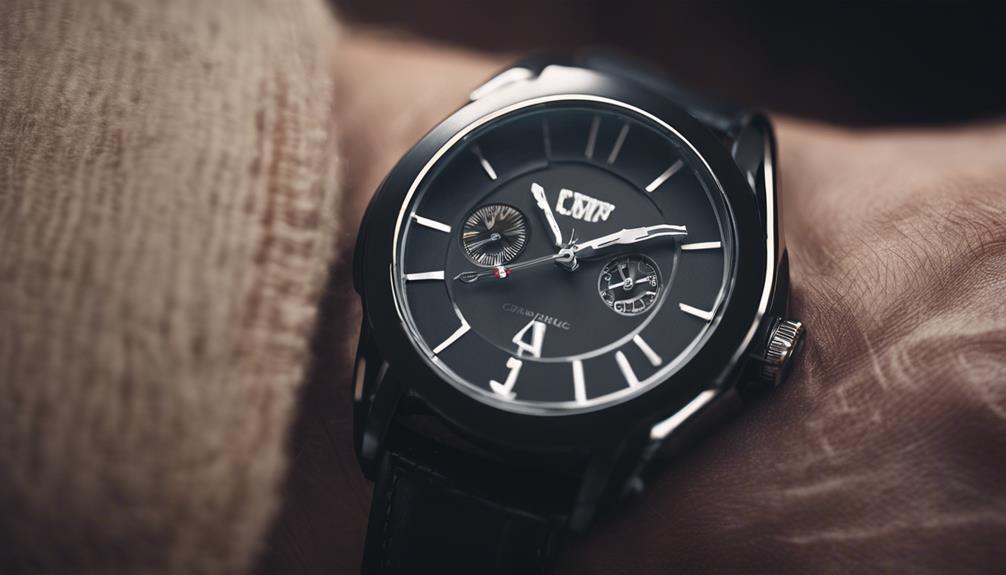

A spy watch with a camera combines the appearance of a conventional wristwatch with photo and video recording features. These devices may appeal to shoppers looking for a discreet personal recording tool, but capabilities vary considerably between models. A careful comparison is important because a watch that looks impressive in product photos may have limited battery life, storage, or recording quality.
Before choosing one, consider the following seven features and use the device responsibly. Recording people without their knowledge may be restricted by privacy and surveillance laws, particularly in private settings. Check the rules that apply where you live and obtain consent when required.
1. Camera placement and recording quality
The camera is commonly positioned within or near the watch face, allowing the device to retain a relatively ordinary appearance. Its placement matters: a poorly positioned lens may be blocked by the wrist, clothing, or the watch strap.
Look beyond labels such as “HD.” Check the actual video resolution, image quality, viewing angle, file format, and whether the camera can take still photographs as well as record video. A wide viewing angle can capture more of a scene, while a narrower angle may produce a more natural-looking image. Product descriptions should also make clear whether audio is recorded, since audio capture can create additional legal and privacy concerns.
2. Low-light performance
Some camera watches are marketed with night vision or infrared recording. This can help in dim conditions, but it should not automatically be interpreted as clear recording in complete darkness. Low-light results depend on the sensor, infrared range, lens, and surrounding conditions.
If nighttime recording is important, look for sample footage rather than relying solely on promotional wording. Also check whether infrared illumination is visible, whether it affects image quality, and whether the feature can be turned off when it is not needed.
3. Battery life and charging
Video recording consumes more power than ordinary timekeeping. Battery performance therefore deserves close attention, especially if the watch will be used away from a charger for several hours.
- Compare the stated standby time with the expected recording time.
- Check how the battery is charged and whether the charging cable is proprietary.
- Find out whether recording stops automatically when the battery is low.
- Consider how long a full recharge takes.
Actual runtime can vary with resolution, motion detection, wireless features, and screen use, so treat advertised figures as estimates rather than guarantees.
4. Storage and file transfer
Recorded footage needs somewhere to go. Camera watches may use built-in storage, a memory card, or a companion phone application, depending on the design. More storage allows longer recording, but larger video files also fill space quickly.
Confirm the storage capacity, maximum supported memory card size if applicable, and the available transfer methods. USB transfer can be straightforward, while wireless transfer may be more convenient but slower or more dependent on an app. A loop-recording option may automatically overwrite older files, which is useful for some purposes but risky if important footage is not backed up promptly.
5. Wireless connectivity and security
Wireless functions can make it easier to move files or control the watch from another device. Some models may offer a phone connection, remote viewing, or notifications, but these features should be evaluated carefully.
Use strong, unique passwords where accounts are required, install updates from the manufacturer when available, and avoid connecting the device to networks you do not trust. Remote access can increase convenience while also creating privacy and security risks if the watch, phone, or connected account is poorly protected.
6. Motion detection and controls
Motion detection can begin recording when movement is detected, potentially conserving storage compared with continuous recording. However, it may miss events, trigger unnecessarily, or produce many short clips in a busy environment.
Physical buttons, vibration feedback, a visible recording indicator, and simple menus are also valuable. A complicated interface can make it difficult to confirm whether recording has started or stopped. Choose a model whose controls are understandable before it is needed.
7. Build quality and everyday practicality
A camera watch should be comfortable enough to wear and sturdy enough for normal handling. Look at the case materials, strap, lens protection, screen readability, and resistance to dust or water.
Do not assume that “waterproof” means suitable for swimming or diving. Water resistance ratings have limits, and the charging port, buttons, and seals may require particular care. If durability is important, check the manufacturer’s specific guidance instead of relying on a general marketing description.
Making a responsible choice
The best spy watch with a camera is not necessarily the one with the longest feature list. Prioritise dependable recording, manageable battery life, secure file handling, and controls you can use confidently. Most importantly, use any recording function only for lawful, legitimate purposes and respect the privacy of people around you.