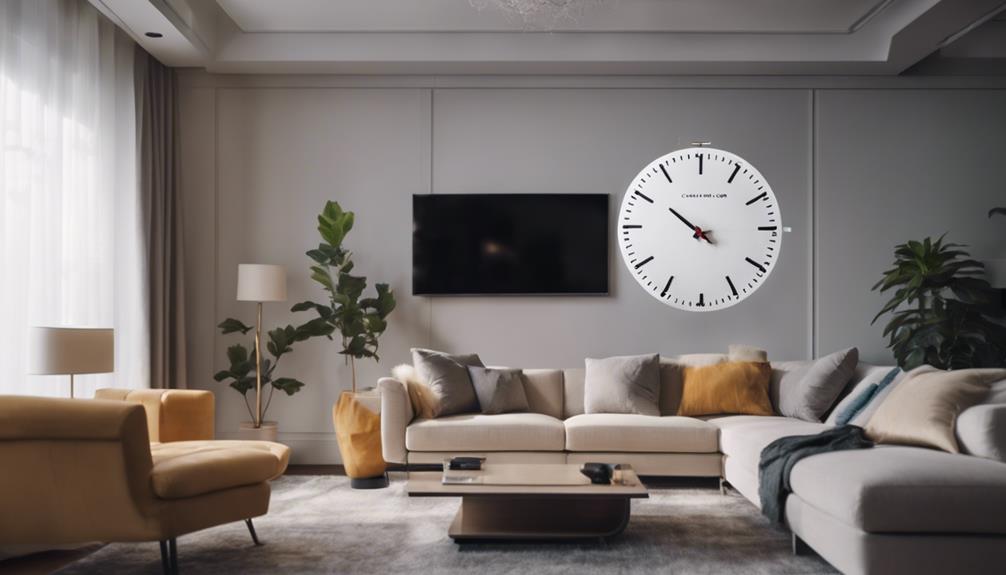

Wall-clock hidden cameras combine an ordinary household object with video-monitoring hardware. Their main appeal is discretion: a clock can fit naturally into a room while providing a fixed viewpoint for recording activity. Whether one is genuinely effective, however, depends on more than concealment. Image quality, camera placement, motion detection, storage, remote access, and responsible use all affect the result.
What Makes a Wall-Clock Camera Useful?
A wall-clock design may be less visually distracting than a conventional security camera. In some settings, this can help the device blend into the surrounding décor and provide a consistent view of a room. It may be considered for areas such as a home office, entryway, or other location where monitoring is lawful and appropriate.
The design is most useful when the camera has a clear, unobstructed view. A concealed lens is not automatically effective if the clock is mounted too high, pointed toward a bright window, or positioned where furniture blocks the scene.
Features That Affect Performance
Video quality and viewing angle
Higher-quality video can make recorded events easier to review, particularly when faces, objects, or movement need to be distinguished. The camera’s viewing angle also matters: a wide view may cover more of a room, while a narrower view may provide greater detail in one specific area. Buyers should check the actual specifications rather than assuming that every clock-style camera offers the same results.
Motion-activated recording
Motion detection can start recording when movement occurs instead of creating one continuous, lengthy recording. This may reduce unnecessary footage and make important events easier to find. Performance can vary, though. Changes in lighting, moving curtains, pets, or activity outside the intended area may produce unwanted alerts, while movement outside the detection range may not be captured.
Remote access and alerts
Some models provide access to live video or saved recordings through a connected device. Real-time notifications can also draw attention to detected movement while the user is away. These features are convenient, but they introduce additional security responsibilities. Remote access should be protected with strong, unique passwords, secure network settings, and up-to-date device software where those options are available.
Storage and playback
Recording capacity affects how long footage can be retained. A camera may store video locally or provide another recording method, depending on its design. Before installation, confirm how footage is saved, how it can be reviewed, and what happens when available storage is full. Easy playback and clearly organised recordings are just as important as the camera’s headline resolution.
Installation and Placement Considerations
A wall-clock camera is generally intended to be straightforward to position, but careful setup still matters. Mount it securely, keep the lens unobstructed, and test the view at different times of day. Lighting conditions can change substantially between daylight and evening, affecting image clarity.
Placement should be guided by a specific monitoring purpose rather than maximum coverage alone. Avoid positioning the device in places where people reasonably expect privacy. It is also important to ensure that the clock’s normal function does not distract from checking whether the camera is operating, powered, and recording correctly.
- Choose a stable location with a clear view of the intended area.
- Check the image for glare, shadows, and blind spots.
- Test motion detection before relying on alerts.
- Review storage and battery or power requirements regularly.
- Secure any app, account, or network used for remote viewing.
Privacy, Consent, and Legal Responsibilities
The discreet appearance of a hidden camera makes responsible use especially important. Recording people without their knowledge may violate privacy laws or workplace rules, and audio recording can be subject to additional restrictions. Requirements differ by location and situation, so users should understand the rules that apply before installing or operating the device.
Use should be limited to a legitimate, clearly defined security purpose. Where consent or notice is required, provide it. Do not use a concealed camera to monitor private activities, target individuals improperly, or share recordings with unauthorised people. Protect stored footage as sensitive information and delete it when it is no longer needed.
Overall Effectiveness
Wall-clock hidden cameras can offer discreet, convenient monitoring when they are placed carefully and used lawfully. Motion detection, clear recording, remote access, and alerts may improve their practical value, but none of these features guarantees complete coverage or reliable identification in every condition.
The best choice depends on the monitoring objective, room layout, lighting, storage needs, and privacy obligations. Treat the clock’s concealed design as only one part of the solution: secure setup, regular testing, and respect for consent are essential to making the technology both useful and responsible.