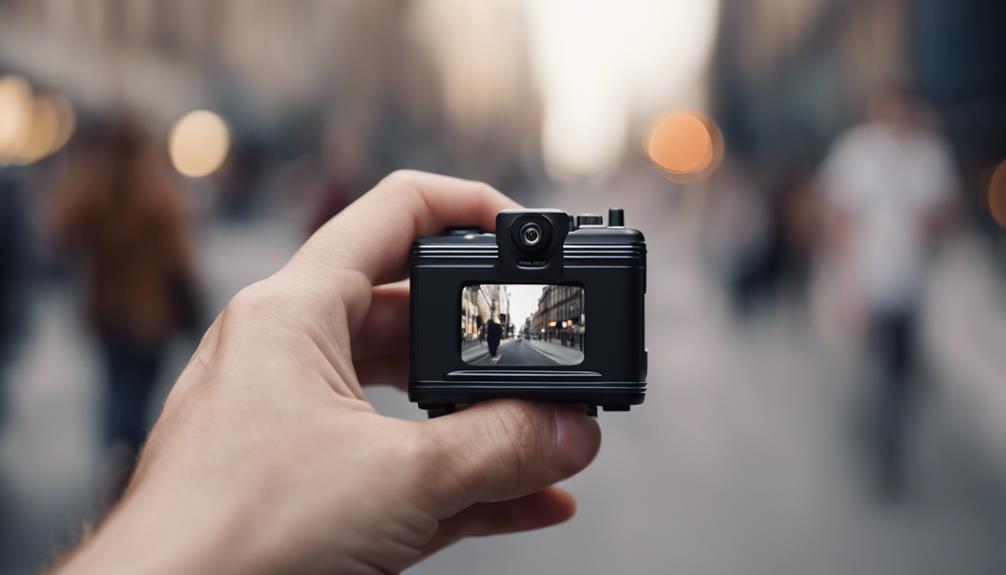

Wearable spy cameras are designed to record video from a body-worn position while remaining small and unobtrusive. Their distinctiveness comes from combining portability with a form that can blend into clothing or an everyday accessory. That combination may be useful for documenting events, improving personal safety, or monitoring a situation where a conventional camera would be impractical.
However, discreet recording also creates serious privacy and legal concerns. A wearable camera should be used only for a legitimate purpose, with careful attention to consent, local recording laws, and the expectations of people nearby.
What Makes a Wearable Spy Camera Distinctive?
The main difference between a wearable camera and a standard handheld device is how naturally it can be carried during everyday activity. A body-worn design leaves the user’s hands free and can provide a consistent viewpoint while walking, working, or responding to an incident.
Useful design characteristics may include:
- A compact body that is comfortable to wear for extended periods
- A clip, mount, or other attachment method that keeps the camera stable
- A neutral appearance that does not interfere with ordinary clothing or equipment
- Simple controls that can be operated without removing the device
- Storage and battery capacity appropriate for the intended recording period
Small size is valuable, but it should not be the only consideration. A camera that is difficult to position, uncomfortable, or easily knocked out of alignment may produce footage that is less useful than expected.
Potential Uses for Body-Worn Recording
Wearable cameras can support several legitimate forms of documentation. For example, a person may want to record an interaction for personal safety, document the condition of property, or preserve a visual record of an event. In professional settings, a body-worn camera may also help create an account of activities when recording is permitted and those involved understand how the device is being used.
The most appropriate use depends on the setting and the people affected. Recording in an open public environment is not automatically lawful everywhere, and a private conversation or sensitive location may require a higher level of care. Before recording, consider whether the footage is genuinely necessary and whether everyone who may be captured has been informed.
Integration With Clothing and Accessories
Some wearable cameras are designed to attach to clothing, bags, or equipment rather than being held in the hand. This can make the device more practical during movement and reduce the chance of accidental drops. A stable attachment also helps maintain a clear, consistent view.
Although the ability to blend with ordinary items is part of the appeal, concealment should not be treated as permission to record people secretly. Avoid placing a camera where it could capture private activities, confidential conversations, or sensitive personal information without consent. The device’s form factor should serve convenience and safety, not the evasion of reasonable privacy expectations.
Features That May Support Personal Safety
Depending on the device, wearable cameras may include features such as motion detection or night vision. Motion detection can begin recording when movement is identified, which may be useful when the wearer cannot operate the camera manually. Night vision can assist with recording in low-light conditions, although the resulting footage still depends on the surroundings and the camera’s capabilities.
Other practical questions deserve attention before choosing a device:
- How clearly does it record in the lighting conditions where it will be used?
- How much footage can it store, and how is that footage transferred?
- Can recordings be protected from unauthorized access?
- Is audio recorded, and are additional rules applicable to audio capture?
- Can the camera be identified easily when disclosure is required?
Privacy, Consent, and Legal Responsibility
The most important issue surrounding a wearable spy camera is not its size or technical features, but how it affects other people. Recording someone without their knowledge may violate privacy rights or recording laws, particularly in private spaces and conversations. Rules can vary by location, so relying on assumptions about what is allowed can create significant problems.
Responsible use generally means having a clear purpose, limiting recording to what is necessary, notifying people when appropriate, and avoiding areas where privacy is expected. Footage should also be stored securely, shared only with authorized people, and deleted when it is no longer needed. If a recording may be used as evidence, preserving its original form and documenting how it was obtained can be important.
Choosing a Responsible Approach
A wearable spy camera can be distinctive because it is portable, discreet, and capable of supporting hands-free documentation. Features such as compact construction, secure mounting, motion detection, and low-light recording may make it useful in appropriate circumstances. Yet the same discreet qualities can create risks when people are recorded without meaningful consent.
The best approach is to treat the camera as a documentation tool rather than an invitation to conduct secret surveillance. A legitimate purpose, respect for privacy, compliance with applicable law, and careful handling of recordings should guide every use.