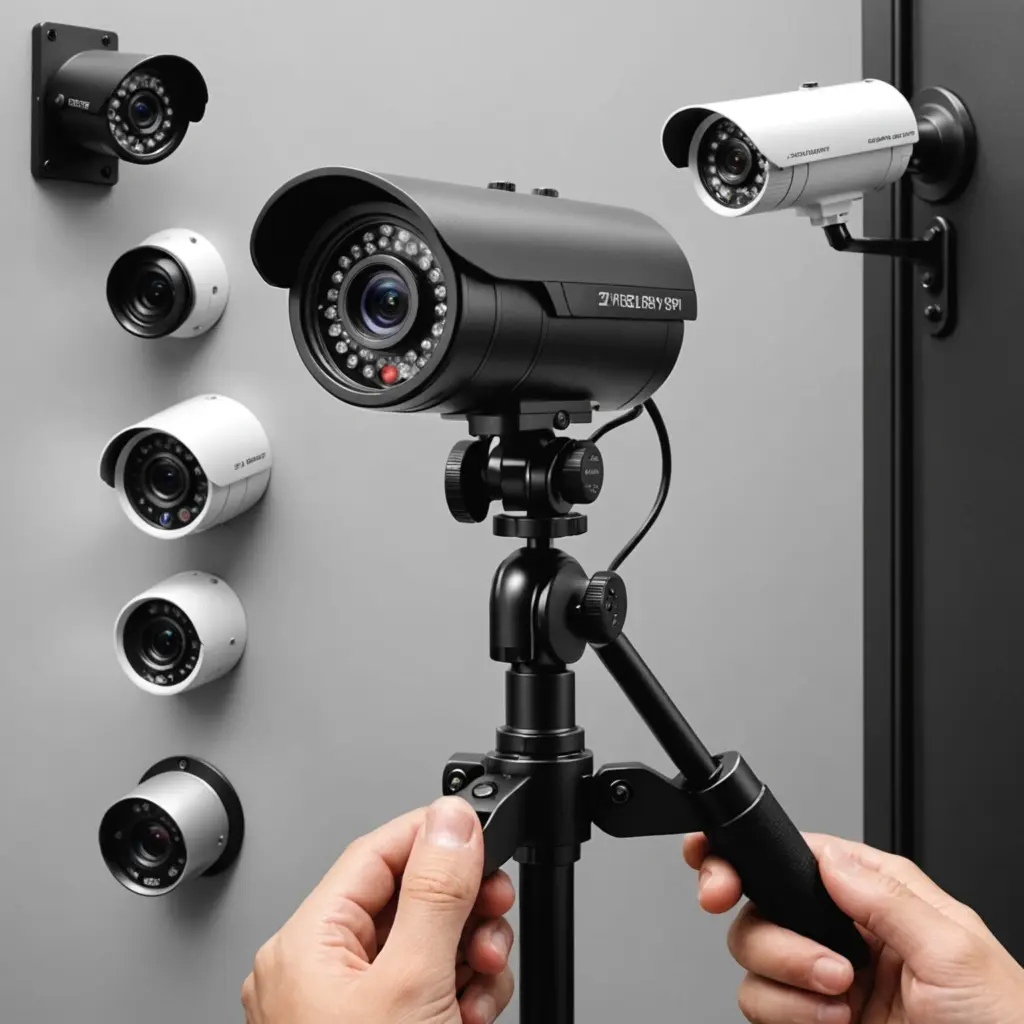

Wired hidden cameras can provide dependable surveillance without relying entirely on rechargeable batteries. Their compact form makes them suitable for monitoring property, entrances, work areas, or other permitted locations where a less noticeable camera is preferred. Before choosing one, consider power requirements, image quality, lighting conditions, storage, connectivity, and the privacy rules that apply where you live.
The following seven camera types represent different features and use cases. They should only be installed in places where surveillance is lawful and where people do not have a reasonable expectation of privacy.
1. Wired Mini Camera
A wired mini camera is a practical starting point when stable power and a small footprint are priorities. Because it remains connected to a power source, it can be useful for monitoring a location for longer periods than a battery-powered device.
When comparing models, review the supported resolution, frame rate, low-light performance, and motion-detection options. The mounting position also matters: the camera should have a clear view and be secured safely without creating a trip hazard or interfering with electrical equipment.
2. Night-Vision Spy Camera
A night-vision camera is designed for locations that are poorly lit after dark. It can help maintain visibility when ordinary video would lose detail, making it suitable for areas such as permitted entryways, storage spaces, or covered outdoor locations.
Look closely at the camera’s low-light performance rather than assuming that every night-vision model produces the same results. Position it so that its view is not blocked by walls, furniture, or reflective surfaces. If remote viewing is supported, confirm that the connection and account controls are adequately protected.
3. Motion-Activated Camera
A motion-activated surveillance device begins recording when movement is detected instead of capturing video continuously. This can reduce unnecessary footage and make important events easier to locate later.
Motion activation is especially useful for monitoring a defined area, but placement and sensitivity require attention. A camera pointed toward busy roads, moving curtains, or changing light may generate unwanted recordings. Test the detection area and confirm how footage is stored before relying on the device for security monitoring.
4. HD Covert Security Camera
An HD covert security camera focuses on producing clearer video while maintaining a discreet appearance. Higher-quality footage can make it easier to identify activity within the camera’s field of view, provided the lighting and positioning are suitable.
Depending on the model, useful features may include motion detection, night vision, or remote viewing. Choose features that match the location rather than paying for options that will not be used. The camera should be installed openly enough to comply with applicable rules and never used to monitor private spaces such as bathrooms or bedrooms without clear legal authority and consent.
5. Wi-Fi-Enabled Hidden Camera with Wired Power
A camera can use a wired power connection while sending video over Wi-Fi. This arrangement may offer more consistent power than a battery while allowing live viewing from a connected computer or smartphone.
Wireless connectivity also introduces security responsibilities. Use a strong, unique password, secure the associated account, and enable available protection features. Check the reliability of the Wi-Fi signal at the installation point, since an unstable connection can interrupt live viewing or prevent footage from reaching its intended storage location.
6. Audio-Recording Camera
Audio recording is legally more sensitive than video in many places. Consent requirements can vary by jurisdiction, and recording conversations without the required permission may violate privacy or surveillance laws.
Before enabling audio, research the rules that apply to the specific location and purpose. If recording is not clearly lawful, disable the microphone or choose a video-only device. Never use audio surveillance to intrude on private conversations, and make sure any permitted recording is stored and accessed responsibly.
7. Wide-Angle Nanny Camera
A wide-angle camera captures a broader view than a standard lens, which can be useful when one device needs to cover a relatively large permitted area. It may be considered for lawful monitoring of children, pets, or property, provided everyone’s privacy rights are respected.
Check the lens coverage, video resolution, storage capacity, and connectivity options. A wide view does not automatically provide detail across the entire image, so test whether important areas remain clear. Remote viewing and continuous recording can be convenient, but they should be secured with appropriate account and access controls.
How to Choose and Use One Responsibly
- Confirm that video and audio surveillance are legal for the location and purpose.
- Avoid private spaces and locations where people reasonably expect privacy.
- Choose stable power, suitable lighting performance, and the required field of view.
- Decide whether motion-triggered or continuous recording is more appropriate.
- Protect Wi-Fi accounts, stored footage, and remote-access credentials.
- Inspect the installation periodically to confirm that the camera, cable, and storage are working safely.
The best wired hidden camera is the one whose power, image, connectivity, and recording features fit the monitoring task without compromising privacy. Legal compliance should come before concealment or convenience, particularly when audio recording or remote access is involved.