
4G spy cameras are designed for situations where remote access, discreet installation, or mobile monitoring is important. Because they use a cellular connection, many models can transmit live video without relying on a nearby Wi-Fi network. The right choice depends on where the camera will be used, how visible it should be, whether night recording is required, and how alerts or recordings will be handled.
Below are ten useful 4G camera types to consider. They represent different designs and features rather than a ranking of specific products.
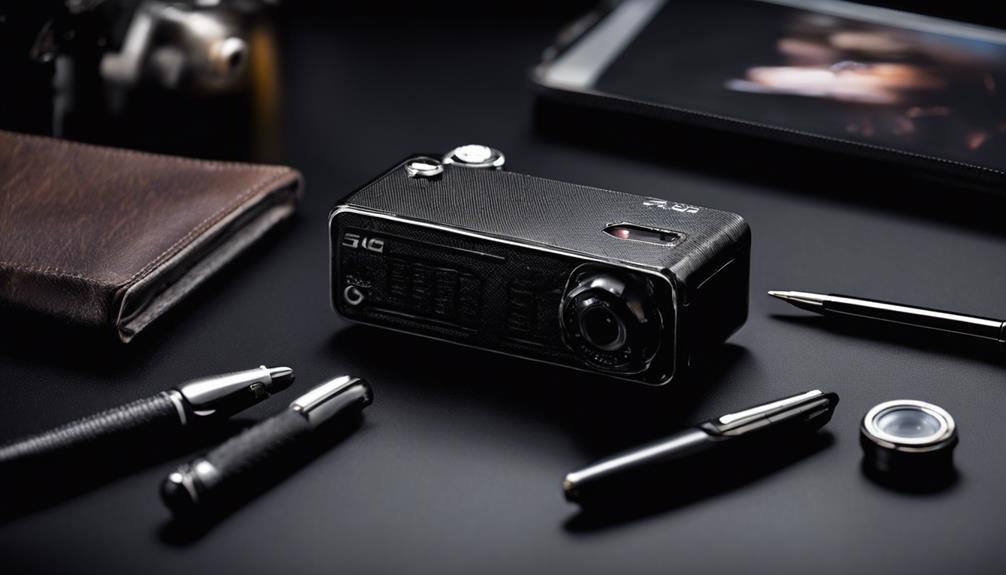
1. Mini 4G Spy Camera
A mini 4G camera combines a compact form with remote viewing. Its small size makes it suitable for discreet placement in a room, office, vehicle, or other monitored area. Many examples include infrared night vision, allowing the camera to capture footage when available light is limited.
2. Wireless 4G Surveillance Camera
A wireless 4G surveillance camera is intended for flexible installation and remote monitoring. Live footage can be viewed through a phone or computer, making this format useful when running a wired connection is inconvenient. Look for clear video, dependable remote access, and an interface that makes it easy to review alerts or recordings.
3. Hidden 4G Security Camera
Hidden cameras are designed to blend into their surroundings and support discreet monitoring. A model with encrypted connections can help protect live feeds from unauthorised access. Before installing one, make sure its use is lawful and appropriate for the location; concealment does not remove privacy obligations.
4. Compact 4G Nanny Cam
A compact 4G nanny cam is intended for monitoring a home or caregiving area while you are away. Remote viewing and real-time notifications can help you check an important space without being physically present. Depending on the model, recordings may be stored on a memory card or through a cloud-based service.
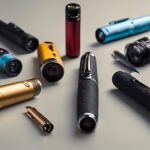
5. Portable 4G Covert Camera
Portable covert cameras are useful when a device needs to be moved between locations. Their compact design and cellular connectivity can support monitoring in homes, offices, vehicles, or temporary setups. Motion alerts are particularly useful when you do not want to watch the live feed continuously.
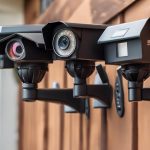
6. Outdoor 4G Monitoring Device
Outdoor monitoring requires a camera designed for changing weather and longer periods of operation. An outdoor 4G device should have a weather-resistant construction and enough battery capacity for the intended deployment. Remote alerts can help you respond when activity is detected at a gate, outbuilding, property boundary, or other exterior area.
7. Night Vision 4G Spy Camera
A night vision model is suited to areas that become dark after sunset. Infrared illumination and low-light recording can improve visibility when ordinary cameras produce unclear footage. Check the camera’s night-time image quality in addition to its daytime resolution, since performance can vary significantly between lighting conditions.
8. Motion-Activated 4G Camera
Motion-activated cameras begin recording or sending alerts when movement is detected. This can reduce unnecessary footage, conserve battery power, and make important events easier to find. Adjustable detection settings are helpful when the camera is placed near roads, trees, pets, or other sources of repeated movement.
9. 4G Body-Worn Camera
A body-worn 4G camera provides mobile monitoring while remaining attached to clothing or equipment. It can transmit video remotely and may include features such as motion detection or night vision. Because body-worn recording can capture people in public or private settings, use it transparently and follow applicable recording and privacy rules.
10. HD 4G Live-Streaming Camera
An HD live-streaming camera is designed for detailed, real-time viewing. Some models also offer remote control of the camera’s position, including pan, tilt, or zoom functions. This can be useful when a fixed viewing angle is not enough and you need to inspect more of the monitored area from a distance.
How to choose the right 4G camera
- Location: Choose a compact indoor design, a body-worn model, or a weather-resistant outdoor camera according to the installation environment.
- Lighting: Select night vision if the area may be poorly lit or monitored after dark.
- Alerts: Motion detection is useful for reducing unnecessary recording and receiving notifications about activity.
- Viewing: Confirm that the camera supports the remote live-view features you need, whether through a phone or computer.
- Storage: Consider whether local memory, cloud storage, or both are appropriate for your recordings.
- Privacy: Use hidden, nanny, and body-worn cameras responsibly, and check local laws before recording other people.
Final considerations
The best 4G spy camera is the one that matches the environment and monitoring goal. Mini and hidden models prioritise discretion, outdoor devices focus on durability, motion-activated cameras help limit unnecessary footage, and HD streaming models emphasise live visibility. Whichever design you choose, secure access to the camera, protect stored recordings, and use surveillance only for legitimate and lawful purposes.