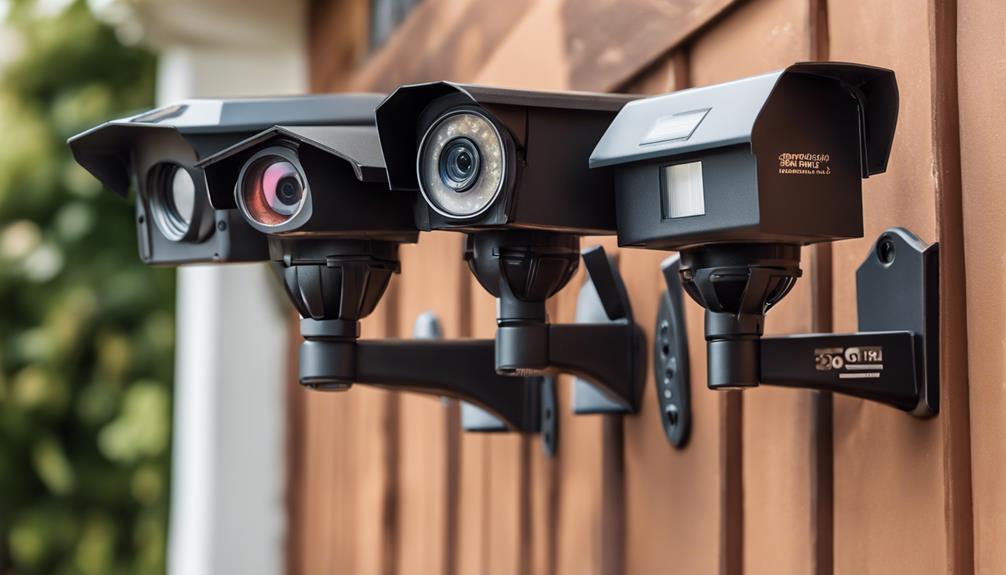

A solar spy camera can provide flexible security monitoring without relying on a permanent wired power connection. By combining solar charging with wireless connectivity, these cameras are useful for watching entrances, driveways, outbuildings, gardens, and other areas where running cable may be inconvenient.
The best choice depends on more than the camera’s appearance. Solar panel performance, image quality, weather resistance, and remote access all affect how useful the system will be in everyday conditions. Here are five important features to compare before choosing a solar-powered security camera.
1. Reliable motion detection
Motion detection helps the camera focus on activity instead of recording continuously. When movement is detected, the camera can capture footage or send an alert, depending on the functions supported by the model.
Look for motion detection that suits the area you plan to monitor. A camera covering a gate or driveway may need a different viewing position from one watching a porch or side passage. Correct placement is important because the camera should have a clear view of the approach without being aimed at unnecessary areas.
2. Weather-resistant construction
Outdoor security equipment must withstand changing environmental conditions. Choose a solar camera made with durable materials and effective sealing so it can continue operating in the location where it is installed.
Check the camera as well as the solar panel and mounting hardware. If any part of the system is exposed, all exposed components should be suitable for outdoor use. A secure mount also helps keep the viewing angle stable during wind or poor weather.
3. Efficient solar charging and wireless operation
A solar camera is only useful when it can maintain its power supply. Compare the solar panel design and the camera’s energy requirements, and install the panel where it receives as much direct sunlight as practical. Heavy shade or an unsuitable position can reduce charging performance.
Wireless operation can simplify installation by reducing the need for power cables and network wiring. However, the camera still needs a dependable connection to the system used for viewing footage. Before installation, consider whether the intended location can communicate reliably with your monitoring device or network.
4. Night vision for low-light monitoring
Security concerns do not stop when daylight fades, so night vision is a key feature for a camera intended to provide continuous coverage. It allows the camera to monitor scenes in low-light conditions and makes the system more useful after dark.
Install the camera with a clear view of the area and avoid positioning it where nearby surfaces or obstructions could interfere with the nighttime image. Test the view after installation, both during the day and at night, to confirm that the important part of the property remains visible.
5. High-resolution footage and remote access
Higher-resolution video can make recorded footage easier to examine by preserving more visible detail. This is particularly helpful when you need to review activity near an entrance, path, or other defined point on the property.
Remote monitoring adds another layer of convenience. A compatible camera may allow you to view a live feed or access recordings using a smartphone or computer. Confirm that the camera works with your preferred viewing platform and that the connection supports the way you intend to use it.
Planning the installation
- Choose a location with strong sunlight for the solar panel.
- Mount the camera securely and keep its view unobstructed.
- Check wireless connectivity before completing the installation.
- Test motion detection, night vision, remote viewing, and recording.
- Use the camera responsibly and avoid pointing it into areas where privacy is expected.
Final considerations
Solar spy cameras can offer a practical alternative to frequently recharged battery cameras or systems that require extensive wiring. When comparing options, give equal attention to motion detection, outdoor durability, solar charging, night vision, image resolution, and remote monitoring.
A carefully selected camera, installed where it receives sufficient sunlight and has a clear view, can provide dependable monitoring for the areas that matter most. Rather than choosing based on one specification alone, consider how the complete system will perform at the exact location you need to protect.