
Spy bulb cameras and regular security cameras can both record activity, but they are designed for different priorities. A spy bulb camera focuses on discreet placement and integrated features, while a conventional camera usually prioritises straightforward installation, visible deterrence, and affordability. The right choice depends on where the camera will be used, the level of detail required, and how you plan to monitor and store recordings.
Design and Placement
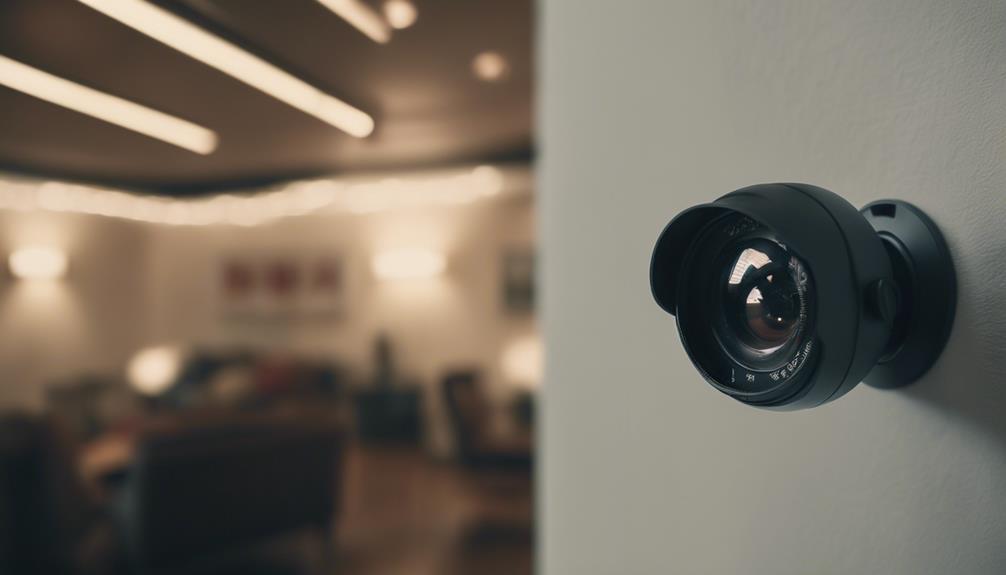
The most obvious difference is the form factor. Spy bulb cameras are made to blend into their surroundings, often using a compact or bulb-style design that attracts less attention than a traditional security camera. This can be useful when a camera needs to fit into a small space or avoid disrupting the appearance of a room.
Regular cameras are generally more recognisable. They may be mounted on a wall, ceiling, shelf, or other visible surface, making their position easier to identify. This visibility can be an advantage when the goal is to discourage unwanted activity rather than simply record it.
Regardless of the design, cameras should only be placed and used with appropriate permission. Recording people in private spaces without their knowledge may violate privacy expectations or local law.
Video Quality and Low-Light Performance
Image quality varies considerably between individual models, so the label “spy bulb camera” does not guarantee a particular resolution. A higher-resolution model can produce sharper footage and preserve more detail, which may make it easier to distinguish people, objects, or activity in the recording.
Low-light performance is another important consideration. If the camera will operate at night or in a dim room, check whether it includes night vision or another low-light mode. A camera with strong daytime resolution may still produce limited results when lighting is poor.
Motion detection can also affect the usefulness of recorded video. Instead of capturing hours of uneventful footage, a motion-enabled camera can begin recording or send an alert when movement is detected. This may reduce storage use and make important events easier to review.
Connectivity and Remote Monitoring
Many spy bulb cameras are built around connected monitoring. Depending on the model, they may allow a user to view a live feed remotely through a smartphone, tablet, or computer. Motion alerts can provide an immediate notification when activity occurs within the camera’s viewing area.
Some models also provide remote video storage, such as cloud storage, while others may rely on local storage. Before choosing a camera, check how footage is saved, how long it can be retained, and whether an ongoing service or account is required.
Regular cameras range from simple local-recording devices to fully connected systems. A basic model may record to a memory card or recorder without remote access, while a more advanced conventional camera can offer many of the same monitoring features as a spy bulb camera.
Power and Installation
Installation depends on the camera’s power design. Battery-powered models can be positioned more flexibly because they do not need to remain near an outlet or wired connection. Their main limitation is maintenance: batteries must be recharged or replaced, and recording behaviour may affect how long a charge lasts.
Hardwired cameras can provide a continuous power supply and may be better suited to permanent monitoring. However, installation can be less flexible and may require access to an existing electrical connection. Before buying, confirm the required power source and whether installation can be completed safely without professional assistance.
Features and Cost
Spy bulb cameras may cost more than basic regular cameras because they combine a discreet design with features such as motion detection, night vision, remote viewing, or two-way audio. The final price can vary according to resolution, storage options, connectivity, and the manufacturer.
Regular cameras are often the more economical choice for basic recording. They may be suitable when visible placement is acceptable and advanced remote features are not necessary. A higher-priced conventional camera can still offer better image quality or durability than a lower-cost discreet model, so comparing specifications is more useful than comparing camera types alone.
Which Camera Is Better for Your Needs?
- Choose a spy bulb camera when discreet placement, remote viewing, and integrated monitoring features are priorities.
- Choose a regular camera when you want a visible deterrent, simple installation, or a lower-cost solution for basic surveillance.
- Compare resolution and night performance if identifying details in recorded footage matters.
- Review power and storage requirements before deciding where and how the camera will be installed.
- Use either type responsibly, with clear attention to consent, privacy, and applicable recording rules.
Spy bulb cameras are not automatically better than regular cameras; they simply emphasise different benefits. A discreet model may suit a carefully chosen, lawful monitoring setup, while a conventional camera may offer better value, easier maintenance, or stronger visual deterrence. Matching the camera’s design and features to the intended location will lead to a more practical choice.