
Spy IP cameras are compact network-connected cameras designed for discreet monitoring. Depending on the model, they may support remote viewing, motion-triggered recording, night vision, two-way communication, or wide-area coverage. The right choice depends on where the camera will be used, what needs to be observed, and whether the device can be installed and operated lawfully.
Before choosing any camera for a private or professional setting, check applicable privacy and recording laws. Do not place cameras in areas where people reasonably expect privacy, and treat audio recording with particular care. In many situations, informing people about surveillance and obtaining consent is the responsible approach.
Types of Spy IP Cameras to Consider
1. Miniature Network Camera
A miniature camera can be useful when a full-size security device would be impractical or visually distracting. When comparing compact models, look at image resolution, viewing angle, network connectivity, storage options, and power requirements. A smaller body should not automatically mean better performance; it may also involve compromises in battery life, heat management, or low-light quality.
2. Motion-Activated Camera
Motion activation helps reduce unnecessary recording by starting a clip when movement is detected. This can make reviewing footage easier and may conserve storage or battery power. Check whether the camera allows sensitivity adjustments and activity zones, since pets, passing vehicles, changing light, or moving curtains can create unwanted alerts.
3. Wireless Home or Nanny Camera
Wireless cameras can provide live viewing through a connected phone, tablet, or computer. They are often used for checking on children, pets, or household spaces, but remote access must be secured carefully. Use strong, unique account credentials, keep the camera software updated when updates are available, and avoid sharing access details unnecessarily.
4. Low-Light or Night-Vision Camera
A camera with infrared or other low-light capabilities can continue recording when visible light is limited. Review the manufacturer’s stated night-vision range and remember that performance depends on the environment. Reflective surfaces, glass, darkness outside the intended area, and nearby light sources can affect the image.
5. Pan-Tilt-Zoom Camera
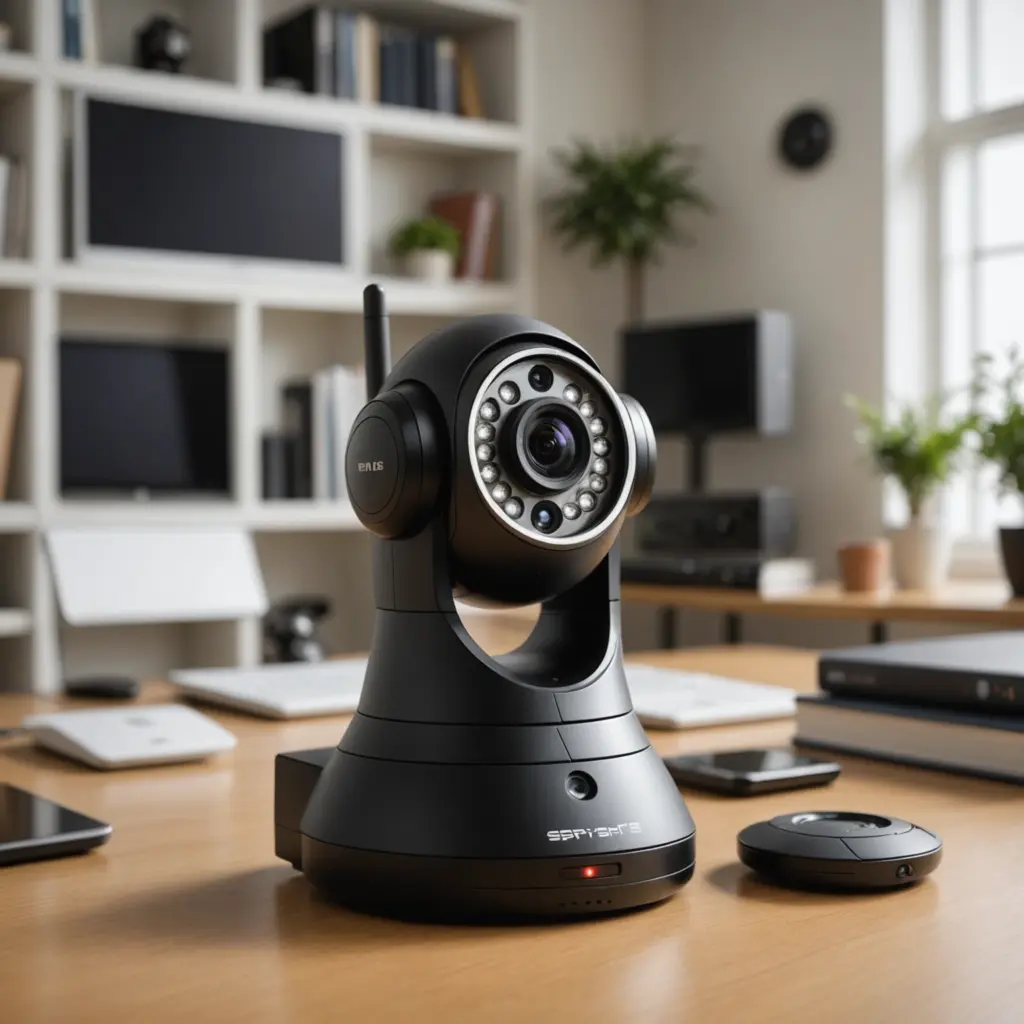
Pan-tilt-zoom, or PTZ, cameras allow the lens to move horizontally and vertically and to magnify part of the scene. They are suited to spaces that need flexible coverage rather than a fixed viewpoint. Preset positions, motion tracking, and remote controls may be available, although features vary between models. Configure movement carefully so the camera does not unintentionally view neighboring property or private areas.
6. Weather-Resistant Outdoor Camera
Outdoor installation requires more than a discreet design. Look for a housing intended for the expected weather conditions, along with suitable mounting and cable protection. Reliable network coverage is also important, especially where walls, distance, or outdoor structures may weaken the connection.
7. Camera with Audio Capability
Some IP cameras include microphones, speakers, sound detection, or two-way communication. Audio can add context to video, but it also creates additional privacy and legal concerns. Disable audio when it is not necessary, and make sure recording or live listening complies with local requirements and the expectations of people in the monitored space.
8. 360-Degree View Camera
A 360-degree camera is designed to cover a broad area from one installation point. This can be helpful in open rooms, entrances, or other spaces where a wide view is more useful than detailed coverage in one direction. Panoramic images may require digital viewing or cropping, so assess whether the resulting detail is adequate for the intended purpose.
9. Solar-Powered IP Camera
Solar-powered models can be considered for locations where running mains power is difficult. Their usefulness depends on sunlight, panel placement, battery capacity, and the frequency of recording. They may be appropriate for remote outdoor monitoring, but network availability remains essential for live access or cloud-connected features.
10. Wearable Body Camera
Wearable cameras support hands-free recording while a person moves through an environment. They may be used for documenting work activities, inspections, or events when permitted. Because a wearable device can record people who are unaware of it, establish clear policies about notification, storage, access, and deletion before using one.
How to Choose the Right Camera
- Purpose: Decide whether you need incident documentation, remote check-ins, outdoor observation, or general security monitoring.
- Power: Compare wired, rechargeable, battery, and solar options with the expected recording schedule.
- Connectivity: Confirm that Wi-Fi or another network connection reaches the installation location.
- Storage: Review local storage, subscription requirements, retention settings, and backup options.
- Security: Look for account protection, encryption features, software support, and clear privacy controls.
- Placement: Aim the camera only at areas relevant to the stated purpose and avoid private spaces.
Final Considerations
A spy IP camera should be selected for its practical features, not simply its size or ability to remain unnoticed. Motion detection, low-light performance, remote access, weather resistance, and power design can all be valuable, but responsible placement and secure operation matter just as much. Use surveillance transparently where required, limit collection to what is necessary, and protect recorded footage from unauthorized access.