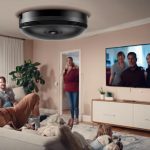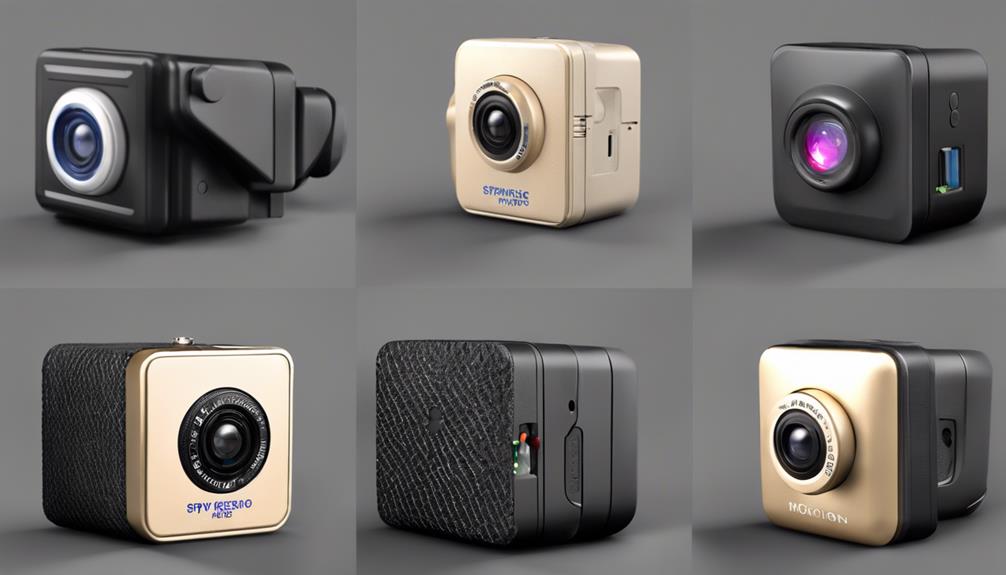

Motion-sensor hidden cameras are often marketed as a discreet way to monitor a room, entrance, vehicle, or personal property. However, the best choice is not necessarily the smallest camera or the one with the longest list of features. Reliable motion detection, secure storage, practical power options, and lawful use all matter when comparing devices.
Because product specifications and availability can change, treat the following as a buying guide rather than a fixed ranking of models. Always verify the current specifications from the manufacturer or retailer before purchasing.
1. Motion detection accuracy
The main benefit of a motion-sensor camera is that it can begin recording when activity is detected instead of recording continuously. This may reduce storage use and make important clips easier to find.
Look for controls that let you adjust detection sensitivity and, where supported, define activity zones. These settings can help reduce alerts caused by curtains, pets, changing light, or passing traffic. A camera that detects every minor movement may become difficult to manage, while one that is too insensitive can miss useful events.
- Adjustable sensitivity levels
- Customisable detection areas
- Configurable alert frequency
- Pre-event or post-event recording, if offered
2. Video, audio, and night performance
Discreet placement does not compensate for footage that is too dark, blurry, or poorly framed. Check the camera’s stated resolution, field of view, low-light performance, and frame rate. A wide viewing angle may cover more of a room, but it can also make distant details harder to identify.
Audio requires particular care. Some cameras record sound, but recording private conversations may be restricted or require consent depending on where the device is used. If audio is unnecessary for your purpose, disabling it can reduce both privacy risks and storage demands.
3. Storage and access to recordings
Motion-triggered clips need a dependable storage method. Common options include removable memory cards, internal storage, a connected recorder, or cloud storage. Each has trade-offs.
- Local storage: Keeps recordings within your premises, but the card or device may be lost, damaged, or removed.
- Cloud storage: Can make remote access convenient, but may involve subscriptions, account security, and third-party data handling.
- Remote access: Useful when checking alerts away from home, provided the account and connection are properly secured.
Before buying, check maximum storage capacity, automatic deletion rules, export options, and whether footage can be viewed without a paid plan. If privacy is important, review how recordings are transmitted and stored rather than assuming that an app or cloud service is secure.
4. Power, placement, and reliability
A compact camera may be easy to position, but small devices often have limited battery capacity. Battery-powered models can be convenient where cables are impractical, while USB-powered models may be better for continuous use. Confirm expected battery life under motion-triggered recording, since frequent alerts can shorten it considerably.
Placement should provide a clear view without obstructing the lens or creating a misleading impression of surveillance. Avoid locations exposed to heat, moisture, or direct sunlight unless the camera is specifically designed for those conditions. Test the detection range and viewing angle after installation instead of relying only on the product description.
5. Privacy, security, and lawful use
A hidden camera should never be used to invade someone’s reasonable expectation of privacy. Bedrooms, bathrooms, changing areas, and similar private spaces are especially sensitive and may be subject to strict legal restrictions. Rules concerning notice, consent, audio recording, landlords, employees, guests, and shared property vary by location.
Use surveillance only for a legitimate, lawful purpose and provide notice or obtain consent when required. Secure any companion app with a unique password and multi-factor authentication if available. Keep firmware updated, restrict account access, and avoid sharing recordings unnecessarily.
A practical way to compare options
When comparing motion-sensor hidden cameras, create a short checklist based on your actual need: the area to be covered, expected lighting, available power, storage preference, and whether remote access is necessary. Give equal weight to privacy protections and reliability, not just discreet appearance.
The most suitable device is one that records useful footage consistently, protects that footage from unauthorised access, and can be operated within the laws and expectations of everyone affected by its use.