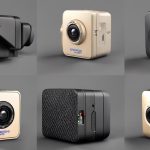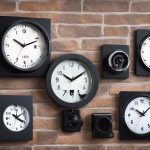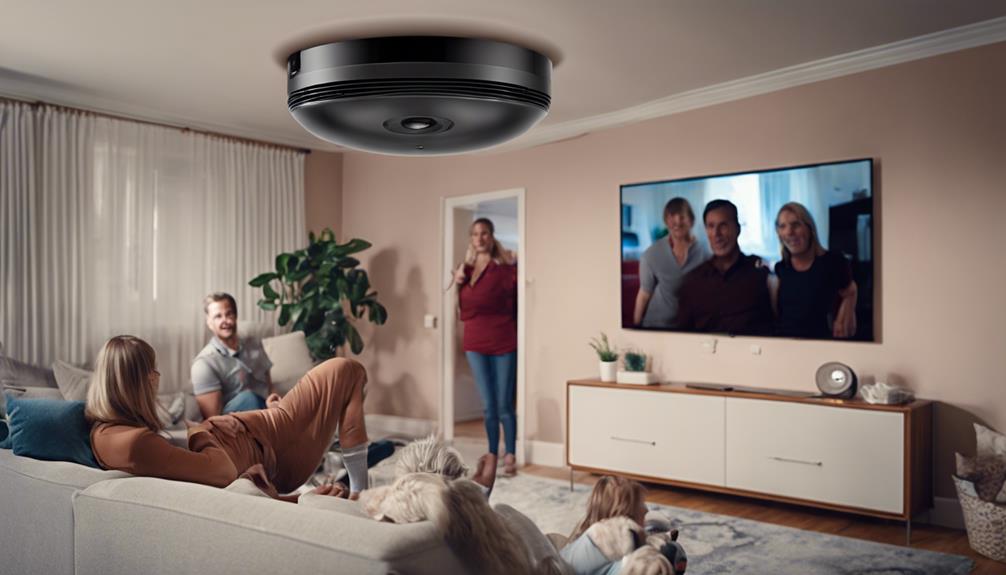

A First Alert smoke detector spy camera is designed to blend into its surroundings while providing a discreet way to observe a room or property. Used carefully, it may support home monitoring, caregiving, pet checks, or business security. However, a concealed camera also creates significant privacy and legal responsibilities.
Before installing or using one, confirm the exact capabilities of your model. Features such as live viewing, motion detection, recording, remote access, video quality, and alerts can vary. Follow the manufacturer’s instructions, and do not treat a camera housing as a substitute for a functioning smoke alarm or other required safety equipment.
1. Plan the monitoring goal
Start by deciding what you need to observe and why. A clearly defined purpose helps determine the best location, viewing angle, recording settings, and access permissions. Avoid placing the camera where it captures more personal activity than necessary.
- Home entryways and common areas for general security checks
- A pet’s usual living area while you are away
- A room used for non-invasive elderly-care check-ins
- Business areas containing equipment, stock, or other valuable assets
2. Use it for common-area home monitoring
In a home, the camera can help you check activity in shared spaces such as a hallway, living room, or entrance area. Remote viewing, if supported by the model and its setup, may make it easier to check on the property while traveling. Keep access limited to trusted users, use strong account credentials, and secure any connected phone or computer.
3. Monitor pets without overreaching
A camera can help you see whether a pet is active, resting, or behaving unusually while you are away. It may also help you confirm that a feeding area, crate, or room remains safe. Video observation is not a replacement for veterinary advice or in-person care, and motion alerts should be treated as notifications to investigate rather than proof that something is wrong.
4. Approach childcare monitoring transparently
If the camera is used to observe a nanny, babysitter, or other caregiver, tell the people being recorded and follow applicable laws. Do not place surveillance equipment in bedrooms, bathrooms, changing areas, or other places where people reasonably expect privacy. A monitoring plan should support child safety without becoming an undisclosed form of personal surveillance.
5. Support elderly-care check-ins
In a shared living area, the camera may help family members check whether an older adult appears safe between visits. Discuss the arrangement with the person being monitored whenever possible, explain who can view recordings, and establish what will happen if an alert or concerning situation occurs. A camera should complement, not replace, caregivers, emergency services, or regular personal contact.
6. Keep an eye on a vacant or vacation property
For an unoccupied property, a camera in an appropriate common area can provide a way to check for unexpected activity. Make sure maintenance workers, cleaners, renters, and guests receive any legally required notice. If the property is rented, review the platform’s surveillance rules before installation and never use a concealed camera to record private spaces.
7. Improve business asset awareness
Businesses may use video monitoring to observe stockrooms, equipment areas, entrances, or other authorized locations. Define who may view recordings, how long footage is retained, and how incidents are documented. Employees and visitors may have notification or consent rights, so obtain appropriate legal and workplace guidance before deployment.
8. Pair video with other security measures
A camera works best as one part of a broader security plan. Consider combining it with door and window locks, access controls, lighting, an alarm system, and regular property checks. Video can help document an event, but it may not prevent an intruder or provide an emergency response by itself.
9. Install and test it carefully
Choose a stable position with a useful field of view and adequate lighting. Check that the lens is not obstructed, the device has reliable power, and remote access works as intended. Test motion alerts and recording settings, then review the footage to confirm that the camera captures only the area you intended to monitor.
10. Protect privacy and recordings
Before use, research the surveillance and recording laws that apply where the camera is installed. Rules may differ for audio, guests, employees, tenants, and people who are not aware they are being recorded. Post notices or obtain consent when required. Store recordings securely, restrict access, delete footage when it is no longer needed, and avoid sharing clips publicly unless you have a legitimate and lawful reason.
Final checklist
- Confirm the model’s actual features and limitations.
- Use the camera only for a specific, legitimate purpose.
- Avoid private spaces and unnecessary coverage.
- Tell affected people about monitoring when required or appropriate.
- Secure accounts, devices, and stored recordings.
- Keep smoke detection and other life-safety equipment fully operational.
Used with clear boundaries and proper notice, a First Alert smoke detector spy camera can be part of a practical monitoring plan. Responsible placement, strong security practices, and respect for privacy are just as important as the camera’s technical features.