
Changing rooms are places where people have a strong expectation of privacy. If something in a fitting room seems unusual, you can carry out a calm, careful inspection before changing. The aim is not to dismantle fixtures or confront anyone, but to notice signs that should be reported to the venue or law enforcement.
Start with a methodical visual check
Pause when you enter and scan the room from top to bottom. Look at the ceiling, walls, floor, furniture, and any objects that appear to have been added or altered. A concealed camera needs a clear view of the area, so pay particular attention to anything facing the changing space.
- Unusual holes, gaps, or dark points in walls, ceilings, or fixtures
- Objects that seem out of place, recently installed, or aimed toward the changing area
- Loose panels, damaged fittings, or signs that something has been moved
- Unexplained wires, power adapters, or small electronic devices
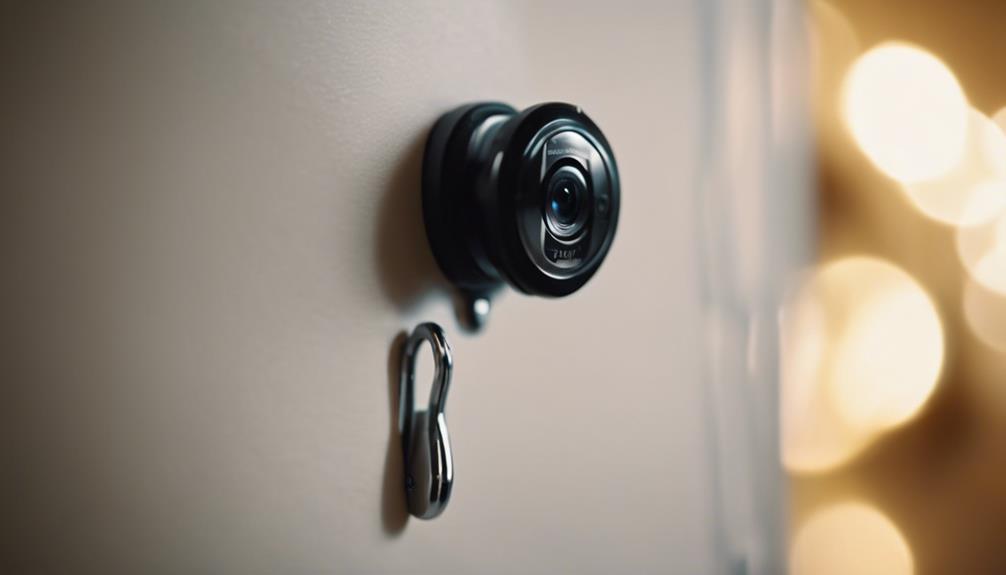
- Decorations, hooks, vents, outlets, or detectors with features that do not seem consistent with the surrounding fixtures
Do not assume that every unfamiliar object is a camera. Many ordinary building fixtures can look suspicious when viewed quickly. Note anything questionable and ask staff to inspect it rather than forcing it open yourself.
Inspect mirrors and reflective surfaces carefully
Examine mirrors for visible damage, gaps around the edges, or unusual fittings behind or beside them. Look at the mirror from several angles and check whether it is securely attached. A reflection that seems strange is not, by itself, proof of a hidden device; lighting, perspective, and the mirror’s construction can all affect what you see.
Avoid pressing hard on, removing, or breaking a mirror. If its installation looks disturbed or there appears to be an opening behind it, leave the room and report the concern.
Use a flashlight for hard-to-see areas
A small flashlight can help you examine corners, vents, shelves, hooks, and the undersides of benches. Shine the beam from different angles and look for a tiny glass lens reflecting the light. This technique may reveal a lens, but it cannot identify every camera, especially one designed to avoid reflections or one hidden inside an ordinary object.
Never insert a flashlight, tool, or hand into an electrical fixture or ventilation opening. A visual check should remain non-invasive and safe.
Understand the limits of detector apps and RF scanners
Wireless-signal scanners and specialist camera detectors can sometimes identify radio transmissions or optical lenses. They are not conclusive tests. A device may miss a camera that records locally, is switched off, uses a different type of transmission, or is overwhelmed by nearby wireless equipment. False alarms are also possible.
Phone applications that claim to detect hidden cameras should be treated cautiously. A detector can supplement a visual inspection, but a “clear” result does not prove that a room is private. If you use specialist equipment, follow its instructions and avoid treating a signal alone as evidence.
Do not rely on red lights
A visible red or blinking light may attract attention, but it is not a dependable indicator. Some cameras have no status light, while ordinary electronics may display red LEDs. Use lights and sounds only as clues alongside other observations, not as a definitive test.
What to do if you find something suspicious
If you see an object that appears to contain a lens, a recording device, or an unexplained opening, stop changing and leave the room if you can do so safely. Do not touch, cover, remove, or destroy the suspected device. If appropriate, take a photograph of the object from outside the private area and record the location, time, and details of what you noticed.
- Tell a manager or responsible member of staff immediately.
- Ask that the area be closed while it is investigated.
- Contact local law enforcement if staff dismiss the concern, the device appears to be recording, or you feel unsafe.
- Preserve relevant messages, receipts, photographs, and other information that may help establish when and where the incident occurred.
Privacy laws differ by location, but recording people in changing areas is treated as a serious matter in many places. If you believe you were recorded, consider contacting a lawyer, victim-support service, or the appropriate privacy authority for advice about reporting and preserving evidence.
Make privacy checks a normal habit
A brief visual inspection is the most accessible first step: look for altered or misplaced objects, inspect reflective surfaces, and use a flashlight without disturbing fixtures. Technology may provide additional clues, but no single method is guaranteed. Trust genuine concerns, prioritize your safety, and report suspicious equipment instead of confronting a suspected installer yourself.