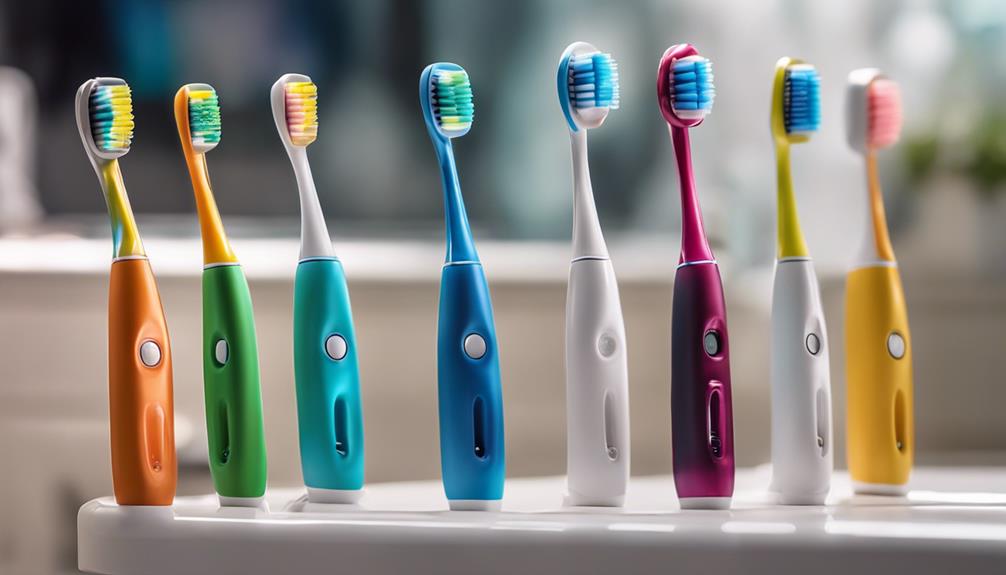

Toothbrush-style cameras are designed to resemble an ordinary bathroom item while recording video through a discreetly positioned lens. The seven types discussed in this guide range from simple, budget-friendly devices to premium models with remote access and more advanced recording features. Because the available functions can differ considerably, the best choice depends on how you plan to use the camera, how much footage you need to store, and whether remote monitoring is important.
Always use any recording device lawfully and respect privacy. Recording people in private spaces without their knowledge or consent may be illegal, and rules vary by location. These products should be used only for legitimate, authorized security or monitoring purposes.
Key Features to Compare
Discreet design and video quality
The main appeal of a toothbrush spy camera is its disguised form. A compact, ordinary-looking housing can make the device less visually obvious than a conventional security camera. However, a discreet exterior should not be the only consideration. Check the stated video resolution, lens position, viewing angle, and whether the camera records sound as well as video.
Higher-definition recording can make details easier to identify, but it may also create larger files and use more storage. If the camera is intended for occasional evidence collection, image clarity may be more important than maximum recording time.
Wireless connectivity and app access
Some models provide wireless connectivity so an authorized user can view a live feed or manage settings from a smartphone or computer. App control can make it easier to start and stop recording, review clips, adjust detection settings, or receive alerts.
Before choosing a connected model, review how it protects stored and transmitted footage. Use strong, unique passwords, secure the associated account, and change any default login details. A camera that works offline may be preferable when remote access is unnecessary or when reducing network exposure is a priority.
Motion detection
Motion detection allows the camera to begin recording or send an alert when movement is detected. This can reduce the amount of empty footage and conserve storage compared with continuous recording. It is particularly useful when the monitored area is quiet for long periods.
Motion sensors are not perfect. Changes in lighting, shadows, pets, or other movement can trigger recordings, while activity outside the detection range may not be captured. Look for adjustable sensitivity or recording-duration settings if those controls are important to your setup.
Night vision and low-light recording
Night vision can extend the camera’s usefulness beyond daylight hours. Infrared illumination is commonly used to record in dark or dim conditions, although the resulting image may appear monochrome rather than full color.
Consider the size of the area that must be covered and whether the camera’s low-light range is sufficient. A small lens and limited infrared output may work for nearby subjects but provide less useful detail farther away.
Loop recording and storage
Loop recording continuously saves new footage by replacing the oldest files when available storage is full. This is convenient when the camera needs to remain ready for use without frequent manual deletion.
Storage capacity still matters. Larger memory cards or internal storage can preserve more footage, while high-definition video generally fills storage faster. If a recording may be needed later, transfer important clips before they are overwritten. Check compatibility requirements before purchasing a memory card, since supported capacities and formats may vary.
Battery life and installation
Battery performance affects how practical a discreet camera is for extended monitoring. A longer-lasting battery means fewer interruptions, but actual operating time can depend on resolution, wireless use, motion detection, and night vision.
Easy installation is another advantage. A model with clear instructions, simple controls, and minimal configuration can be ready more quickly than one requiring multiple network or software settings. Confirm how the device is charged and whether it can record while connected to power if continuous operation is required.
Understanding the Price Tiers
Budget models
Entry-level toothbrush cameras generally focus on basic recording. They may offer standard or high-definition video, motion detection, and loop recording without extensive app features. These models can suit occasional, authorized monitoring where the priority is keeping costs low.
Mid-range models
Mid-range options may combine improved video quality with wireless access, night vision, longer battery life, or more flexible storage. They offer a balance between convenience and cost for users who need more than simple local recording.
Premium models
Premium devices typically emphasize remote access, stronger control over recording modes, expanded storage options, and more advanced privacy or security settings. They may be better suited to users who need regular monitoring and detailed footage, although additional features can make setup more complicated.
The supplied information describes these categories but does not provide verified prices for each of the seven cameras. Treat any price as dependent on the specific seller, configuration, storage options, and included accessories rather than assuming that every model in a category costs the same.
How to Choose
- Choose basic local recording if affordability and simplicity matter most.
- Choose motion detection to reduce unnecessary footage and storage use.
- Choose night vision when recording may take place in low-light conditions.
- Choose wireless app access only when remote monitoring is genuinely needed.
- Check battery performance, storage compatibility, and installation requirements before buying.
- Confirm that your intended use complies with privacy and recording laws.
In short, toothbrush spy cameras differ less by appearance than by the recording, connectivity, storage, and power features inside them. Comparing those practical specifications—and using the device responsibly—will help you select the most appropriate option for your authorized monitoring needs.