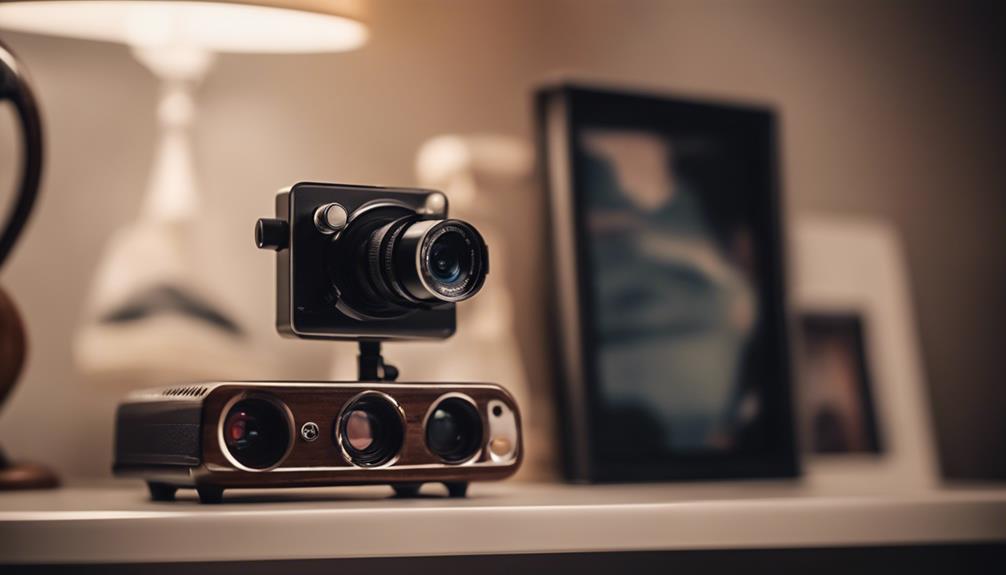

A bedroom is a private space, so any camera used there should be installed openly, secured carefully, and operated only for a legitimate purpose. Do not use a hidden camera to record a partner, guest, roommate, or anyone else without their knowledge and any consent required by local law. If you need security monitoring, choose a visible camera and make sure everyone who may be recorded understands when it is active.
Start with the Purpose and the Rules
Before buying or installing a camera, define what you actually need to monitor. You may want to check on the room while you are away, protect personal property, or receive an alert when unexpected movement occurs. A camera should not be used to monitor private activity or areas where another person reasonably expects privacy.
Surveillance and audio-recording rules vary by location. Audio can be subject to stricter consent requirements than video, and recording another person without permission may be unlawful. Check the rules that apply where you live and obtain informed consent when appropriate. If consent cannot be obtained, do not record.
Choose a Suitable Camera
Select a model designed for straightforward, secure home monitoring rather than covert surveillance. Consider the following features:
- Adjustable video quality: Clear footage is useful for identifying activity, but the highest setting may use more storage and bandwidth.
- Motion notifications: Alerts can reduce the need for continuous recording and help conserve storage.
- Local or encrypted storage: Review how recordings are stored, transmitted, and deleted before connecting the camera.
- Physical privacy controls: A lens cover, shutter, or recording indicator makes it easier to disable the camera when monitoring is not appropriate.
- Reliable power: Choose a safe location near an outlet, or follow the manufacturer’s instructions for battery operation.
Place the Camera Openly and Carefully
Install the camera in a clearly visible position rather than hiding it inside furniture, decorations, electronics, or everyday objects. A visible placement supports informed consent and makes it easier to verify that the device has not been tampered with.
Choose an angle that covers only the area necessary for your stated purpose. Keep bathrooms, changing areas, and neighboring rooms outside the frame. Avoid pointing the lens directly at a bed if a narrower view of a doorway or entry point will meet your security needs. Check the image in daylight and at night to make sure glare, backlighting, or shadows do not block the intended view.
Secure the camera and its cable so it cannot fall, overheat, or become a trip hazard. Do not place equipment where it could be reached by children or damaged by moisture. Follow the manufacturer’s mounting and ventilation instructions.
Configure Monitoring Without Over-Collecting
Install the official app or software from a trusted source and follow the manufacturer’s setup instructions. Use motion zones to limit alerts to a doorway or other relevant area, and turn off features you do not need. If continuous recording is unnecessary, use event-based recording or a schedule that limits monitoring to times when the room is unoccupied.
Set a short retention period and delete recordings that are no longer needed. Avoid sharing footage through unsecured messaging services or storing it indefinitely. If other people have legitimate access to the system, give each person an individual account rather than sharing one password.
Protect the Camera and Recordings
- Create a long, unique password for the camera account and enable multi-factor authentication if available.
- Use encryption and secure connections whenever those options are provided.
- Install firmware and app updates from the manufacturer promptly.
- Change default login details before using the camera.
- Review account access, connected devices, and notification settings regularly.
- Disable remote viewing if you do not need access while away from home.
Review Privacy Regularly
Test the camera’s field of view, recording indicator, alerts, and privacy controls after installation and whenever the room layout changes. Tell household members and guests how the camera works, when it records, and how they can request that it be disabled when appropriate.
A bedroom camera should provide limited, transparent security—not covert observation. If your goal cannot be met without hiding the device or recording people without their knowledge, choose a different safety measure, such as a door sensor, alarm, or visible camera aimed only at an entry point.