
Night vision can make a camera useful after dark, but the best choice depends on where it will be used, how much of an area it needs to cover, and whether you need continuous recording or alerts when activity occurs. The seven camera types below represent different approaches to low-light monitoring, from compact indoor devices to weather-resistant outdoor systems.
Use any camera responsibly. Recording people without their knowledge may be restricted by privacy and surveillance laws, especially in private spaces, workplaces, rental properties, or areas where audio is captured. Obtain consent where required and position cameras only in places where monitoring is lawful.
1. Compact Mini Spy Camera
A compact mini camera is designed for situations where a small footprint matters. Its size makes it easier to place on a shelf, inside an approved monitoring area, or among ordinary objects without taking up much space.
When evaluating one, look beyond physical size. Useful features may include motion detection, night vision, high-definition recording, and local storage. A very small camera may have limitations in battery life, viewing angle, or low-light range, so check those specifications before choosing it for ongoing monitoring.
2. Wireless Hidden Camera Clock
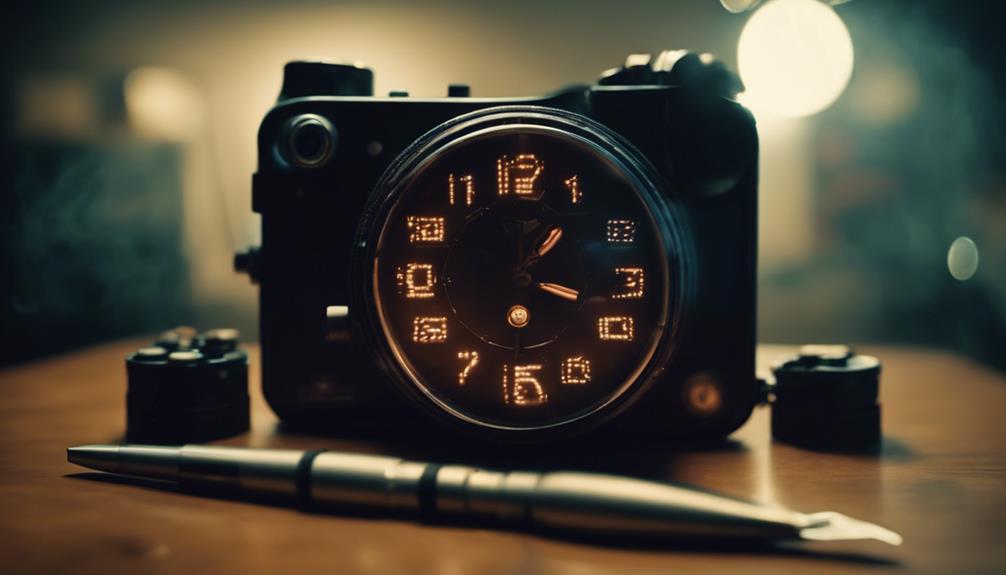
A camera clock combines a familiar household object with a fixed viewing position. It can be suitable for monitoring an entryway or room when placed openly in a location where surveillance is permitted.
Wireless connectivity may allow live viewing or access to recordings through a phone or computer. Placement is especially important: the clock should have a clear view, a stable power source if needed, and a position that does not create excessive glare or obstructions. Confirm how recordings are stored and whether the device remains operational if the network connection is interrupted.
3. Outdoor Security Camera System
For driveways, entrances, gardens, or other exterior areas, an outdoor security camera system is generally more appropriate than an indoor mini camera. Weather-resistant construction helps the equipment operate in changing outdoor conditions.
Look for night vision, motion alerts, remote access, and two-way audio if communication is important. A multi-camera system can cover several approaches to a property, while a single camera may be simpler to install and maintain. Outdoor cameras should be aimed at your own property as far as possible, avoiding unnecessary recording of neighbours or public areas.
4. Motion-Activated Night-Vision Camera
Motion activation can reduce unnecessary recording by starting video when movement is detected. This makes footage easier to review and may conserve storage space compared with continuous recording.
Adjustable sensitivity is valuable because excessive sensitivity can trigger alerts from pets, moving branches, or changing light. Before relying on the camera, test its detection area at night and check whether the night-vision image is clear at the distance you need. Motion recording is useful for entrances and stored property, but it may miss events outside the detection zone or activity that does not trigger the sensor.
5. 360-Degree Panoramic Night-Vision Camera
A panoramic camera is intended to monitor a broad area from one mounting point. Its wide field of view can help reduce blind spots in large rooms, open work areas, or other spaces where a conventional camera would cover only one direction.
Night vision and infrared illumination can improve visibility in dark conditions, but coverage should still be tested in the actual installation location. Walls, furniture, reflective surfaces, and the camera’s height can affect the result. A panoramic view may also require compatible software to navigate or review the recorded image efficiently.
6. Wearable Body Camera with Night Vision
A wearable camera is suited to personal documentation when hands-free recording is useful. Its compact form can be attached to clothing or equipment, allowing the camera to move with the wearer rather than remaining fixed in one location.
Important considerations include battery duration, recording controls, storage capacity, and how securely the camera attaches. Night vision may help in dim environments, but users should understand local rules for recording conversations and other people. A wearable camera should not be used to secretly record individuals where consent is legally required.
7. Portable Night-Vision Pen Camera
A pen-style camera is a highly portable option for lawful, consent-based documentation. Its familiar shape makes it easy to carry, while built-in low-light capability may support recording in dim indoor settings.
Because these devices are small, they may have compromises in video quality, battery life, viewing angle, and night-vision distance. Treat the product’s specifications as limits rather than guarantees, and test the controls before use. A portable camera is most useful when convenience matters more than wide coverage or long recording sessions.
How to Choose Among These Camera Types
- For a small indoor area: consider a compact camera or camera clock.
- For property protection: choose an outdoor system with weather resistance and motion alerts.
- For broad coverage: look at a panoramic camera and verify its nighttime field of view.
- For event-based recording: a motion-activated model can simplify footage review.
- For mobile use: a wearable camera or portable pen may be more convenient.
Whichever format you choose, compare night-vision performance, storage, power requirements, detection settings, and privacy controls. The right camera is the one that provides adequate visibility for its intended location while remaining lawful, secure, and practical to operate.