
Battery-operated cameras can be useful when a permanent power connection is impractical or when a less noticeable setup is preferred. The best choice depends on where the camera will be used, how often recording is needed, and whether remote access, sound, motion detection, or low-light recording matters most.
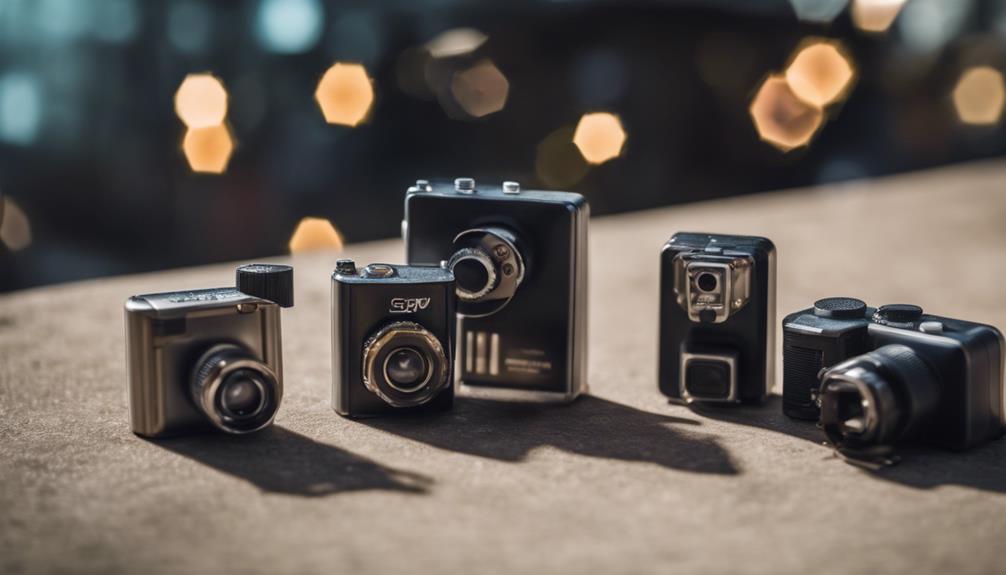
Below are five common types of battery-operated spy cameras and the situations each one is designed to address. Use any recording device responsibly, respect privacy, and check applicable laws before recording people or audio.
1. Miniature Wireless Spy Camera
A miniature wireless camera is designed to occupy very little space and blend into its surroundings. Its compact form can make it suitable for discreet monitoring of a room, entrance, office area, or personal belongings, provided its use is lawful and appropriate.
Wireless connectivity may allow the camera to send a live view or recorded footage to a smartphone or computer. This can be useful when you need to check a location without being physically present. However, wireless operation depends on the camera’s connection method and the network available at the installation site.
- Choose a size and mounting method that suit the intended location.
- Check whether remote viewing requires a specific app or network connection.
- Compare battery runtime with the amount of monitoring you expect to do.
- Confirm how footage is stored and how easily it can be retrieved.
2. Motion-Activated Hidden Camera
A motion-activated camera begins recording when movement is detected rather than recording continuously. This operating mode can reduce unnecessary footage and may help preserve battery power and storage capacity.
It is particularly practical for monitoring an area that remains quiet for long periods but may need attention when someone enters. Motion detection is not infallible, so placement matters: the camera should have a clear view of the area where movement is expected, while avoiding obstructions that could cause missed events or unwanted triggers.
When comparing these cameras, look at the sensitivity and activation settings, the delay before recording begins, and whether clips can be reviewed remotely. A test run can help reveal blind spots and determine whether the camera records enough of an event.
3. Night Vision Covert Camera
Night vision is valuable when monitoring must continue in dim or dark conditions. Cameras with infrared capability use infrared illumination that is generally not visible to the human eye while allowing the camera sensor to produce an image in low light.
Low-light performance varies, so a camera described as having night vision should not automatically be assumed to deliver the same results as another model. Consider the darkness of the location, the camera’s viewing angle, and the level of detail required from the recording.
Night vision can also affect battery consumption. If the camera will operate in darkness for extended periods, review its expected runtime in that mode rather than relying only on a general battery estimate.
4. Portable Nanny Camera with Audio
A portable camera with audio records sound as well as video, providing additional context about activity within its range. This may be useful for authorized home monitoring or checking on a dependent, but audio recording is subject to privacy rules that can differ from rules for video.
Before using this type of camera, determine whether everyone being recorded must be informed or consent to the recording. Also consider the surroundings: background noise, distance from the microphone, and echoes can all affect intelligibility.
- Check microphone quality and the expected pickup range.
- Look for clear controls to disable audio when it is not needed.
- Review how video and audio files are protected and shared.
- Use remote viewing only through a properly secured account and connection.
5. Wearable Body Camera Recorder
A wearable body camera is designed to be carried or attached to clothing while recording from the wearer’s perspective. Its compact design can help document interactions, incidents, or activities without requiring a handheld camera.
Useful considerations include weight, attachment security, field of view, recording controls, and the amount of storage available. A wide-angle lens may capture more of the surrounding scene, while a narrower view may place greater emphasis on what is directly in front of the wearer.
Wearable recording also raises important privacy concerns. Informing people when recording is required, avoiding sensitive private spaces, and storing footage securely are essential parts of responsible use.
How to Choose a Battery-Operated Camera
Start by identifying the main requirement rather than choosing based on appearance alone. For occasional activity, motion activation may be more useful than continuous recording. For dark environments, low-light performance should be a priority. If you need to check footage from another location, confirm the camera’s connectivity and remote-access process.
Battery life, charging time, storage capacity, video quality, ease of setup, and data security all affect the practical value of a camera. Most importantly, use covert or wearable recording devices only for legitimate purposes and in ways that respect applicable privacy and consent requirements.