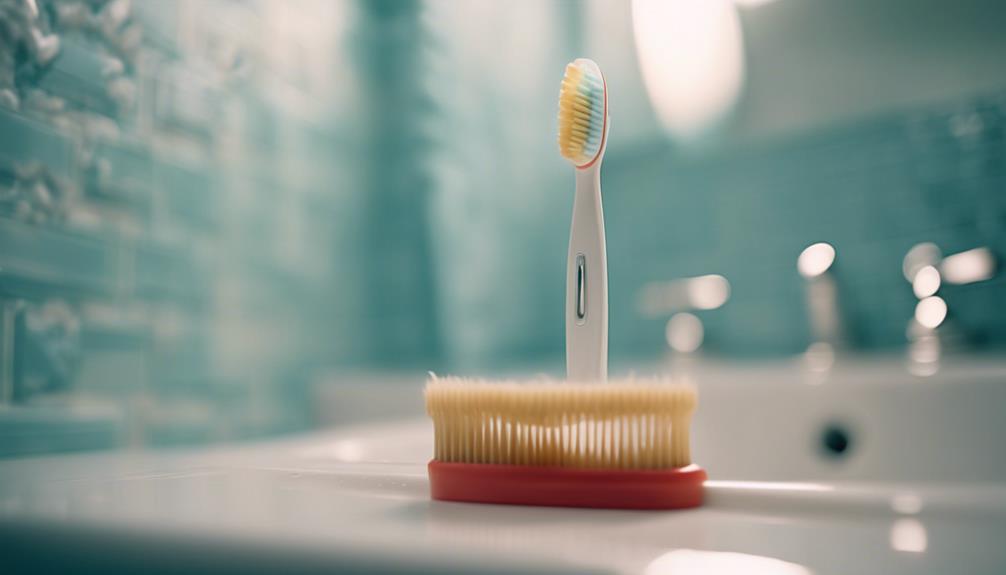

A toothbrush is an unlikely place to find a hidden camera, which is precisely why an ordinary-looking device could be used to conceal surveillance equipment. Toothbrush spy cameras refer to miniature camera systems built into or disguised as toothbrushes and similar personal items. Their small size and familiar appearance may allow them to blend into private spaces, but their use raises serious privacy, ethical, and legal concerns.
How a Camera Can Be Hidden in a Toothbrush
Concealed cameras rely on compact components and careful placement. A lens may be positioned in the toothbrush handle, near the base of the bristles, or behind a small opening designed to resemble part of the product. The remaining electronics—including a battery, storage component, microphone, and control circuitry—must fit inside the available space.
Because a toothbrush has a recognizable shape, unusual additions may be difficult to notice at a glance. A device could look normal while containing a small lens or recording component. In some designs, recording may be activated manually; other systems may be described as supporting motion detection, allowing recording to begin when movement is detected.
Technology Used in Concealed Devices
The technology behind a toothbrush camera is based on miniaturization. A small camera module captures video, while an integrated microphone may record audio. Depending on the design, recordings can be saved within the device or transmitted through a connection feature. The available battery capacity, storage space, lighting, and camera positioning all affect how such a device performs.
Size limitations are important. A very small device may have limited recording time, a restricted viewing angle, or reduced performance in poor lighting. A lens hidden behind a narrow opening may also produce an obstructed or lower-quality image. These practical limitations can help explain why a concealed camera may not resemble a conventional camera in appearance or behavior.
Why Hidden Cameras in Personal Items Are Concerning
A concealed camera placed in a toothbrush or another personal object could be used to monitor an area without making the recording equipment obvious. That possibility is especially concerning when the object is located in a bathroom, bedroom, changing area, or another place where people reasonably expect privacy.
Even when someone claims a security-related purpose, recording people without their knowledge can breach trust and create significant harm. Audio recording can be subject to additional restrictions, and the rules governing surveillance differ by location. A device’s small size does not make its use lawful or acceptable.
How to Inspect a Suspicious Toothbrush
If a toothbrush appears unfamiliar or has been left in a private space without explanation, inspect it cautiously rather than using it. Look for physical features that do not fit the product’s normal design, including:
- A pin-sized opening, dark lens, or reflective surface in the handle or near the bristles
- Unexpected thickness, seams, looseness, or an unusual weight compared with an identical toothbrush
- Unexplained lights, switches, charging contacts, memory-card slots, or other electronic features
- Small gaps or protrusions that appear unrelated to cleaning or ordinary toothbrush construction
- Unusual warmth, sounds, or signs that the object has been modified
These signs are not proof of a hidden camera. Some legitimate electric toothbrushes contain batteries, motors, indicator lights, and charging components, so unusual features may have an ordinary explanation. Compare the item with the manufacturer’s standard design when possible, and avoid dismantling an object if doing so could destroy evidence or create a safety risk.
What to Do If You Suspect Unauthorized Recording
Move away from the suspected device and avoid handling it unnecessarily. If it is safe to do so, document its location and appearance with photographs, and note when it was discovered. Do not publish private recordings or confront someone in a way that could escalate the situation.
Consider contacting the relevant property manager, employer, platform, or law-enforcement agency, depending on where the device was found and the immediate risk involved. A qualified security professional may also be able to examine the item without compromising potential evidence. If you are in immediate danger, contact local emergency services.
Privacy and Legal Considerations
Surveillance laws vary by jurisdiction, particularly regarding recording conversations, filming private areas, obtaining consent, and sharing recorded material. Unauthorized recording in a private setting may lead to civil or criminal consequences. Before installing or using any recording device, obtain informed consent where required and seek qualified legal advice about the rules that apply to your situation.
Understanding how miniature cameras can be disguised helps people recognize potential warning signs, but privacy protection should remain the priority. Treat unexplained personal items with caution, respect the privacy of others, and use lawful, transparent security measures instead of covert surveillance.