
Light fixtures can provide an unobtrusive place for a security camera, but discreet does not mean that surveillance should be secret or used without permission. Anyone considering a camera integrated into a chandelier, bulb, ceiling fan, sconce, or recessed fitting should first review local privacy laws and inform people who may be recorded. Used responsibly, these devices can combine everyday lighting with monitoring for a home or workplace security system.
Common Types of Cameras Built Into Light Fixtures
Chandelier cameras
A camera installed within a chandelier can provide a central view of a room while remaining visually integrated with the fixture. Motion-triggered recording may help reduce unnecessary footage and focus attention on activity in the monitored area. Because chandeliers are often positioned high above the room, installation should account for the camera’s viewing angle, lighting glare, and any areas blocked by decorative elements.
Wi-Fi bulb cameras
Bulb-style cameras are designed to fit into, or resemble, a standard light fitting. Their main appeal is the combination of illumination and network-connected video. Depending on the product, a user may be able to view a live feed or receive alerts through a connected device. Before choosing one, check how recordings are stored, how accounts are protected, and whether the fixture continues to provide suitable lighting.
Ceiling fans with integrated cameras
A ceiling fan with a built-in camera can offer a high, central position for monitoring a room. This arrangement may provide broad coverage, but moving fan blades, vibration, shadows, and changing light levels can affect the image. Installation also involves electrical and structural considerations, so a qualified installer may be appropriate, particularly where the fixture replaces existing wiring.
Sconce light cameras
Wall-mounted sconces can place a camera near entrances, corridors, or other specific areas. Their position may make it easier to monitor a doorway than a ceiling-mounted fixture, although the viewing range can be narrower. Review the intended field of view before installation and avoid aiming the camera at places where people reasonably expect privacy.
Recessed-light cameras
Recessed fixtures can create a low-profile installation in ceilings. They may be useful for monitoring an entryway, hallway, or shared workspace when the camera is clearly disclosed and properly positioned. The installation should follow the manufacturer’s instructions and preserve safe access to electrical components. A concealed lens should never be treated as permission to record people without their knowledge.
Pendant-light cameras
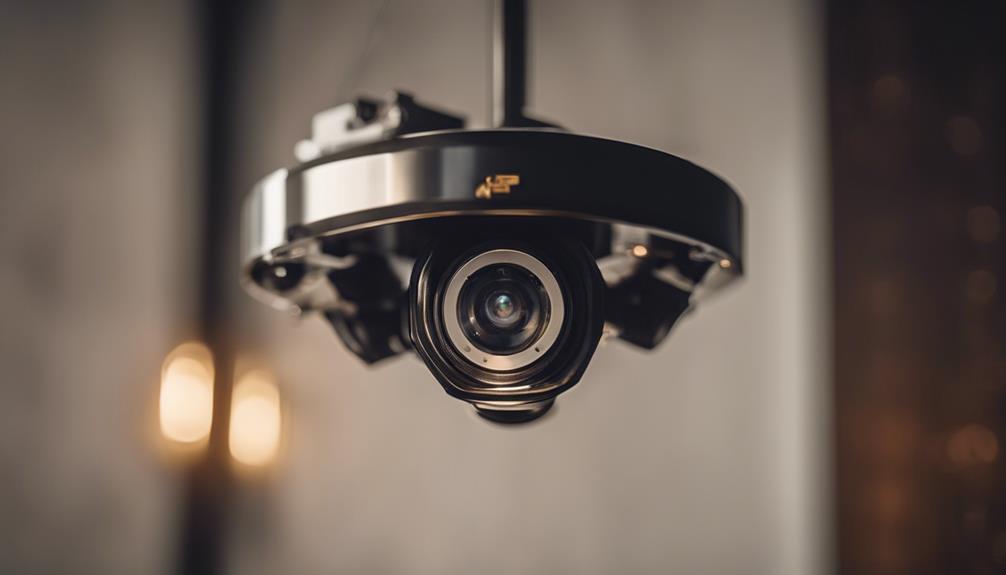
A pendant fixture can combine a decorative light with a camera positioned over a particular area, such as a doorway or seating zone. This style may suit rooms where a conventional camera would be visually distracting. Consider the height of the pendant, the direction of the lens, and whether the fixture creates reflections or obstructs the view.
Track-light cameras
Track lighting offers flexibility because individual heads can be directed toward different parts of a room. A camera integrated into one track fixture may be useful where the layout changes or where several lighting positions already exist. Network-connected models may support remote viewing or alerts, but users should secure accounts, update devices when updates are available, and limit access to authorised people.
What to Check Before Installation
- Privacy rules: Check local requirements for video and audio recording. Audio can involve additional legal restrictions.
- Consent and notice: Tell household members, visitors, employees, or guests when recording may take place.
- Coverage: Confirm that the lens captures the intended area without pointing into bedrooms, bathrooms, neighbouring property, or other private spaces.
- Power and wiring: Make sure the fixture and camera are compatible with the existing electrical installation.
- Data security: Use strong, unique credentials and review how footage is transmitted, stored, deleted, and shared.
- Lighting performance: Check image quality in daylight and at night, along with glare, shadows, and motion blur.
Use Discreet Technology Responsibly
A camera hidden inside a light fixture may be less visually intrusive than a separate security unit, but it still records real people and activity. The safest approach is to use these products for clearly defined security purposes, disclose their presence, restrict the viewing area, and retain footage only as long as necessary. When transparency and lawful installation are treated as essential features, light-fixture cameras can support security without turning ordinary spaces into undisclosed surveillance zones.