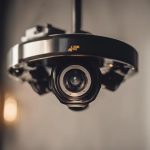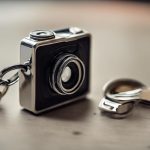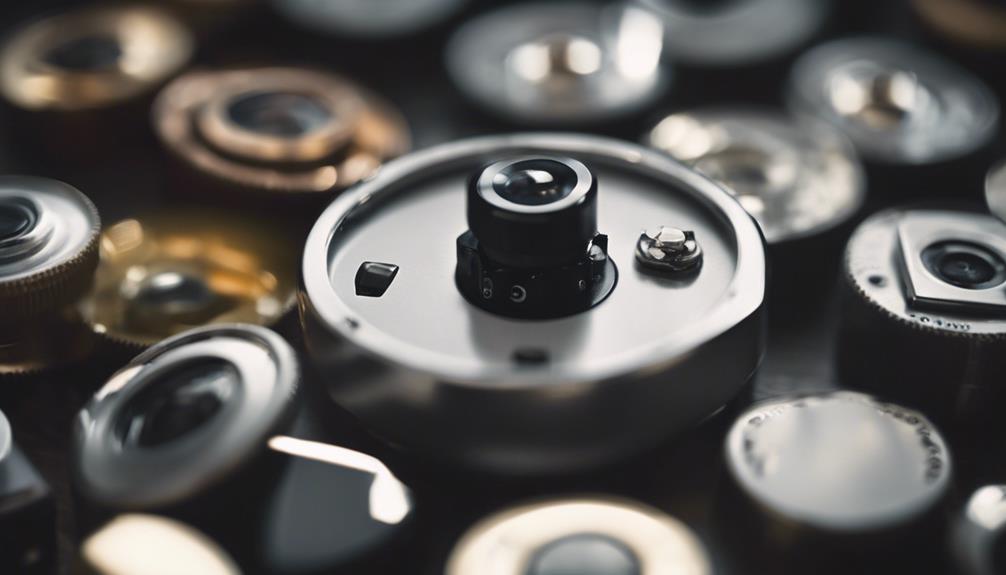

Screw-head spy cameras are designed to blend into fixtures and hardware, making them less noticeable than conventional security cameras. Their small size can be useful when a visible camera would be distracting or impractical, but discreet design does not remove the need for consent, responsible placement, or compliance with local surveillance and recording laws.
Used appropriately, these cameras can help people check on property, understand what happens when they are away, and document incidents. The following are five potential uses, along with important limits to keep in mind.
1. Home security monitoring
A screw-head camera can provide an unobtrusive view of an entryway, hallway, garage, or another area within your property. Depending on the model, it may record locally or support remote viewing through a connected device. This can help you check on your home while travelling or review activity after an unexpected event.
Placement matters. Aim the camera at doors, valuables, or other relevant areas rather than private spaces such as bedrooms or bathrooms. Tell household members and visitors about recording where required, and secure stored footage so that it is not accessible to unauthorised people.
2. Caregiver and family check-ins
Families sometimes use discreet cameras to understand how a child, older adult, or dependent family member is being cared for when they cannot be present. Recorded footage may help confirm routines, identify concerns, or support a constructive conversation with a caregiver.
However, a hidden camera should not be treated as a substitute for clear communication or appropriate supervision. Recording laws can differ depending on where the camera is installed and whether audio is captured. Audio may raise additional legal and ethical concerns, so check the device settings and local requirements before using it.
3. Pet behaviour and routine tracking
A discreet camera can show what a pet does when left alone. You may learn whether an animal rests, eats, plays, vocalises, or appears distressed during the day. This information can help you identify changes in routine and provide more useful observations to a veterinarian or trainer when a problem arises.
Keep the camera focused on shared areas and avoid collecting footage of people without their knowledge. Also remember that a camera only shows behaviour; it cannot diagnose illness or replace professional advice.
4. Monitoring a workspace or business area
In a business, a small camera may be used to protect stock, monitor an entrance, review deliveries, or investigate damage. It can be less visually intrusive than a large visible unit, particularly in a compact office, workshop, or storage area.
Covertly recording employees for general productivity surveillance creates significant privacy and trust concerns. Employers should establish a legitimate purpose, use the least intrusive method available, limit recording to appropriate areas, and provide any notices or disclosures required by law and workplace policy. Cameras should not be installed in changing rooms, restrooms, or other highly private spaces.
5. Documenting an incident
Footage may help document property damage, repeated disturbances, unauthorised access, or another incident. A camera positioned in a lawful location can provide a record that supports an insurance report, a complaint, or a conversation about what happened.
Do not assume that any recording will automatically be accepted as legal evidence. Preserve the original file, avoid editing it, record when and where it was captured, and restrict access to the people who need it. If an incident may lead to legal action, seek advice about lawful recording and evidence handling before relying on the footage.
Before installing a screw-head camera
- Check local rules covering video surveillance, audio recording, tenants, employees, children, and guests.
- Decide whether a visible camera would achieve the same purpose with less privacy risk.
- Choose a narrow field of view and avoid bedrooms, bathrooms, changing areas, and other private locations.
- Disable audio when it is unnecessary, and protect the camera account with a strong password.
- Set a reasonable retention period and delete footage that is no longer needed.
- Tell affected people about the camera whenever consent or notice is required.
Use discretion responsibly
The value of a screw-head spy camera comes from solving a specific monitoring problem without collecting more information than necessary. Home security, caregiving, pet observation, workplace protection, and incident documentation can all be legitimate purposes, but covert recording can also create legal and ethical problems when used to invade privacy. Define the purpose first, choose the least intrusive setup, and make privacy part of the installation plan.