
Battery-powered spy cameras are designed for situations where a conventional security camera would be impractical or too noticeable. Their small size, rechargeable batteries, and flexible placement make them appealing for temporary monitoring, travel, home security, and other legitimate uses. However, features vary widely between camera types, so it is important to compare recording quality, battery performance, storage, connectivity, and ease of installation.
Use any camera responsibly. Recording people without their knowledge may be restricted by privacy and surveillance laws, particularly in private spaces. Before installing a concealed camera, check the rules that apply in your location and obtain consent where required.
1. High-Resolution Mini Camera
A high-resolution mini camera is a practical choice when image detail matters but the device must remain compact. Models advertised with 1080p recording can produce clearer footage than lower-resolution cameras, making it easier to review visible details in suitable lighting.
When comparing mini cameras, look beyond the resolution label. Useful features may include motion detection, infrared or low-light recording, wireless connectivity, and a rechargeable battery. A small body can make placement easier, but it may also mean a smaller battery and shorter recording time. Check whether the camera records continuously or only when movement is detected, and confirm how video files are saved.
2. Long-Battery-Life Pen Camera
Pen-style cameras are intended to resemble an everyday writing instrument, making them portable and less conspicuous than many standalone devices. They may suit users who need a compact camera for short, supervised recording tasks rather than permanent installation.
Battery capacity is the main specification to examine. The legacy guidance recommends looking for around two to three hours of continuous recording, although actual performance depends on resolution, battery condition, storage, and other active features. Motion detection can reduce unnecessary recording and extend practical operating time.
Also review the pen’s controls, charging method, storage capacity, and video format. A device that is difficult to start, stop, or transfer files from may be frustrating even if its battery rating looks good. Use a pen camera only where recording is lawful and appropriate.
3. Wireless Hidden Clock Camera
A clock-style camera can blend into a room more naturally than a loose camera body, while wireless features may allow remote viewing or live streaming through a connected device. This category can be useful for monitoring an area where a visible camera would not fit the intended setup.
Prioritize straightforward installation and a reliable wireless connection. Check whether the camera requires a particular app, network band, or continuous power connection, since “wireless” may describe data transmission rather than battery operation. Remote access also creates security responsibilities: use strong account credentials and keep access limited to authorised users.
A clock should remain functional and suitably placed rather than being installed in a private area. Discreet design should never be treated as permission to record people without their knowledge.
4. Motion-Activated Button Camera
Button-style cameras are small and portable, while motion activation can help conserve battery power and storage by recording only when movement is detected. This makes the format appealing for short monitoring periods where continuous recording is unnecessary.
Before choosing one, compare motion-detection sensitivity, activation delay, video quality, storage capacity, and the expected battery runtime. A camera that begins recording too late may miss important activity, while excessive sensitivity can create many unwanted clips. The compact design may also limit battery size, lens quality, and controls.
Because this type of device can be worn or positioned discreetly, it deserves particular care around consent and local recording rules. It should not be used to secretly record private conversations or people in circumstances where they reasonably expect privacy.
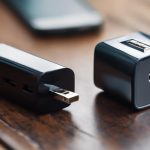
5. Night-Vision USB Charger Camera
A USB-charger-style camera is designed to resemble a familiar charging accessory while offering recording in low-light conditions. Night-vision capability can be valuable in dim rooms, but performance depends on the sensor, infrared illumination, placement, and available power.
Confirm how the device operates before buying. Some charger-style cameras may need a continuous USB power source even if they include limited battery support, so they are not necessarily equivalent to fully battery-powered models. Motion activation can reduce the number of files created and help preserve available power and storage.
How to Compare Battery-Powered Cameras
- Runtime: Compare continuous recording time with motion-activated runtime, and treat advertised figures as estimates.
- Video quality: Consider resolution, low-light performance, audio capabilities, and whether the footage is easy to review.
- Storage: Check supported memory, file limits, loop recording, and how clips are transferred.
- Connectivity: Determine whether wireless monitoring is available and whether the camera can also record without an internet connection.
- Placement: Make sure the camera can be positioned safely without obstructing vents, charging ports, or its lens.
- Privacy: Follow applicable laws, notify people when required, and avoid bedrooms, bathrooms, and other private spaces.
Choosing the Right Type
Choose a mini camera when image detail and portability are the priorities, a pen or button format when compact handling matters, a clock camera when room integration is useful, and a charger-style model when low-light monitoring is important. No single design offers the best battery life, discretion, image quality, and convenience at the same time. Comparing those trade-offs—and using the device lawfully—will help you select a camera that fits the intended monitoring task.