
Spy cameras for cars and other vehicles can provide a discreet record of what happens on the road, in the cabin, or around a parked vehicle. They may help document collisions, vandalism, theft attempts, passenger incidents, and other events that are difficult to explain after the fact. However, the right camera depends on how it will be used, where it will be installed, and which privacy rules apply.
Why use a discreet vehicle camera?
A vehicle camera can provide useful evidence when there are conflicting accounts of an incident. Road-facing footage may help document a collision or dangerous driving, while an interior camera can record activity involving passengers, employees, or unauthorized users. A camera aimed at the vehicle’s exterior may also help capture tampering or damage while the vehicle is parked.
Private vehicle owners, fleet operators, delivery businesses, and professional drivers may all have different reasons for installing a camera. Some want a record for insurance discussions, while others are primarily concerned with driver safety, theft prevention, or monitoring a vehicle when it is left unattended. A camera should be treated as one part of a wider security plan rather than a replacement for sensible parking, vehicle locks, or other protective measures.
Common types of spy cameras for vehicles
Vehicle cameras are available in several designs. The most suitable option depends on whether discreet placement, continuous recording, portability, or ease of access is the main priority.
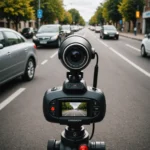
- Compact dash cameras: These are usually mounted near the windshield or dashboard and can record the road ahead. Some models also include an interior-facing lens.
- Interior cameras: These are designed to monitor the cabin and may be useful for documenting passenger activity or incidents involving a driver.
- Small temporary cameras: Battery-powered or magnetic units can be positioned for short-term monitoring, provided they are secure and suitable for the chosen location.
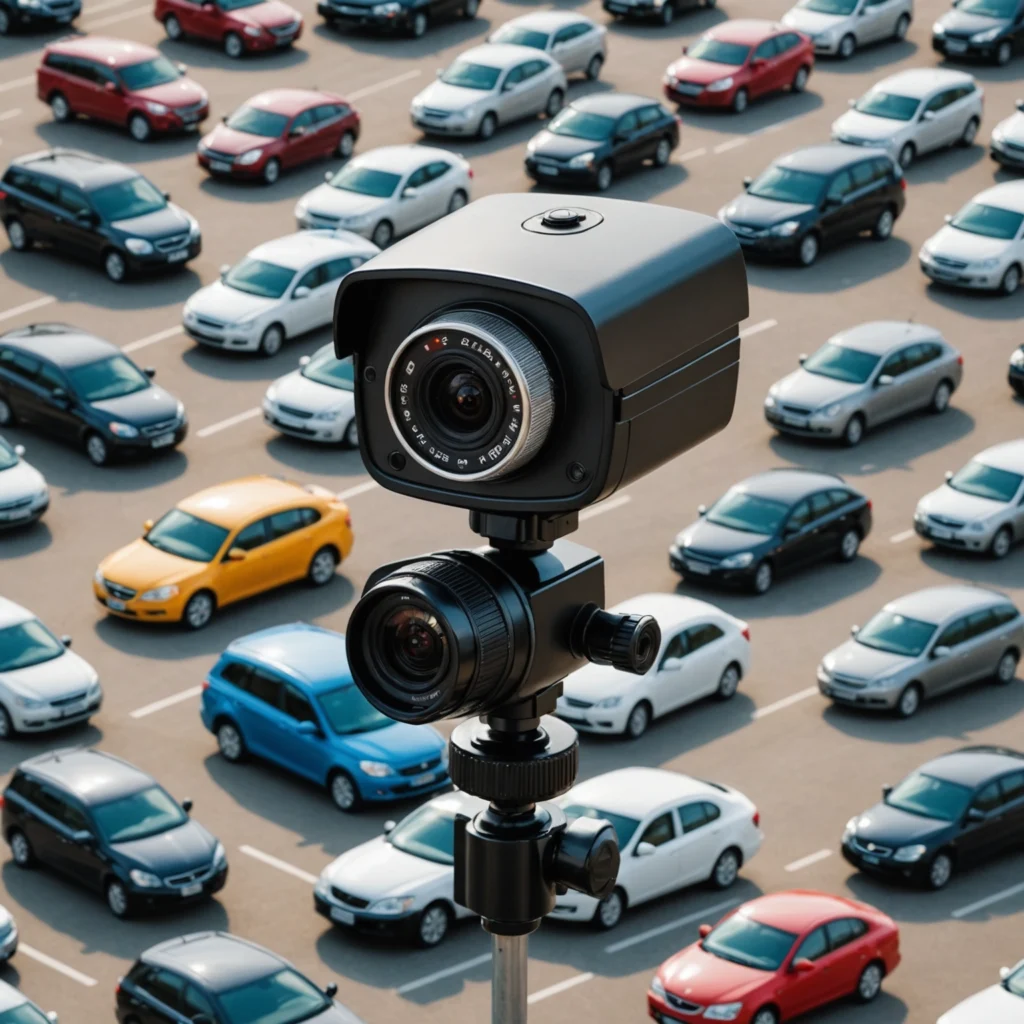
- Exterior cameras: Weather-resistant units can be used to observe areas around a vehicle, such as a loading space or a location vulnerable to tampering.
- Connected cameras: Cameras with wireless connectivity may allow footage to be viewed or transferred through a phone, although connection range, battery use, and security should be considered.
Features worth comparing
Image quality and low-light performance
Clear footage is more useful than footage that is merely recorded. Look for a camera with enough resolution to show relevant details, along with effective low-light performance for nighttime parking areas or dim interiors. A wide-angle lens can cover more of the vehicle, but an extremely wide view may make distant details harder to identify.
Storage and recording modes
Local recording to a memory card is common and can work well for routine use. Loop recording allows the camera to overwrite older files when storage is full. Motion detection may reduce unnecessary recording when the vehicle is parked, but it can also create missed events or false triggers if the sensitivity is poorly adjusted. Check how files are protected after an impact, since important footage should not be overwritten automatically.
Power and durability
Battery-powered cameras are convenient for temporary placement but require regular charging. A 12-volt connection or professionally installed hardwire kit may be more suitable for frequent or continuous use. Hardwiring should be done carefully to avoid draining the vehicle battery or interfering with safety systems.
For exterior placement, choose a housing designed to withstand vibration, temperature changes, and exposure to moisture. A camera mounted inside the cabin may not need the same level of weather protection, but it should still remain stable while the vehicle is moving.
Placement and installation guidance
Mount the camera where it has a clear view without obstructing the driver’s sightline, mirrors, controls, or airbags. Avoid locations where the device could become a projectile during a sudden stop. Interior cameras should be positioned to capture the relevant area without creating an unnecessarily intrusive view of passengers.
Exterior cameras need secure mounting to prevent vibration, accidental loss, or easy removal. Before relying on any camera, test the angle during daylight and at night, then confirm that recordings can be retrieved and played back. Keep the lens clean and inspect mounts, cables, and connectors regularly.
Privacy and legal responsibilities
Recording rules vary by location, and video recording is not always treated the same way as audio recording. Audio may be subject to consent requirements, especially when people inside a vehicle can be clearly heard. Before recording passengers, employees, customers, or members of the public, check the rules that apply where the vehicle operates.
Businesses and fleet operators should consider a clear recording policy explaining what is recorded, why it is recorded, who can access it, and how long files are retained. Avoid placing cameras in areas where people could reasonably expect privacy. Secure stored footage as well, since recordings may contain faces, conversations, vehicle locations, or other personal information.
Maintaining a reliable camera system
- Test recording, playback, and date and time settings periodically.
- Clean the lens and check that the camera has not shifted position.
- Use storage media suitable for repeated recording and replace it when it becomes unreliable.
- Review battery condition and confirm that hardwired systems do not excessively drain the vehicle battery.
- Transfer important footage promptly and keep backup copies in a secure location.
A discreet camera can be useful for documenting vehicle incidents, but its value depends on dependable recording, thoughtful installation, and responsible handling of personal information. Choose equipment based on the actual monitoring task, test it before an incident occurs, and follow applicable privacy and recording requirements.