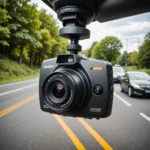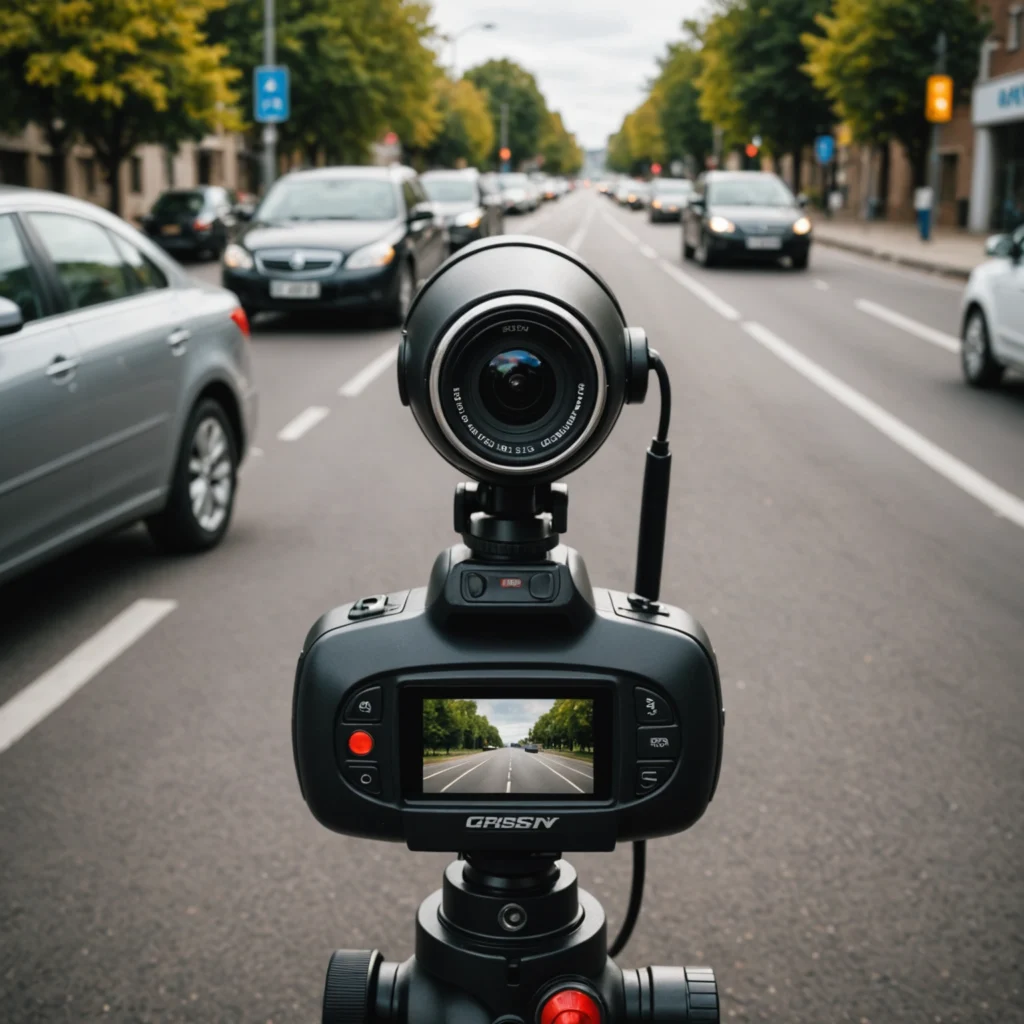

A discreet car camera can help document collisions, hit-and-runs, theft attempts, parking-lot damage, and incidents involving passengers or other drivers. The best choice depends less on appearance alone and more on where the camera will be used, how it will receive power, and how easily you can retrieve reliable footage.
What makes a car camera effective?
A useful vehicle camera should capture clear, properly exposed video without attracting unnecessary attention. Discreet designs can reduce the chance of tampering, but concealment should never obstruct the driver’s view or interfere with vehicle controls.
Prioritise these features when comparing cameras:
- Clear video: 1080p recording is a practical baseline for identifying vehicles, road conditions, and other important details. Higher resolution may provide more detail, but only if the lens and lighting are also adequate.
- Good performance in changing light: Wide dynamic range can help balance bright sunlight and dark areas. Low-light capability is valuable for evening driving and parked-vehicle monitoring.
- Reliable power: Internal batteries suit short recording sessions, while a vehicle power adapter or professionally installed hardwire kit is more suitable for regular use.
- Loop recording: This feature automatically replaces older clips when storage is full, so the camera can continue recording without constant manual management.
- Practical storage: Check the supported memory-card capacity and how easily important clips can be locked or copied before they are overwritten.
- Simple file access: Wi-Fi or a companion app can make it easier to review footage on a phone, although a camera should still provide a dependable way to retrieve files if the app is unavailable.
- Automotive durability: Heat, cold, vibration, and direct sunlight can be demanding on electronics. Look for a device intended for vehicle use rather than a general indoor camera.
Types of discreet car cameras
Mini dash cameras
A small forward-facing camera can be mounted behind or near the rear-view mirror, where it is less noticeable while still providing a useful view of the road. This is often the most straightforward option for recording driving incidents and parking damage.
Mirror-mounted cameras
Some cameras are integrated into or attached near the rear-view mirror. They can offer a less conspicuous installation and may support front and rear recording. Confirm that the design does not reduce mirror visibility or create an unsafe obstruction.
Charger-style cameras
Devices designed to resemble a USB charger or another vehicle accessory may be visually discreet and can receive continuous power from the car. However, their position may produce a limited viewing angle, and their appearance should not be the only reason for choosing them.
Compact interior cameras
A small camera can be placed in an appropriate interior location for targeted monitoring, such as documenting activity in a parked vehicle. Placement requires particular care because passengers may have privacy rights, and audio recording can be legally sensitive.
Choosing the right setup for your vehicle
Start by defining what you need to record. A forward-facing camera is generally suited to road incidents and evidence of a collision. A front-and-rear arrangement can provide broader coverage, while an interior camera is intended for a specific monitoring purpose rather than general driving footage.
Position the lens where it has an unobstructed view and minimal reflection from the windscreen, dashboard, or trim. Behind the rear-view mirror is often a practical location for a front camera, provided the installation complies with local visibility and safety requirements. Test the image during daylight and at night before relying on the system.
For parking surveillance, consider how the camera enters and exits parking mode, how much power it uses, and whether the vehicle battery could be drained. A low-voltage protection system or professional installation may be appropriate for hardwired equipment. Anyone unfamiliar with vehicle electrical systems should seek qualified help rather than guessing at fuse connections.
Storage, evidence, and privacy
When footage may be used for an insurance claim or official report, preserve the original file and note when and where it was recorded. A camera with accurate timestamps and a simple clip-locking function can make this process easier. Copy important files promptly instead of leaving them on a card that continues to loop-record.
Secure the camera and its recordings as carefully as the vehicle itself. Change default passwords, use device authentication where available, and protect phone or cloud access. Keep only footage that serves a legitimate purpose and delete unnecessary recordings according to a sensible retention policy.
Legal considerations
Recording rules vary by location, particularly for audio and footage of passengers or other people. Before installing a discreet camera, check the laws that apply where the vehicle is used. If you are uncertain about audio recording, disabling the microphone may reduce privacy concerns, but it does not replace local legal advice.
A responsible installation should have a clear security purpose, avoid private areas, and avoid recording in a way that creates an unreasonable expectation of secrecy. With suitable placement, dependable power, durable construction, and careful handling of recordings, a discreet car camera can provide useful evidence without compromising safety or privacy.