
Dash cams and spy cameras can both record activity in and around a vehicle, but they are designed for different jobs. A dash cam is primarily an overt road-recording tool, while a spy camera focuses on discreet monitoring, often inside the car. The better choice depends on whether you need evidence of driving incidents, interior security, or a combination of both.
What is a dash cam designed to do?
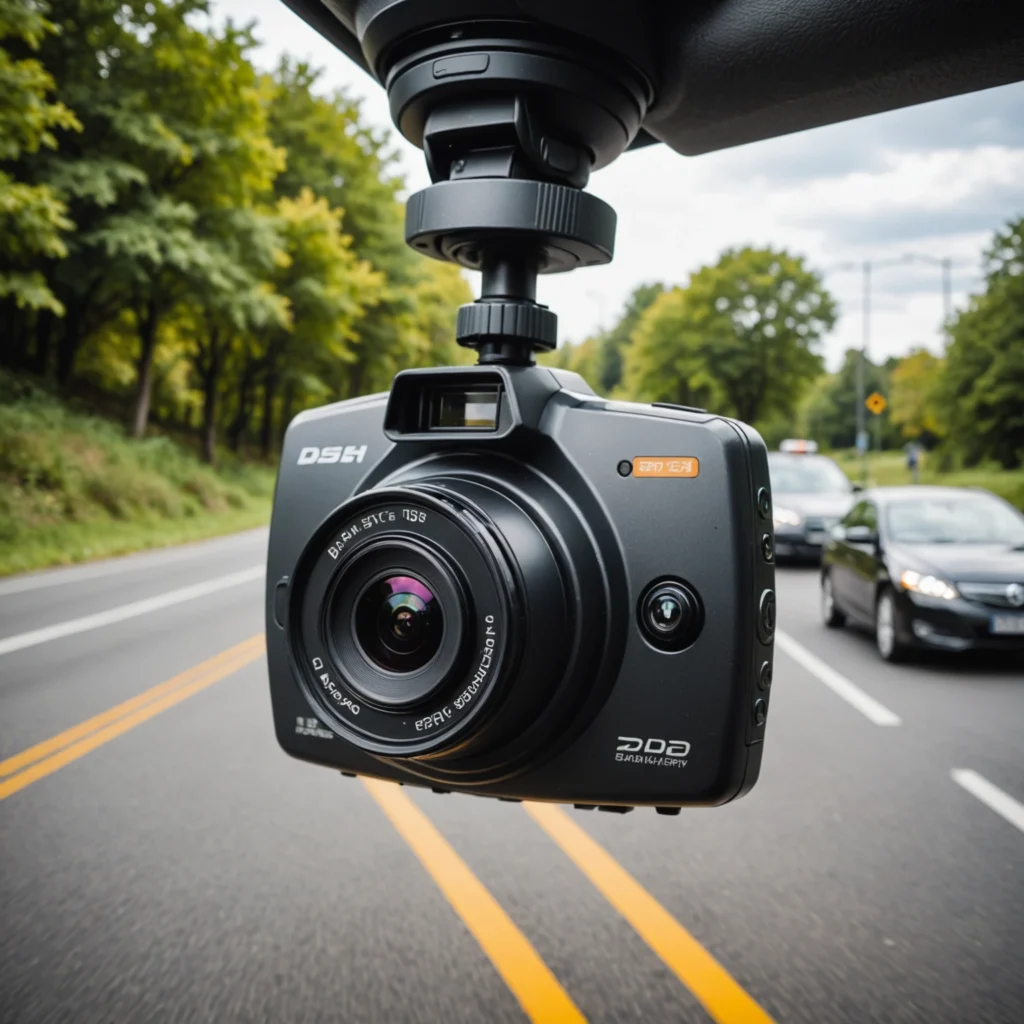
A dash cam is built to document what happens on the road. Most models are mounted behind the rear-view mirror or elsewhere on the windshield, with the lens facing forward. They are commonly used to record collisions, dangerous driving, traffic incidents, and other events that may be difficult to explain afterward.
Dash cams are generally intended for continuous use. Typical features include:
- Loop recording, which replaces older files when storage is full
- A G-sensor that can protect footage when a collision or sudden impact is detected
- A wide-angle lens for a broader view of the road
- High-resolution video for identifying relevant details
- Optional GPS data for recording location and, where supported, speed
- Parking mode for monitoring incidents while the vehicle is unattended
Because they are designed specifically for vehicles, dash cams usually require little daily attention once installed. They can be powered through the vehicle’s outlet or hardwired, particularly when parking-mode recording is needed.
What is a spy camera designed to do?
A spy camera is intended for discreet recording. In a vehicle, it may be used to monitor the cabin, document interior activity, or provide additional security against theft. Its small size and concealed installation are often more important than vehicle-specific features.
Depending on the model, a covert camera may offer motion detection, low-light recording, wireless connectivity, remote viewing, or alerts. These features can be useful when you need to check what is happening inside the vehicle without installing a prominent camera. However, compact designs can involve compromises. A smaller battery may require frequent charging, and limited storage may demand more regular file management unless the camera is connected to continuous power.
Key differences between dash cams and spy cameras
Recording purpose
Choose a dash cam when your priority is documenting the road, collisions, and driving conditions. Choose a spy camera when your priority is discreetly recording the interior or monitoring activity that an outward-facing camera cannot see.
Placement and visibility
Dash cams are normally visible and mounted in a position that provides a clear view through the windshield. Spy cameras are designed to be less noticeable and may be installed in a small standalone housing or integrated into a vehicle accessory. Any placement should leave the driver’s view unobstructed and must not interfere with safe operation.
Power and maintenance
Dash cams are usually better suited to long recording sessions and continuous vehicle use. Spy cameras may depend more heavily on battery capacity, motion activation, or a carefully planned hardwired installation. Before choosing a covert model, consider how often footage will need to be retrieved, the available storage, and whether the device can remain powered when the vehicle is parked.
Evidence quality
For an incident outside the vehicle, a dash cam will generally offer the more suitable view and recording workflow. An interior camera is better positioned to capture activity inside the cabin. Neither device is automatically the right choice for every situation; lens direction, lighting, resolution, storage, and mounting position all affect the usefulness of the footage.
Legal and privacy considerations
Recording inside a vehicle can raise legal and ethical issues, especially when audio is captured. Rules concerning consent, private conversations, employees, passengers, and covert recording vary by jurisdiction. Video recording in a vehicle may also involve different privacy expectations depending on who owns or occupies it.
Before installing either type of camera, check the rules that apply where the vehicle is used. If passengers, staff, or other occupants may be recorded, informing them and obtaining consent where required is the safer approach. Transparent use can also prevent disputes and preserve trust. Do not assume that a camera’s small size or wireless capability makes its use legally acceptable.
How to choose
- Select a dash cam if you mainly need road footage, impact protection, loop recording, or parking surveillance.
- Select a spy camera if discreet interior monitoring is the central requirement and its placement and power needs can be managed responsibly.
- Consider both if you need separate coverage of the road and cabin, provided the combined setup respects privacy and local recording laws.
Whichever device you choose, set the correct date and time, test the recording angle, and review the storage system regularly. Keep important files protected before they are overwritten. If hardwiring is required for parking mode or continuous recording, professional installation can help reduce the risk of electrical problems.
Bottom line
The main difference in the dash cam versus spy camera decision is purpose. A dash cam is the practical choice for visible, continuous documentation of driving events. A spy camera is better suited to discreet interior monitoring, but it may require more careful attention to power, placement, consent, and privacy. Start with the area you need to record, then select the device that provides suitable coverage without compromising safe and lawful use.