
Where you install a car camera affects what it can see, how clearly it records, and whether the footage is useful after an incident. A well-positioned camera can document the road ahead, monitor activity behind the vehicle, assist with parking, or record events inside the cabin. A poor location may create glare, vibration, blocked views, or incomplete footage.
The ideal setup depends on your vehicle, camera type, and purpose. A single forward-facing dash camera has different placement needs from a multi-camera system designed for parking, fleet use, or interior monitoring.
What to consider before mounting a camera
Before choosing a mounting point, think about the areas you need to record and the conditions in which the camera will operate. Consider:
- Field of view: The lens should cover the relevant area without being blocked by mirrors, pillars, headrests, or other equipment.
- Image detail: A position that is too low, too far from the subject, or affected by tint and reflections may reduce useful detail.
- Driver visibility: The camera and its cable should not obstruct the driver’s view or interfere with vehicle controls.
- Vibration and movement: Loose mounts can produce blurred or unstable footage.
- Power and wiring: Cables should be routed neatly and kept away from airbags, pedals, hinges, and other moving parts.
- Privacy and local requirements: Interior recording, particularly audio recording, may be subject to privacy rules or notification and consent requirements.
Best location for a front-facing dash camera
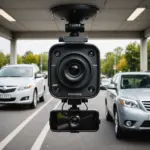
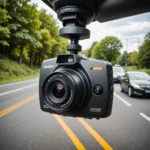
For most vehicles, the area on the windshield behind or close to the rear-view mirror is the most practical position for a forward-facing camera. Mounting the unit high and near the centre of the windshield gives it a broad view of the road while keeping it relatively unobtrusive.
Align the lens with the vehicle’s direction of travel and angle it so the road occupies most of the frame without cutting off important surroundings. The camera should remain inside the portion of the windshield cleared by the wipers. This helps prevent rain, dirt, or snow from obscuring the image.
A dashboard mount can be suitable when windshield mounting is impractical, but it may be more exposed to sunlight and vibration. It can also produce a lower or less useful perspective. Whichever position you choose, make a test recording from the driver’s seat and check the view before securing the mount permanently.
Best locations for rear-facing cameras
A rear camera can record traffic behind the vehicle and improve visibility while reversing. For a wide view, an interior camera mounted near the top of the rear windshield can work well, provided the glass is clear and free from excessive tint or reflections.
For a lower view directed toward the area behind the vehicle, an exterior position near the licence plate or rear trim may be more appropriate. This placement can provide useful detail at close range, but exterior cameras need suitable weather protection and secure wiring. Check the image after installation to make sure the camera is not pointed too far toward the ground or blocked by the boot, tailgate, or number plate frame.
Side cameras and blind-spot coverage
Side-mounted cameras can supplement front and rear views by recording adjacent lanes, intersections, and areas that are difficult to see from the driver’s position. Common options include positions near the side mirrors, front doors, or rear side windows.
External side cameras may provide a clearer view, but they are exposed to rain, road spray, dirt, and accidental impact. Internal mounting near a side window protects the equipment, although reflections, tint, and the window frame can affect the recording. Test both sides in daylight and at night to identify glare or blind areas before finalising the installation.
Interior camera placement
Interior cameras may be used to document activity in the cabin, monitor driver behaviour, or record passenger interactions. A position near the front of the headliner or rear-view mirror can cover the driver and front passenger. A more central roof or headliner position may provide a wider view of multiple seating rows.
Choose a location that does not distract occupants and does not interfere with airbags or other safety equipment. If the camera records audio as well as video, review the rules that apply where the vehicle is being used. Informing occupants may also be appropriate or required, depending on the situation and jurisdiction.
Testing and maintaining the installation
Record short clips at different times of day before relying on the system. Look for windshield glare, lens flare, reflections, poor night exposure, vibration, and sections of the scene hidden by the vehicle itself. Clean the lens regularly and inspect exterior mounts and seals for dirt, looseness, or moisture.
Also check the camera’s storage settings. Loop recording and automatic overwriting can remove older files, so important footage should be copied promptly. Keep the installation tidy, review the camera angle after servicing the vehicle, and confirm that cables remain clear of moving parts and safety systems.
Choosing the right combination
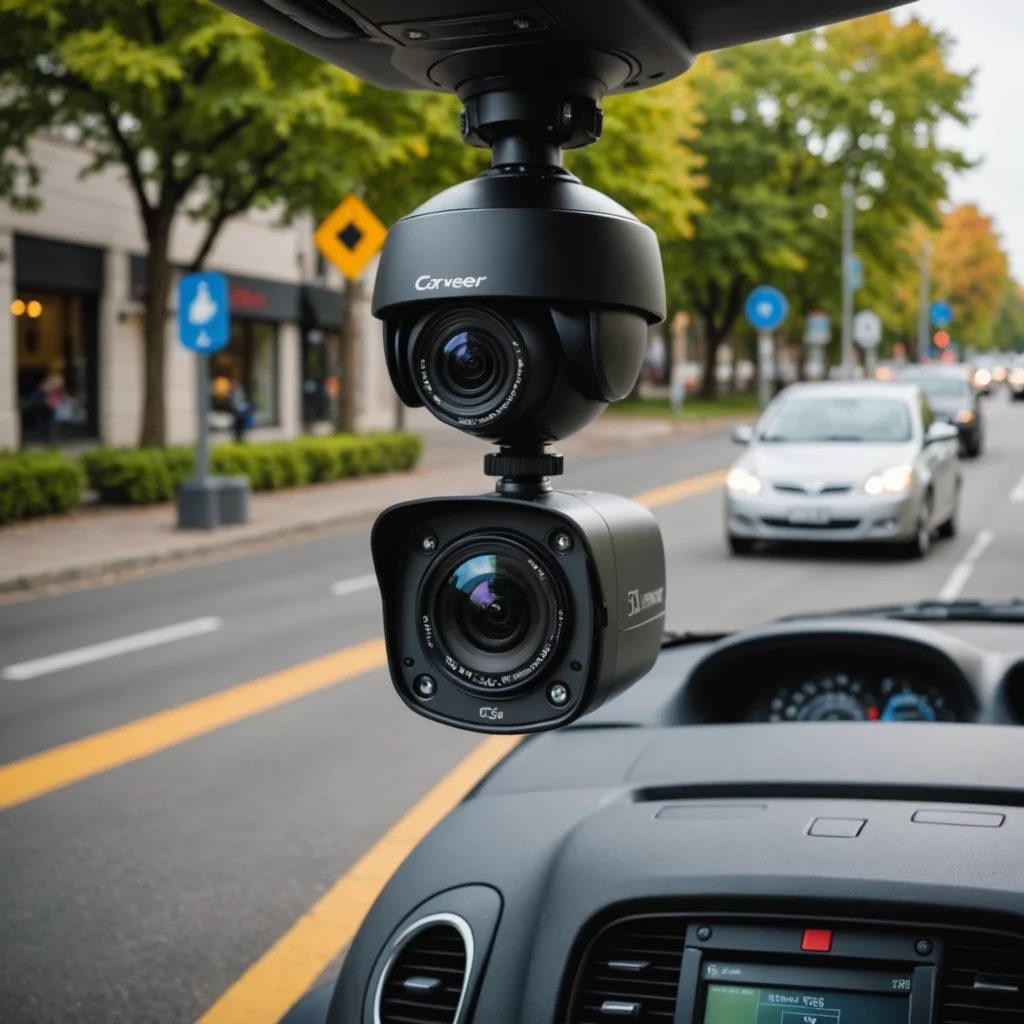
A front camera behind the rear-view mirror is usually a strong starting point for recording the road ahead. A rear unit adds coverage behind the vehicle, while side and interior cameras address specific blind spots or monitoring needs. The best arrangement is the one that matches your vehicle’s layout and your reason for recording without compromising visibility, safety, privacy, or image quality.