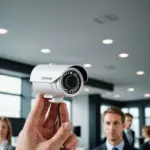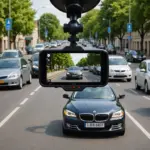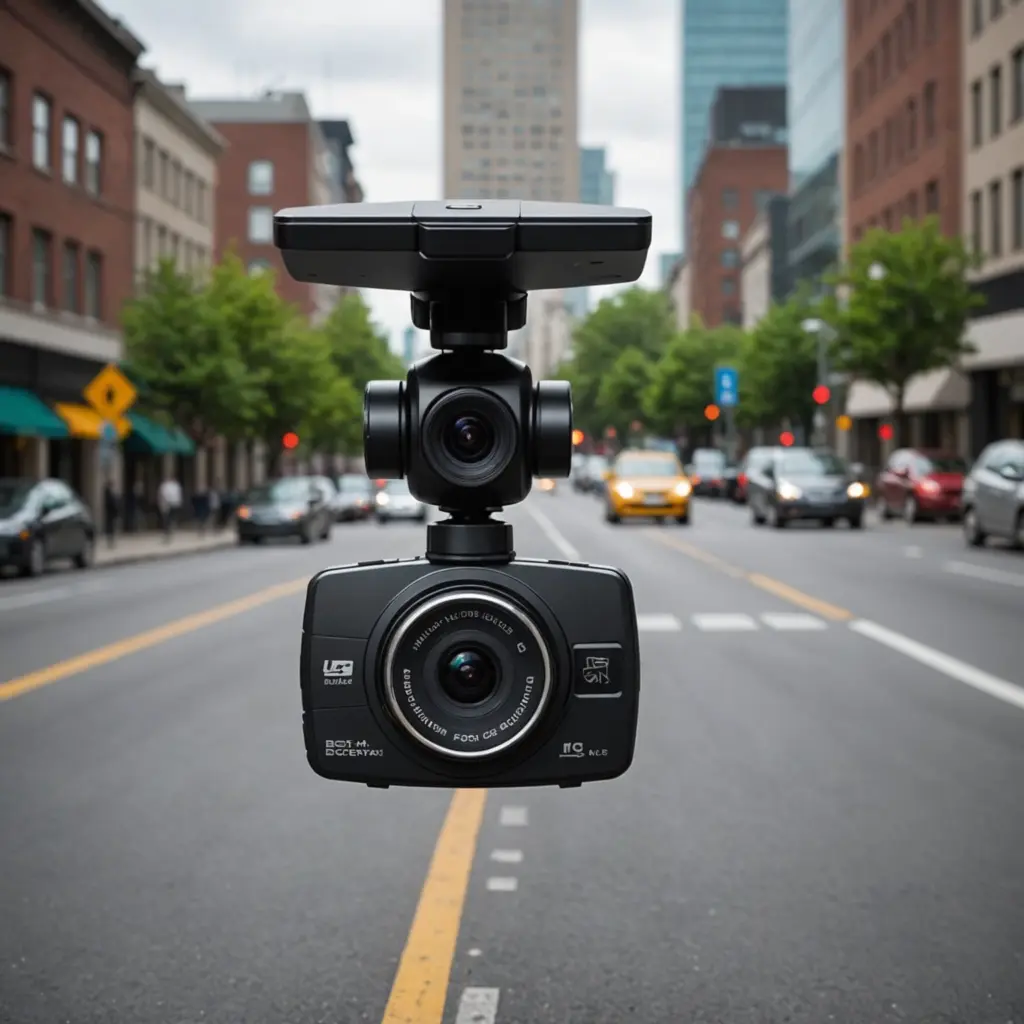

A hidden dash camera can document driving incidents without dominating the vehicle’s interior. For commuters, rideshare drivers, delivery workers, and fleet operators, a discreet setup may provide useful evidence while keeping the dashboard uncluttered. The right choice depends on more than size: image quality, power management, storage, installation, and local recording laws all matter.
Why choose a discreet dash camera?
A compact or concealed camera is less visually distracting than a prominent windshield-mounted unit. It may also be less tempting to remove or damage. When installed correctly, it can record the road naturally without changing the appearance of the vehicle or interfering with the driver’s view.
Recorded footage may help document collisions, disputed incidents, damage while parked, or unexpected events on the road. It should not be treated as a substitute for safe driving, and recording passengers or other people creates additional privacy responsibilities.
Features to compare before buying
Video quality and night performance
Choose a camera that produces clear footage in the conditions you regularly drive in. Full HD or higher resolution can make important details easier to review, but resolution alone does not guarantee useful recordings. Look for dependable performance in low light, strong contrast handling, and a field of view that shows the road without excessive distortion.
Before purchasing, review genuine sample footage if it is available. Pay particular attention to whether road signs, vehicles, and other relevant details remain identifiable during movement, glare, dusk, and nighttime scenes.
Recording and protection features
- Loop recording: Reuses storage space as the card fills, allowing recording to continue without constant manual deletion.
- Impact detection: A G-sensor can mark or protect footage when it detects a collision or sudden movement.
- Parking mode: Can monitor a parked vehicle, depending on the camera’s power setup and trigger method.
- Motion detection: May begin recording when movement is detected, although performance can vary by location and lighting.
- GPS logging: Can add location and route information to recordings, which may be useful for professional drivers or incident review.
- Audio recording: Provides additional context but should only be used when permitted by applicable recording and consent laws.
Power, storage, and connectivity
Small cameras still need a dependable power source. Consider whether the installation will use a standard vehicle socket, a USB connection, or a more permanent wiring arrangement. Parking surveillance may require power when the ignition is off, so check how the camera manages battery protection and whether additional installation work is needed.
Storage requirements also deserve attention. Higher-resolution video uses more space, and important clips can be overwritten if they are not protected or copied. Check the supported memory-card capacity and the process for transferring footage. Wi-Fi or cloud features may simplify access, but cloud services can involve separate fees or account requirements.
Where to install a hidden dash camera
The area behind or near the rear-view mirror is often suitable because it can keep the camera outside the driver’s main sightline while providing a forward-facing view. Other possible locations include a visor area or a carefully selected interior accessory. The best position depends on the vehicle, the camera’s lens angle, and local rules about windshield obstruction.
Test the view before completing the installation. Confirm that the camera captures enough of the road, is not aimed too high or low, and does not create a blind spot. Route cables along existing trim lines where possible, but do not place wiring across airbags or other safety equipment. For permanent wiring, professional installation can reduce the risk of damaged trim or interference with vehicle systems.
Legal and privacy responsibilities
Recording rules differ between jurisdictions. Video recording may be treated differently from audio recording, and consent requirements can apply to conversations inside a vehicle. Rules may also govern where a camera can be mounted and how recordings containing identifiable people may be shared.
Before using a hidden camera, check the laws that apply where the vehicle is operated. Rideshare drivers and fleet managers should also establish a clear policy for passengers or employees. Signage, written notices, or terms of service may help explain what is recorded, why it is recorded, and who can access the footage. Avoid publishing recordings unnecessarily, especially when they reveal faces, voices, registration details, or private conversations.
How to select the right model
For everyday driving, prioritize discreet dimensions, reliable daytime and nighttime footage, simple storage, and a secure mounting method. Drivers who need parking protection should investigate power requirements before focusing on other features. Professional users may place greater value on GPS, durable construction, quick footage retrieval, tamper resistance, and support for managing multiple vehicles.
Compare the complete cost rather than the camera’s purchase price alone. Include installation, memory cards, replacement mounts, storage, subscriptions, and any accessories required for parking mode. Warranty coverage, customer support, and firmware-update practices are also worth checking.
A well-chosen hidden dash camera should remain unobtrusive without compromising visibility, safety, or privacy. Focus on usable footage, dependable power, secure installation, and lawful operation, then choose the features that match how and where the vehicle is driven.