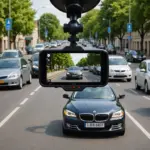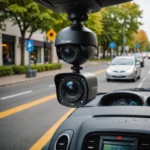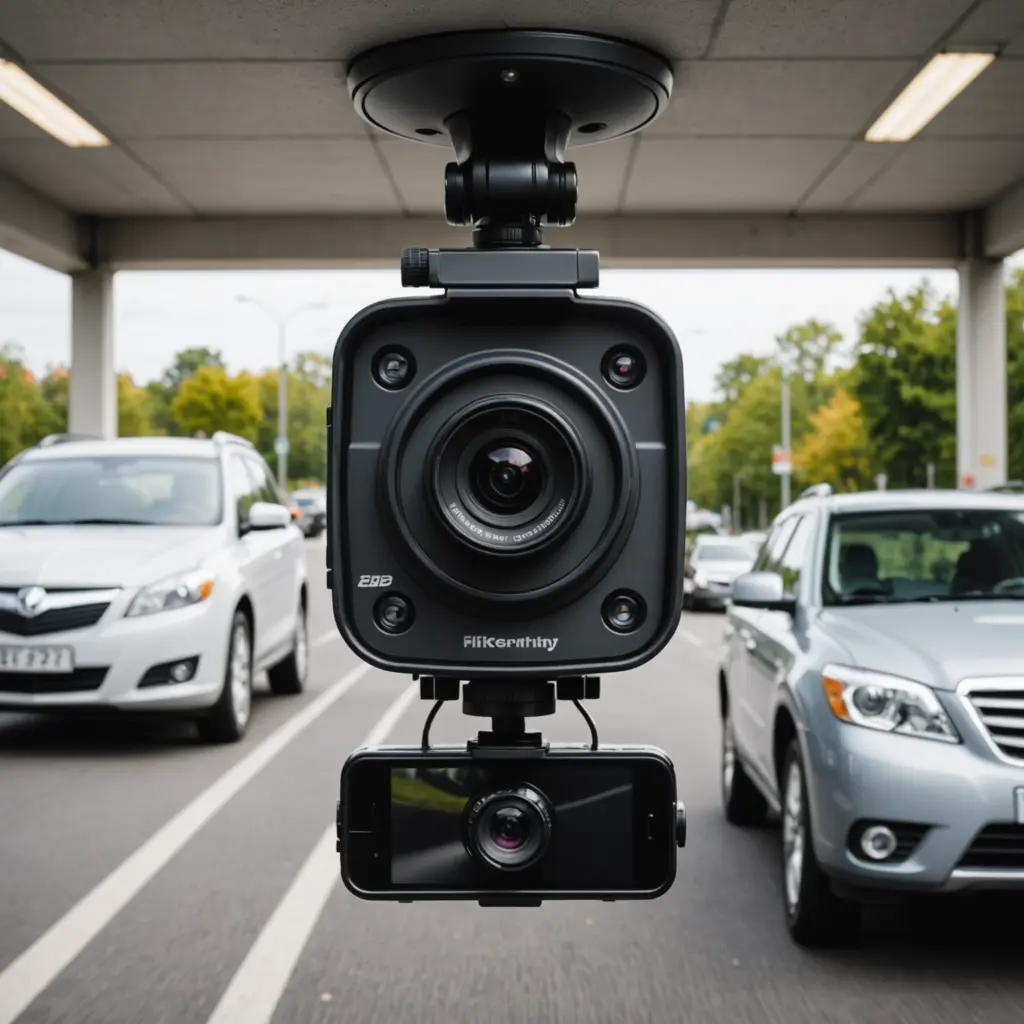

A hidden vehicle camera can help document collisions, vandalism, theft attempts, and other incidents that might otherwise come down to conflicting accounts. It may also be used to review how a vehicle is operated by another authorised driver. The best choice depends on where the camera will be used, whether the vehicle is moving or parked, and the type of footage you need to capture.
What a hidden vehicle camera can do
Vehicle cameras are typically used for one or more of the following purposes:
- Recording the road ahead: A forward-facing camera can document traffic incidents, near misses, and disputed collisions.
- Monitoring a parked vehicle: A parking mode may begin recording after movement or an impact is detected, depending on the device and its power setup.
- Protecting the interior: An inward-facing camera can record activity inside the cabin when appropriate and lawful.
- Reviewing vehicle use: Owners or fleet operators may use footage to understand how a vehicle is being driven, provided drivers and passengers are treated fairly and applicable rules are followed.
Discreet installation can reduce distractions and make the camera less noticeable, but concealment should never compromise the driver’s view, safe operation of the vehicle, or lawful notice requirements.
Common types of hidden car cameras
Discreet dash cameras
Small cameras mounted near the rear-view mirror or at the top of the windscreen can record the road without taking up much space. Features may include loop recording, automatic overwriting of older files, and an emergency-save function that protects footage after an impact.
Interior cameras
An interior-facing unit can cover the driver and passenger areas. These cameras are useful for documenting activity inside a vehicle, but they raise greater privacy concerns, particularly when passengers or employees are recorded without clear notice.
Parking and low-light cameras
For incidents that occur while a vehicle is unattended, look for motion or impact detection and performance suitable for the available light. Night vision or infrared illumination may help in dark conditions, although image quality will still depend on the camera, its angle, and the surrounding environment.
Portable and hard-wired models
Magnetic, suction-mounted, or plug-in cameras can be moved between vehicles and are generally simpler to install. A hard-wired camera can provide a neater installation and support recording while the ignition is off, but it must be installed correctly to avoid battery-drain or wiring problems. If you are unsure about vehicle wiring, professional installation is the safer option.
Legal and privacy issues to check first
Rules governing vehicle surveillance vary by location. Before installing a hidden camera, check the requirements that apply where the vehicle is owned, driven, parked, or used. Pay particular attention to audio recording, as capturing conversations may be subject to different consent rules from recording video.
Recording public traffic or an exterior area does not automatically make every use lawful. Recording inside a vehicle, monitoring passengers, filming private property, or observing employees may involve additional privacy obligations. Commercial operators should consider informing drivers and passengers that recording takes place, explaining the purpose, and limiting access to stored footage.
Do not rely on the camera’s discreet appearance as a substitute for legal compliance. When the rules are unclear, obtain qualified local legal advice before recording.
Placement and installation tips
Good placement is more important than simply choosing the smallest camera. For forward-facing footage, position the unit where it has a clear view through the windscreen and does not obstruct the driver’s sightline. Avoid areas covered by windscreen wipers or locations where reflections, tint, or dashboard glare could reduce image quality.
For interior coverage, select an angle that includes the intended area without creating unnecessary blind spots. A camera used for parking protection should face the areas most likely to be affected by a collision or attempted break-in.
- Secure the mount so vibration does not blur the image or change the viewing angle.
- Route cables away from pedals, airbags, steering components, and other moving parts.
- Set the date and time correctly so recordings are easier to organise and use.
- Choose motion sensitivity carefully to reduce unwanted recordings from passing activity.
- Check the memory card regularly and preserve important clips before they are overwritten.
- Test the camera after installation, including recording while driving and any parking mode.
How to choose the right camera
Start with the event you want to document. For driving incidents, prioritise clear daytime footage, a suitable field of view, stable mounting, and dependable loop recording. For parked-vehicle protection, focus on impact or motion detection, low-light performance, and a power solution that will not unnecessarily drain the vehicle battery.
Also compare video resolution, storage capacity, ease of retrieving clips, installation requirements, and the manufacturer’s support for the device. A camera with many features is not necessarily the best choice if it is difficult to operate, poorly positioned, or unreliable when you need it.
Use the footage responsibly
A hidden vehicle camera can provide useful evidence, but it should be part of a sensible security plan rather than a reason to record indiscriminately. Limit recording to a legitimate purpose, protect stored files from unauthorised access, and retain footage only as long as necessary. With careful selection, safe installation, and respect for privacy, a vehicle camera can improve accountability without creating avoidable legal or practical problems.