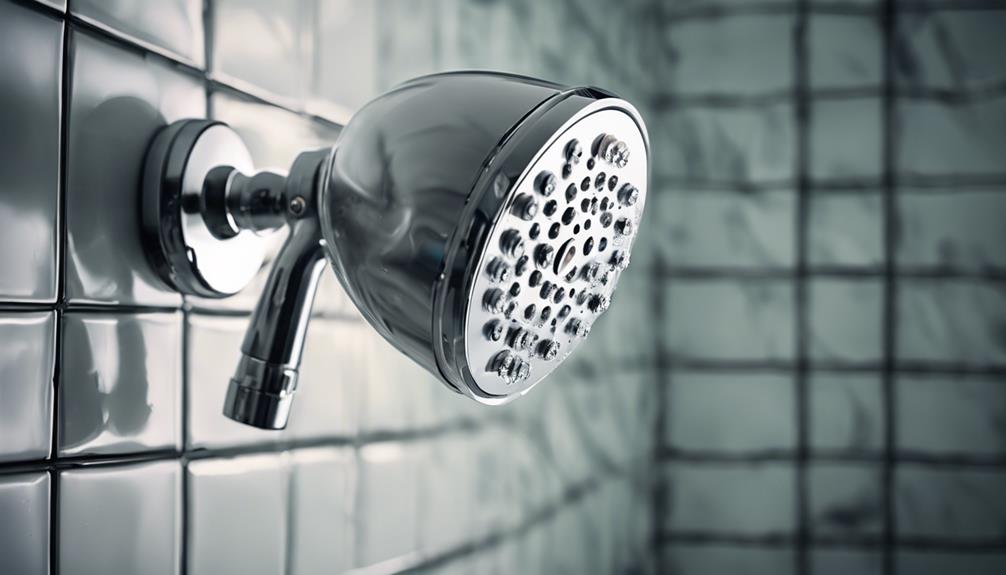

Hidden cameras designed to resemble shower fixtures may be marketed as discreet security devices, but bathrooms are spaces where people have an especially strong expectation of privacy. Recording anyone in a shower or bathroom without clear, informed consent can cause serious harm and may violate privacy or surveillance laws. For that reason, a covert shower-head camera should not be treated as an ordinary home-security product.
Why covert bathroom cameras are a serious concern
A concealed camera can record highly sensitive images without the knowledge of the people being filmed. The fact that a device offers high-definition video, motion detection, wireless access, or night vision does not make its use appropriate. Those features can increase the amount of private material collected and make unauthorized access more damaging.
Remote viewing also creates additional security risks. Footage transmitted over a network or stored online may be exposed through weak passwords, compromised accounts, outdated firmware, or poorly secured storage. Even when a device is advertised as encrypted, users should not assume that recordings are automatically private.
Legal and ethical issues to consider
Surveillance rules differ by location, but recording people in areas associated with nudity or personal care is commonly subject to strict restrictions. Consent requirements may apply even when the camera is installed on property owned by the person operating it. Sharing, storing, or distributing recordings can create further legal and personal consequences.
Before installing any security device, consider whether everyone who could enter the area understands what is being recorded, where the device is located, how long footage is retained, and who can access it. In a bathroom, a concealed device generally cannot meet those transparency and consent standards.
Safer ways to protect a bathroom or home
If the goal is to improve household security, prevent damage, or monitor access, use a visible solution outside private areas. More appropriate options include:
- Visible cameras at entrances: Place them at exterior doors, hallways, garages, or other locations where people do not expect privacy. Make the camera noticeable and provide any required notice.
- Door and window sensors: These can report when an entry point opens without capturing intimate images.
- Motion or occupancy sensors: Sensors that detect movement without recording video can help identify unexpected activity while collecting less sensitive information.
- Water-leak detectors: For plumbing protection, a leak sensor near the shower, sink, or toilet is more suitable than a camera.
- Improved locks and lighting: Reliable locks, privacy latches, and adequate lighting can address many security concerns without surveillance.
How to evaluate a legitimate security camera
For permitted areas such as an entrance or shared hallway, look for a clearly disclosed device with a documented privacy policy and practical security controls. Useful features may include strong account authentication, encrypted connections, local recording options, configurable retention periods, activity notifications, and regular software updates. A visible status indicator or physical privacy shutter can provide an additional reminder that recording is active.
Water resistance is relevant only when a camera is intentionally designed for a damp but lawful location. Do not assume that a product resembling a shower fixture is safe to expose directly to water. Check the manufacturer’s installation instructions and stated protection rating, and never modify electrical equipment for use near water.
Protecting privacy if you discover a hidden camera
If you find a suspected concealed camera in a bathroom, avoid tampering with it if doing so could destroy evidence. Photograph the device in place when safe, leave the area, and contact appropriate local authorities or a qualified legal professional. If online access is involved, change relevant passwords and preserve account or network records rather than attempting to access footage yourself.
Choose transparent security
The most responsible security setup avoids covert recording in private spaces. Use visible cameras only where surveillance is lawful and clearly communicated, and choose non-camera sensors when the objective is access detection, safety, or leak prevention. These approaches provide useful protection while respecting the dignity and privacy of everyone who uses the home.