
Covert cameras for home can provide discreet monitoring without the visual impact of conventional security hardware. They may be considered for documenting suspected theft, checking on property while away, monitoring common areas, or reviewing incidents after they occur. However, concealment does not remove the need to respect privacy, follow local law, and use surveillance for a clearly defined purpose.
When a discreet camera may be appropriate
A hidden or unobtrusive camera can be useful when a visible device would be impractical, easily tampered with, or out of place in the room. Common situations include:
- Monitoring entrances, hallways, living areas, or other shared spaces in a home.
- Checking the condition of a property between occupants or short-term stays.
- Documenting suspected vandalism, theft, or repeated damage.
- Keeping watch over an elderly family member in a common area, where appropriate and lawful.
- Reviewing activity around an outbuilding, entry point, or other vulnerable part of the property.
For childcare, caregiving, or household staff, consider whether a visible camera and clear notice can achieve the same safety goal with less impact on trust. Covert monitoring should not be treated as a substitute for communication or basic security measures.
Types of covert cameras
Discreet cameras are available in several configurations. The best choice depends on whether you need live viewing, continuous recording, local storage, or a simple temporary setup.
Wi-Fi cameras
Wi-Fi covert cameras can send video over a home network for live viewing on a phone or another authorised device. They may also support remote access or network storage. These features are convenient, but the camera, app, and home network should be protected with strong account credentials and any available security settings.
Local-recording cameras
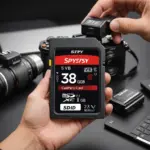
Some compact cameras record to an SD card or another local storage device. A local setup can be useful where internet access is limited or where you prefer not to transmit footage over the network. Check how much footage the storage can hold and whether older recordings are automatically overwritten.
Wired CCTV systems
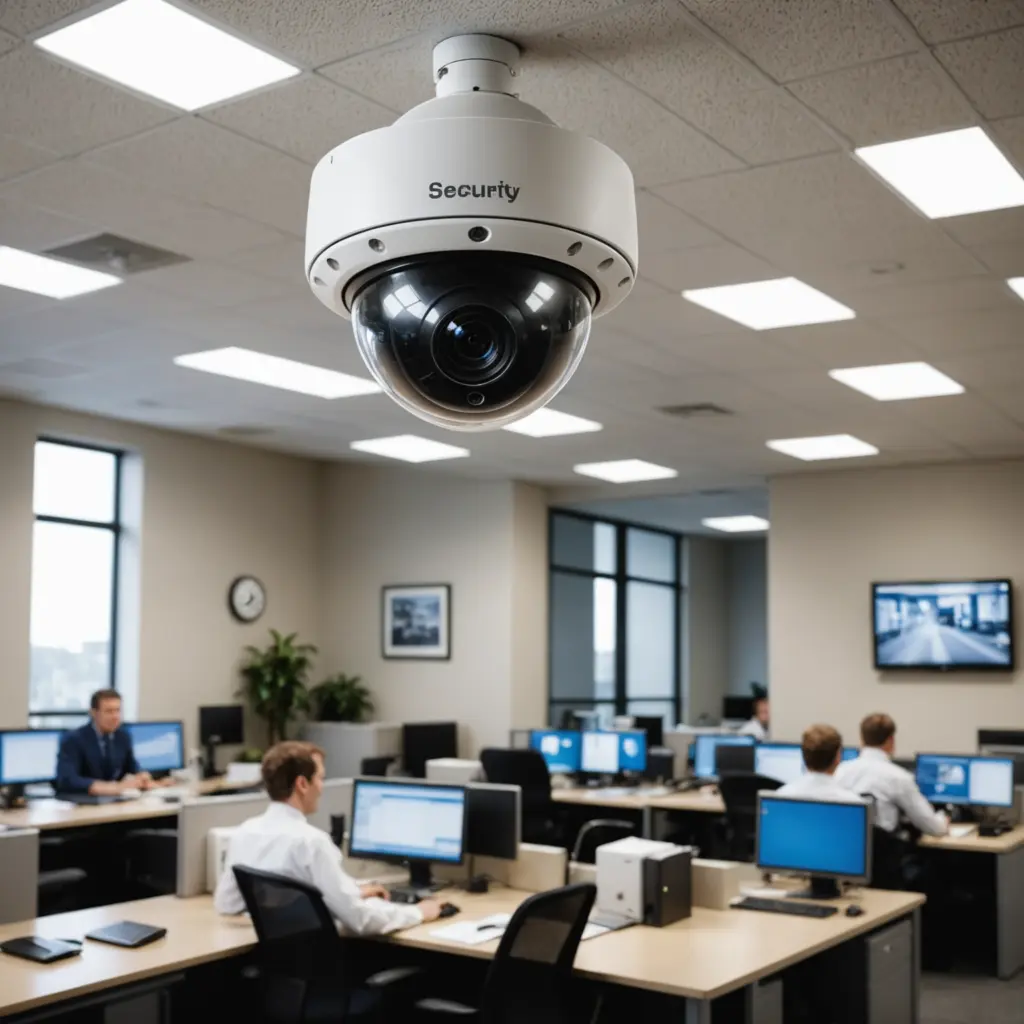
Wired covert CCTV cameras can connect to a recorder as part of a larger surveillance system. They generally require more planning during installation, but a wired power and video connection may be preferable for a fixed location or long recording periods.
Concealed and purpose-built designs
Some products are designed to blend into ordinary household objects or fixtures. Others use a small lens and a separate housing so the camera can be positioned discreetly. Avoid placing a lens behind material that blocks or distorts the image, and ensure the chosen object does not obstruct ventilation or create a safety hazard.
Features to compare before buying
- Image quality: Choose a resolution that makes important details visible in the intended lighting.
- Field of view: A wider view covers more space, while a narrower view may provide more useful detail at a distance.
- Low-light performance: Confirm how the camera performs at night or in dim rooms.
- Power: Battery operation simplifies placement but requires regular checks. Wired power is better suited to continuous use but needs more installation work.
- Recording method: Compare local storage, a dedicated recorder, and network or remote access.
- Motion recording: Motion activation can reduce unnecessary footage, although placement and sensitivity affect how well it works.
- Audio: If a device records sound as well as video, review the rules in your area before enabling that feature.
Placement and installation
Begin with the event you need to document and the area that must be visible. Test the camera from its proposed position before permanently mounting or concealing it. Check the view at different times of day, including when lights are on, blinds are closed, or the room is dark.
Keep the lens unobstructed and position the device so it does not capture more of the property than necessary. Secure cables and power supplies, protect equipment from accidental knocks, and make sure battery compartments remain accessible for maintenance. A discreet camera can support a broader security plan, but visible locks, lighting, alarms, or cameras may provide stronger deterrence in suitable areas.
Privacy, legal, and ethical boundaries
Surveillance laws differ by location. As a basic privacy safeguard, do not place cameras in bathrooms, changing areas, bedrooms used by others, or any other space where people reasonably expect privacy. Recording audio may be subject to stricter requirements than recording video, so disable audio unless you have confirmed that its use is lawful and appropriate.
Tell household members, residents, workers, guests, or caregivers about monitoring whenever the law requires it. Even where concealed recording may be permitted, consider whether it is proportionate to the safety concern and whether a visible camera, notice, or direct conversation would be a better option. When the rules are unclear, seek advice based on your local jurisdiction before recording.
Maintenance and footage management
Test the system regularly to confirm that it is recording, the time and date are correct, and the storage has not filled or failed. Replace or recharge batteries as needed, inspect cables, and keep camera software and related apps updated. For Wi-Fi models, review connected accounts and access permissions periodically.
Store footage securely and retain it only as long as there is a legitimate reason to do so. If footage may be relevant to a dispute or crime, preserve the original recording and avoid unnecessary editing. Used carefully, covert cameras can support home security while limiting unnecessary intrusion into other people’s privacy.