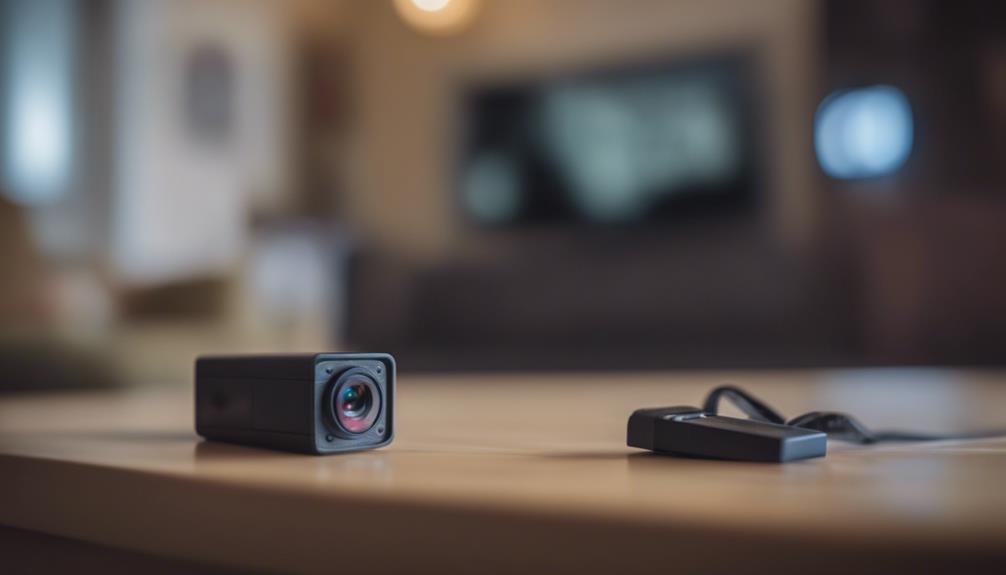

An AC with camera is a surveillance device designed to resemble an air-conditioning unit or an air-conditioner casing while containing a small camera. Its appearance allows it to blend with common room fixtures instead of looking like a conventional security camera.
This type of device may be considered for monitoring a home, office, business area, rental property, or equipment space. However, discreet placement does not remove the need to respect privacy laws, obtain any required consent, and secure recorded footage properly.
Why choose an air-conditioner-style camera?
The main attraction is unobtrusive placement. A visible camera can be distracting, altered, or deliberately avoided, while a camera integrated into an ordinary-looking fixture may provide a less conspicuous view of a room. Mounting the unit high on a wall can also provide a broad perspective and reduce obstructions caused by furniture or people moving through the space.
Some devices may offer features such as remote viewing, motion alerts, local memory-card storage, low-light recording, or two-way communication. The most useful features depend on whether the priority is occasional checking, incident recording, or continuous security monitoring.
Potential applications
Possible uses include:
- Monitoring entrances, reception areas, or other appropriate parts of a property
- Checking on a home when occupants are away
- Observing equipment, stock, or restricted business areas
- Reviewing activity around a construction or storage space
- Providing remote visibility for an agreed caregiving or household arrangement
Placement should never be used to record people in locations where they reasonably expect privacy. Bathrooms, changing areas, bedrooms used by guests, and similar spaces are especially sensitive and may be subject to strict legal restrictions.
Installation and positioning
A clear view is more important than simply hiding the lens. The camera opening must not be blocked by the grille, casing, dust, or nearby objects. Highly reflective or textured covers can reduce image quality, create glare, or make faces difficult to identify.
Before fixing the unit in place, check the viewing angle from its intended position. A wide angle can cover more of a room, but placing a wide-angle lens too close to people may distort the image. Consider daylight, artificial lighting, shadows, and nighttime conditions. If the device relies on Wi-Fi, confirm that the signal is dependable at the installation point rather than assuming coverage will be adequate.
Power arrangements also require care. Battery-powered units need a realistic replacement or charging schedule. A wired installation may be more dependable for long-term monitoring, but electrical work should be completed safely and, where appropriate, by a qualified professional. Avoid modifying an air-conditioning system or connecting to its power supply unless the equipment and installation method are specifically suitable.
Features to compare
When assessing an AC with camera, compare the following specifications:
- Image quality: A higher-resolution image can make recorded details easier to review, although lighting and lens quality are equally important.
- Viewing angle: Choose coverage that suits the room without creating excessive distortion.
- Night or low-light performance: Check whether the device can produce usable footage in the conditions where it will operate.
- Motion detection: Adjustable sensitivity can help reduce unnecessary alerts and recordings.
- Storage: Determine whether footage is saved to a memory card, a connected device, or an online service, and review how long recordings can be retained.
- Connectivity: Remote access is only useful when the network connection and accompanying app are reliable and properly secured.
- Audio: Microphones and two-way talk introduce additional privacy concerns. Disable audio if it is not necessary.
Privacy and legal responsibilities
Rules governing hidden cameras differ by location and may distinguish between video and audio recording. Workplace monitoring may require notice, consultation, or consent. Recording visitors, tenants, domestic workers, caregivers, or members of the public without appropriate permission can create serious legal and ethical problems.
Before installation, identify who may be recorded, what purpose the recording serves, where the device will be placed, and how people will be informed when disclosure is required. Do not use concealment as a way to bypass privacy protections. If local requirements are unclear, obtain advice from a qualified legal professional.
Security and maintenance
Change default passwords immediately and use a strong, unique password for the camera account. Enable two-factor authentication when available, keep the device and app updated, and limit account access to people who genuinely need it. Protect stored footage as carefully as any other sensitive information.
Inspect the casing and lens regularly, test motion alerts, check storage capacity, and confirm that the date and time are correct. Battery condition and Wi-Fi performance should also be tested periodically. A discreet camera that has lost power, filled its storage, or disconnected from the network cannot provide dependable monitoring.
Making a responsible choice
An AC with camera can be useful where unobtrusive monitoring is appropriate, but concealment should not be the only selection criterion. Choose equipment that provides the necessary image quality, dependable power, suitable storage, and strong account security. Most importantly, define a legitimate purpose, avoid private spaces, and follow the laws and consent requirements that apply to the location.