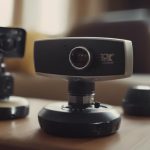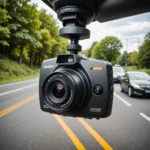

Advances in artificial intelligence have transformed how we think about surveillance and protection. Ai camera security now combines intelligent analytics with compact hardware to create systems that can identify people, detect unusual behavior, and reduce false alarms. For those exploring hidden camera applications, understanding the capabilities, practical uses, and legal boundaries of AI-driven devices is essential. This article explains how AI camera security works, where hidden cameras can be beneficial, how to choose the right system, and best practices for installation and maintenance.
How AI camera security works
At its core, AI camera security uses machine learning algorithms to analyze visual data in real time. Traditional CCTV systems record continuously and rely on human review or simple motion triggers. By contrast, an ai cctv setup applies object recognition, facial detection, and behavior analysis to prioritize important events. Many modern ai security camera system models perform these computations at the edge, within the camera itself, enabling features such as person-only alerts or package detection without sending every frame to the cloud.
These systems often include an ai wifi smart camera variant for convenient placement and remote access. Wifi-enabled models can stream footage, push alerts to a smartphone, and integrate with smart home hubs. For small businesses, a wireless ai security system for small business offers the flexibility to protect multiple entry points without extensive wiring. Whether processed locally or in the cloud, AI reduces false positives—like trees moving in the wind—and focuses attention on events that matter.
Practical hidden camera applications
Hidden camera applications powered by AI expand possibilities while maintaining discretion. In home security, discreet cameras can monitor entryways, nurseries, or areas where a visible camera might be tampered with. Ai home security systems can send targeted notifications when a recognized family member arrives or when an unknown face lingers near a doorway. For elder care, concealed cameras can help caregivers detect falls or unusual inactivity, giving families quicker response times while preserving dignity.
Small business owners also benefit from hidden AI cameras. A wireless ai security system for small business can monitor cash registers, loading docks, and back rooms without creating a storefront appearance that might alarm customers. Ai analytics can flag suspicious behavior, track inventory movement, and produce usable clips for loss prevention investigations. Outside the property, hidden cameras assist with parking area monitoring and vehicle theft deterrence, using night vision and motion detection tuned by AI.
Choosing the right AI security camera system
Selecting an ai security camera system requires balancing features, budget, and the intended hidden camera application. If discretion is a priority, look for compact form factors and models described specifically for covert use, ensuring they still comply with local laws. Resolution, low-light performance, and AI capabilities—such as facial recognition or heat mapping—should match the use case. For broader coverage, an ai cctv array with multiple angles and overlapping fields can reduce blind spots without relying on a single hidden unit.
Connectivity is another key decision. An ai wifi smart camera is convenient for homes and small businesses that want simple installation and remote access. However, wifi models may be more susceptible to interference or power loss; for mission-critical areas, consider hybrid systems that combine wired power with wireless data or cameras that support both Wi‑Fi and wired Ethernet. Also evaluate whether analytics run on-device or in the cloud, as local processing preserves privacy and reduces bandwidth, while cloud services may offer more powerful updates and centralized management.
Installation, placement, and legal considerations
Proper installation maximizes effectiveness while minimizing legal and ethical risks. Hidden camera placement should never infringe on reasonable expectations of privacy. Bedrooms, bathrooms, and changing areas are generally off-limits for surveillance. Use hidden cameras only where consent is given or where surveillance is lawful, such as monitoring public-facing business areas or your own home’s common spaces. Before installing, check local statutes about audio recording—many jurisdictions prohibit recording sound without consent even when video is permitted.
For effective coverage, position cameras to capture faces and actions clearly, avoid direct sun or headlights that can wash out images, and test night-time performance. If using an ai wifi smart camera, secure the wireless network with strong passwords and up-to-date encryption to prevent unauthorized access. Transparent signage in business settings can sometimes deter bad actors while keeping you within legal requirements, and written policies for employees and guests help clarify surveillance practices.
Maintaining and securing your AI system
Maintenance ensures long-term reliability of your ai camera security investment. Keep firmware and AI models updated to benefit from performance improvements and security patches. Regularly review logs and event footage to verify that object detection and alert thresholds are tuned to reduce false alarms while catching relevant incidents. For systems that rely on cloud storage, monitor subscription plans and retention policies so that critical evidence is preserved when needed.
Security hardening is especially important for hidden camera applications. Use unique, complex passwords for each device, enable two-factor authentication for accounts, and segment surveillance devices on a separate network if possible. Consider cameras with on-device encryption and local storage options to limit exposure if cloud services are compromised. For businesses, combining an ai cctv system with access controls and alarm integration creates multiple layers of protection against both physical and digital threats.
AI camera security opens new possibilities for discreet, intelligent monitoring across homes and small businesses. When chosen and installed thoughtfully, ai home security and ai security camera system solutions can enhance safety, reduce false alerts, and provide actionable footage while respecting privacy and legal boundaries. Hidden camera applications can be responsible and effective tools for caregiving, loss prevention, and property protection, provided you follow best practices for placement, compliance, and ongoing maintenance.