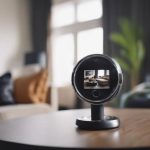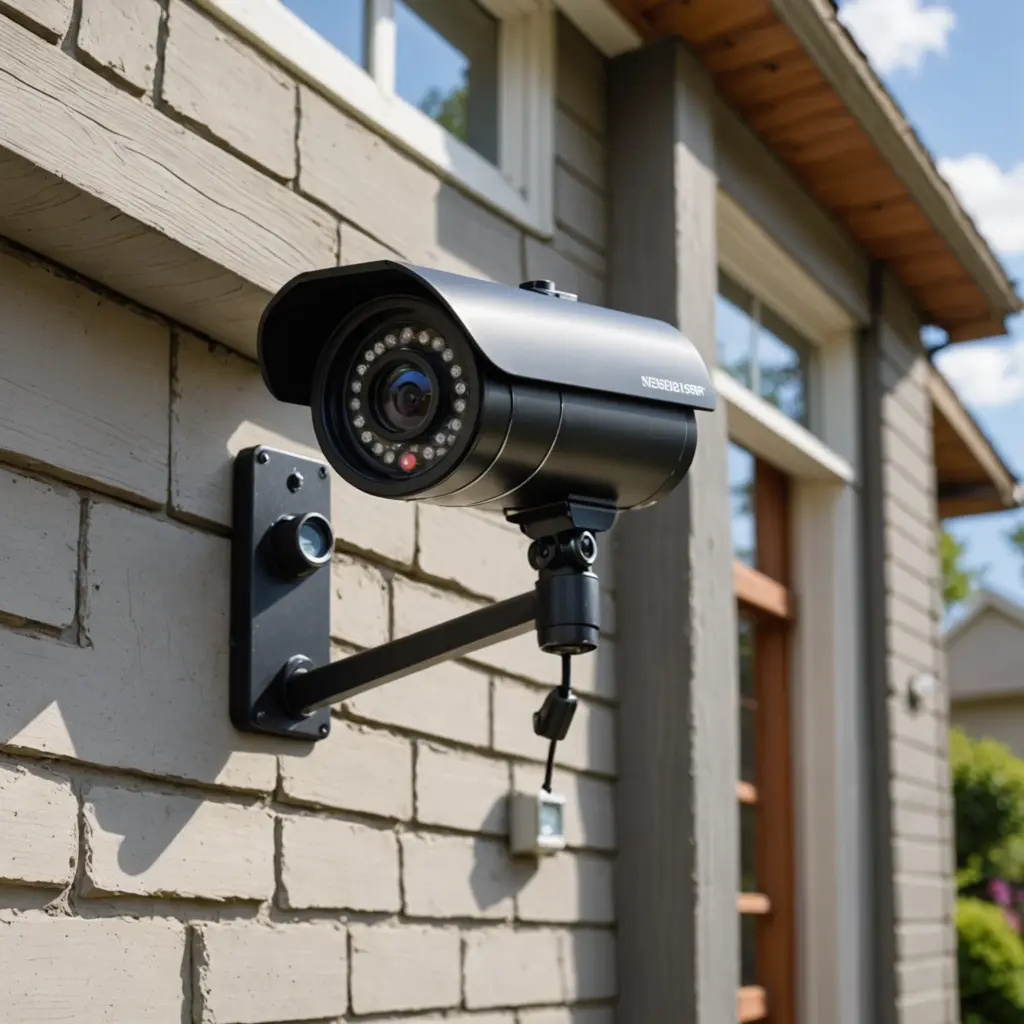

A pet camera without a subscription can help you check on a dog, cat, puppy, or kitten without adding another monthly bill. Many models provide live video, two-way audio, motion alerts, night vision, and local recording through a microSD card or another device. Some also include treat dispensing, making it possible to reward a pet while you are away.
The right choice depends less on having the longest feature list and more on how you plan to use the camera. A device for watching a dog in a crate has different requirements from a camera intended to follow a cat across a room. Before buying, consider where the camera will go, whether you need recorded footage, and how much control you want over stored video.
Why choose a pet camera with no subscription?
Subscription-free pet cameras are useful for owners who want to avoid recurring cloud-storage charges. A camera may let you watch a live stream at no additional cost, while recordings are saved locally to a microSD card. This can also reduce the amount of footage sent to a third-party cloud service.
However, “no subscription” does not always mean that every feature is free. Some manufacturers reserve certain alerts, cloud backups, or advanced functions for paid plans. Check the product documentation carefully to confirm which features work without a recurring fee and whether local recording is supported.
Features to prioritise
Video quality and viewing angle
Choose a resolution and lens that make it easy to see your pet’s behaviour, food and water areas, and nearby hazards. A wide viewing angle is helpful in a larger room, while pan-and-tilt control can be more useful when a cat or dog moves around frequently. If the camera will be placed in a crate, make sure the lens can show the whole sleeping area rather than only one corner.
Night vision and motion alerts
Night vision is valuable for monitoring pets after dark or in rooms with limited lighting. Motion alerts can notify you when an animal moves, but sensitivity should be adjusted to reduce unnecessary notifications from curtains, shadows, or other activity. Test alerts at different times of day before relying on them.
Two-way audio
Two-way audio allows you to listen to the room and speak through the camera. It may help you reassure a nervous dog, interrupt unwanted behaviour, or call a pet away from a dangerous area. Test the microphone and speaker from the intended position, since walls, distance, and background noise can affect clarity.
Local storage and recording controls
If recorded video is important, look for local microSD storage and confirm how recordings are managed. Some cameras overwrite older files when the card is full. Regularly review important clips and back them up elsewhere if you need to keep them. Secure the camera account and your home Wi-Fi network with strong, unique credentials.
Treat dispensing
A pet camera with a treat dispenser can be useful for rewards and interaction, but it should be used safely. Select treats that are appropriate for the animal, use a dispenser that does not encourage unsafe jumping, and position it where the pet cannot knock over furniture or become tangled with cables. Treat dispensing is an optional convenience, not a replacement for regular care and exercise.
Choosing a camera for dogs and puppies
A puppy or dog crate camera should show both the sleeping area and the crate entrance. This can help you observe rest, movement, and crate-training progress. Keep the power cable outside the dog’s reach and avoid placing loose accessories inside the crate.
For a dog that moves around the home, choose a wide-angle indoor camera or a model with pan-and-tilt control. Two-way audio and motion alerts may be useful, while a treat dispenser can support simple reward-based training. Avoid using the speaker to repeatedly startle or punish a dog.
Choosing a camera for cats and kittens
Cats often move vertically as well as across the floor, so placement matters. A higher, stable position can provide a better view of shelves, windowsills, and climbing areas. Quiet operation is preferable for cautious cats, and night vision can help you observe activity after dark.
If you use a treat dispenser with a cat, place it where treats cannot fall into an unsafe gap or prompt repeated jumping. In homes with multiple pets, more than one camera may be necessary to see feeding areas and separate rooms.
Placement and setup advice
- Place the camera where it has a clear view, but keep it stable and out of reach.
- Check the image during both daylight and nighttime conditions.
- Test live viewing, motion alerts, audio, and local recording before leaving home.
- Keep cables away from chewing pets and secure any excess wire.
- Format or replace storage media according to the manufacturer’s instructions.
- Update the camera’s firmware and protect its account with a strong password.
Privacy and responsible use
A pet camera should be used openly and responsibly. Do not place it in bathrooms, bedrooms, or other areas where people reasonably expect privacy. Tell household members, pet sitters, and guests that monitoring is in use. Local storage can give you more control over recordings, but it does not remove the need to secure the camera and network.
For unobtrusive pet monitoring, focus on safe placement rather than concealing the device. The best subscription-free setup combines dependable live viewing, suitable local storage, safe positioning, and features that match your pet’s routine. Comparing those practical details will help you choose a camera that protects your privacy while keeping you connected to your dog or cat.