
Discreet cameras can support home security, property protection, workplace safety, and carefully documented investigations. The right setup depends on what you need to observe, where the camera will be placed, how recordings will be protected, and whether the planned use complies with privacy laws. A camera should be selected as part of a responsible monitoring plan rather than simply chosen for its ability to remain unnoticed.
Where discreet cameras may be useful
Visible security cameras can deter unwanted activity, but they are not practical in every setting. A compact or discreet device may be considered when a large camera would obstruct the space, change people’s behavior, or be difficult to mount. Common applications include:
- Monitoring entrances, driveways, or delivery areas at a home or vacation property
- Checking conditions in a nursery or another permitted indoor area
- Observing stockrooms, retail areas, or warehouses as part of a broader security system
- Documenting property damage, suspected theft, or care standards where monitoring is lawful
These uses still require careful boundaries. A discreet camera should never be treated as permission to record people in spaces where they reasonably expect privacy.
Types of camera products
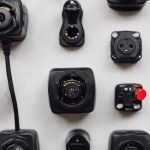
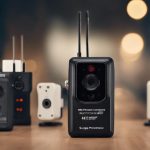
Products for discreet monitoring vary in size, housing, power source, connectivity, and image quality. Pinhole cameras and mini cube cameras can be installed in suitable fixtures or positioned behind architectural features, provided the installation does not create a safety hazard. Some wireless products are designed to resemble ordinary household items, while other compact cameras use a simple, unobtrusive housing that attracts little attention.
A locking camera or tamper-resistant enclosure may be more appropriate for an entryway, shared building, or outdoor location. These products can help protect the camera from being moved or damaged, although the housing does not replace sound mounting or regular inspection. Select familiar, appropriate-looking equipment only where its use is lawful and does not mislead people about the purpose of the space.
How to choose the right setup
Begin with the area and the event you need to capture, not with a particular product. Consider the following factors:
- Field of view: Confirm that the lens covers the intended doorway, room, or work area without unnecessarily recording neighboring property or private spaces.
- Lighting: Indoor and outdoor locations may need different low-light capabilities. Entryways used after dark may require infrared or night-vision support.
- Resolution: Choose enough image detail to identify relevant actions or objects at the camera’s actual distance.
- Power: Battery-powered cameras are easier to position but need regular charging or battery replacement. Wired models generally provide more consistent operation but require a suitable installation route.
- Connectivity and storage: Networked cameras may allow remote access, while local storage can reduce dependence on an internet connection. In either case, secure access is essential.
- Weather and tamper resistance: Outdoor equipment should be suitable for its environment and firmly attached. A locking mount can add protection in locations accessible to the public.
Planning and installation
Walk through the area before mounting the camera. Identify the most important sight line, check for obstructions, and look for glare from windows, lights, or reflective surfaces. A slightly elevated position can provide a clearer view of faces and activity, but the camera should not be angled into bedrooms, bathrooms, changing areas, or other private spaces.
Secure the mount and route cables so they cannot be easily pulled, tripped over, or damaged. Test the image during the conditions in which monitoring will occur, including nighttime if relevant. Confirm that the camera records the intended area rather than relying only on a live preview. After installation, review the position periodically because furniture, displays, landscaping, or lighting can create new blind spots.
Legal and ethical responsibilities
Rules governing surveillance differ by jurisdiction and may be especially strict for audio recording. Recording conversations can require consent even when video recording in the same location is permitted. Cameras in bathrooms, changing rooms, bedrooms, or similar private areas are generally inappropriate and may be unlawful. Workplace monitoring may also involve notice, employment, and data-protection requirements.
Before installing a discreet camera, check the laws that apply to the property and the people being recorded. Seek professional legal advice when the purpose involves employees, tenants, caregivers, shared spaces, or evidence that may be used in a dispute. When feasible, explain monitoring practices clearly and limit recording to a legitimate, defined purpose. Do not use covert equipment to harass, intimidate, or intrude on private activity.
Protecting footage and maintaining equipment
Responsible monitoring continues after installation. Inspect camera alignment, mounts, locks, batteries, and wiring on a regular schedule. For internet-connected products, use strong unique passwords, limit account access, and install available security updates. Store recordings securely, restrict them to authorized users, and encrypt them when possible.
Set a retention period based on the monitoring purpose and delete footage that is no longer needed. If a recording may be relevant to an investigation, document when it was collected, who accessed it, and how it was stored. A clear process helps protect privacy and supports the reliability of any footage that must later be reviewed.
Make discreet monitoring proportionate
The most effective camera setup is one that captures the necessary information without collecting more than necessary. Define the purpose, choose equipment suited to the environment, install it carefully, and review both legal and ethical obligations before recording begins. Used with restraint and good security practices, discreet camera products can contribute to safety and accountability while respecting the people and spaces they monitor.