
Yes, an Airbnb may have security cameras, but their use is subject to important privacy and disclosure limits. Hosts may use surveillance devices for security, property protection, or contactless entry, while guests are entitled to privacy in bedrooms, bathrooms, and other areas where private activities are expected.
Two sets of rules matter: Airbnb’s platform requirements and the laws that apply where the rental is located. Platform rules may restrict cameras even when local law permits them, and local privacy or recording laws may impose additional requirements.
Where Airbnb cameras may be allowed
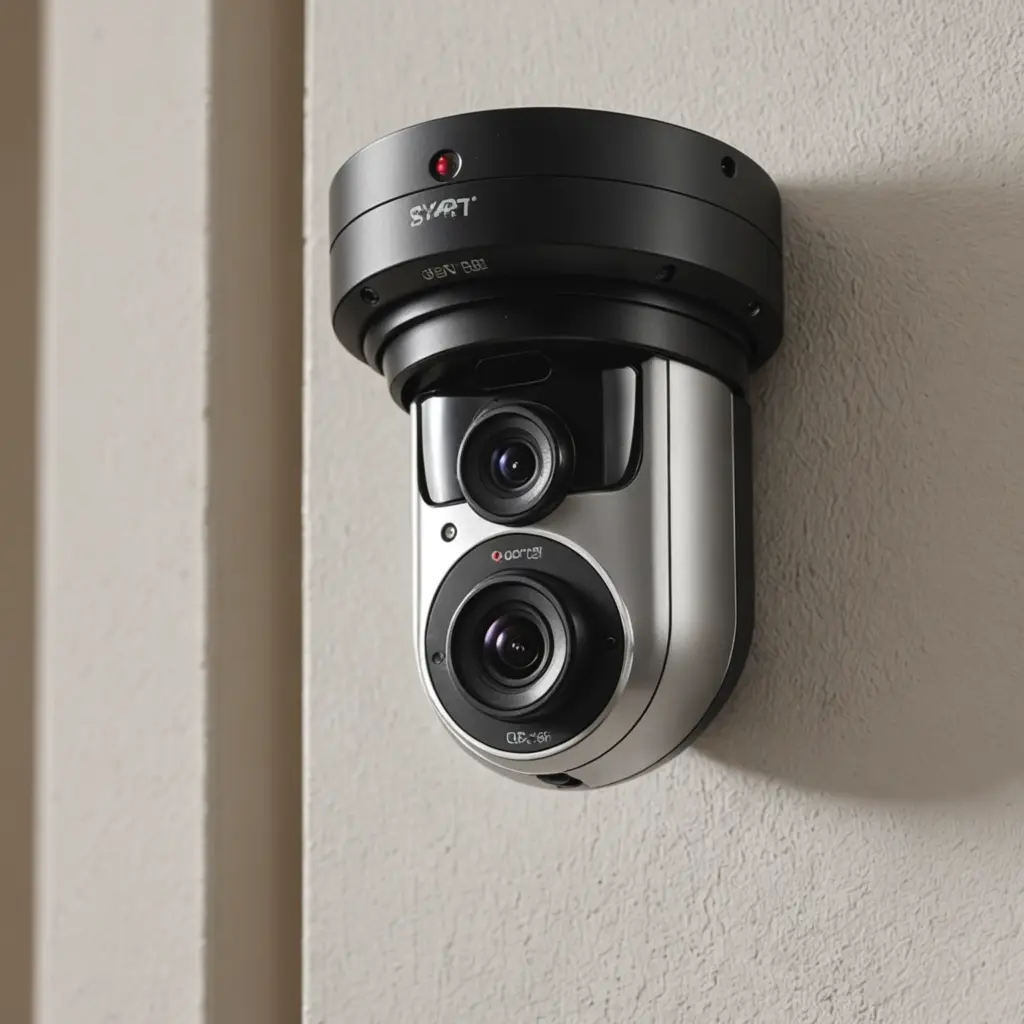
Security cameras are commonly used in outdoor or shared areas, provided their presence and location are disclosed to guests before booking. Examples may include:
- A camera directed at the front door, driveway, or another exterior entrance
- A doorbell camera used to monitor arrivals
- A device covering a shared building entrance or other common outdoor area
- A camera in a shared indoor space, where permitted by the platform’s rules and applicable law
A disclosure should be specific rather than vague. A useful description identifies the device’s location and what it covers, such as an exterior camera pointed only at the front entrance. Guests should be able to understand the surveillance setup before making a reservation.
Where cameras should not be used
Cameras are generally prohibited in private spaces such as bedrooms and bathrooms. These areas carry a strong expectation of privacy, and a hidden or undisclosed device may violate both platform rules and local law.
Hosts should also avoid positioning an otherwise permitted camera so that it captures private interior spaces through a doorway or window. A camera intended to monitor an entrance should be aimed narrowly at that entrance rather than at areas where guests sleep, change clothes, or bathe.
Why local law matters
Airbnb policy does not replace local law. Privacy and surveillance rules vary by state, country, and sometimes municipality. Many jurisdictions restrict recording in places where people reasonably expect privacy. Audio can create additional legal concerns because rules for recording conversations may be stricter than rules for recording video.
Hosts should check the laws that apply to the property before installing any device. Guests who believe they were recorded improperly may also want to review local requirements or seek advice from law enforcement or a qualified legal professional.
How guests can check for undisclosed cameras
A careful visual inspection can identify some suspicious devices, although no detection method is guaranteed to find every camera. Look for unfamiliar or modified objects near areas that provide a view of the room, including:
- Smoke detectors and alarm devices
- Clocks, chargers, USB adapters, and power strips
- Wall decorations, vents, and small electronic devices
- Objects with an unexplained lens, wire, or unusual opening
With the lights off, a flashlight may reveal a reflection from a camera lens. Some travelers use radio-frequency detectors or apps that scan a Wi-Fi network, but these tools have limitations. They may miss devices that are not transmitting, identify unrelated equipment, or work differently depending on the rental’s network.
If you find something concerning, photograph it in place and record its exact location. Avoid dismantling, damaging, or removing the device unless there is an immediate safety reason to do so. Preserving the scene can make it easier to explain what happened to the host, the platform, or the authorities.
What to do if a camera was not disclosed
- Document the device. Take clear photographs or video and note whether it is in a bedroom, bathroom, shared room, or exterior area.
- Contact Airbnb. Report the issue through the platform and provide the evidence and relevant booking details.
- Ask the host for an explanation. Keep communication within the platform where possible, and do not rely on a verbal explanation alone.
- Consider local authorities. If the device appears to record a private space or you believe a crime may have occurred, contact local law enforcement.
Practical guidance for hosts and guests
Hosts should disclose every permitted surveillance device clearly, identify its location, and explain what area it monitors. Guests should read the listing carefully and ask questions before booking if the camera policy is unclear. Travelers who want maximum privacy can look for listings that explicitly state whether indoor or outdoor surveillance devices are present.
Security cameras can serve a legitimate purpose, but transparency is essential. A properly disclosed device aimed at an entrance is very different from a hidden camera in a private room. Knowing the platform requirements, checking local law, and documenting concerns can help both guests and hosts protect safety without undermining privacy.