
Bluetooth video cameras offer a simple way to capture and access video without depending entirely on a Wi-Fi network. They are available as visible compact cameras, wearable recorders, and discreet models designed to blend into their surroundings. Their usefulness depends on understanding an important limitation: Bluetooth is generally intended for short-range communication, not remote, internet-based surveillance.
How Bluetooth video cameras work
A Bluetooth video camera combines a camera and microphone with a Bluetooth connection to a nearby smartphone, tablet, or dedicated receiver. After pairing, the connected device may provide live viewing, basic controls, or a way to transfer recorded files.
Many models save video to internal storage or a removable memory card rather than transmitting every recording continuously. This can simplify operation and reduce reliance on a wireless network, but it also means that footage may need to be retrieved manually. Some products use Bluetooth for setup or control while relying on another connection method for longer-range communication, so the specifications should be checked carefully.
Actual performance depends on several factors, including battery capacity, video resolution, storage space, encoding format, and whether the camera records continuously or only when motion is detected. Bluetooth range is also affected by walls, interference, the paired device, and the camera’s design. A stated range should be treated as an estimate rather than a guarantee for every location.
Common designs and form factors
Choosing the right physical design is often as important as choosing the wireless features. Common options include:
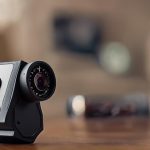
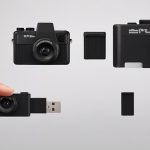
- Compact standalone cameras: Small cube, mini-dome, or other simple designs that can be placed on a shelf, desk, or another suitable surface.
- Wearable cameras: Clip-on or pen-style devices intended for mobile documentation and short-range operation.
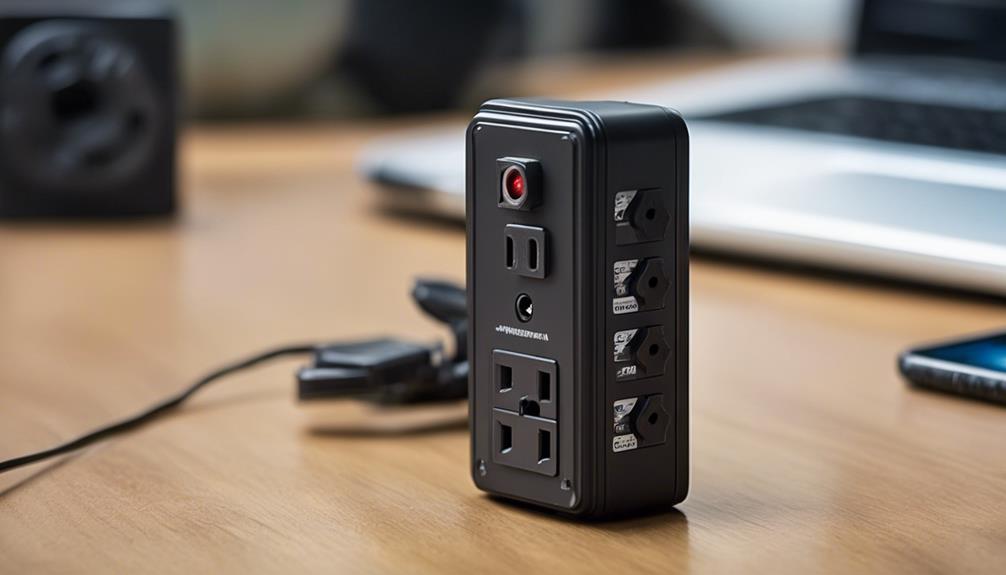
- Discreet or disguised cameras: Devices incorporated into objects such as clocks, frames, or other everyday items. These require particular care because people may not realize that recording is taking place.
- Mounted cameras: Units designed to remain in one position, where adjustable angles and access to continuous power may be more valuable than the smallest possible size.
Smaller cameras can be convenient for temporary placement or travel, while larger designs may offer more room for a battery, storage, or a higher-resolution sensor. The camera should be appropriate for the setting and should not be positioned where recording would violate anyone’s reasonable expectation of privacy.
Practical uses
For lawful, authorized monitoring, a Bluetooth camera may be useful when the operator is normally close to the device. Examples include checking an entryway, observing a room during a short absence, documenting an event, or providing a secondary baby-monitoring option when Wi-Fi is unavailable or unreliable.
Businesses may use a camera for temporary oversight of a defined area, such as a counter or loading zone, provided that workplace monitoring rules and applicable law are followed. Wearable models can also support personal documentation, interviews, or field work where a compact setup is useful.
Bluetooth is less suitable when you need dependable access from a distant location. If the camera must be viewed while the operator is away from the site, a product designed for an appropriate network or cellular connection may be more suitable than a Bluetooth-only device.
Features to compare before buying
- Image quality: Higher resolution can make details easier to see, but it may require more storage and battery power.
- Battery and power: Check expected runtime and whether the camera can remain connected to constant power for extended use.
- Storage: Confirm whether the device uses internal memory or a removable card, the supported capacity, and how files are transferred.
- Recording modes: Continuous, scheduled, and motion-triggered recording serve different needs and have different effects on storage and battery life.
- Pairing and range: Test the connection in the intended location rather than relying only on the manufacturer’s maximum estimate.
- Data protection: Look for pairing security, password controls, encryption where offered, and a reliable way to delete or securely store recordings.
- Usability: A clear companion app and straightforward controls can matter as much as technical specifications.
Legal and ethical responsibilities
Recording laws vary by jurisdiction, and audio may be subject to stricter rules than video. Consent requirements can apply in homes, workplaces, vehicles, and public or private spaces. Before installing or using a camera, determine whether notification, permission, or a specific authorization is required.
Do not place cameras in intimate areas such as bathrooms or changing rooms, and avoid recording household members, employees, visitors, or customers without an appropriate legal and ethical basis. Disguised cameras deserve additional caution because their unobtrusive appearance can make informed consent more difficult. When monitoring is part of professional work, keep records of the purpose, authorization, and handling of the footage.
Setup, maintenance, and secure handling
Test the camera before relying on it. Confirm the viewing angle, pairing stability, recording mode, date and time settings, and available storage. Walls and nearby electronics can reduce connection quality, so test the device throughout the area where the paired phone or receiver will be used.
Keep the lens clean, check the battery and storage regularly, and install firmware updates when appropriate. Back up important recordings to a secure location and use consistent file names or timestamps to make later review easier. If footage contains personal or sensitive information, limit access and delete it when it is no longer needed.
A Bluetooth video camera can be a practical short-range recording tool when its limitations are understood. Selecting the right form factor, testing the connection, protecting the footage, and respecting privacy will produce a more reliable and responsible setup.