
Hidden camera technology has become more accessible and versatile, offering a wide range of uses and applications for both individuals and organizations. From improving home security to supporting investigative journalism, discreet cameras can provide eyes where traditional cameras cannot. This article explores practical scenarios where covert cameras are useful, the types of devices available, legal and ethical boundaries, and best practices for installation and data security.
Common household uses for hidden cameras
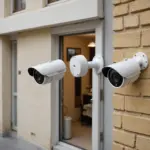
One of the most widespread hidden camera uses and applications in residential settings is enhancing home security. Concealed cameras placed near entryways, inside living rooms, or in outdoor areas can alert homeowners to break-ins, vandalism, or unusual activity without the visual presence of a standard security camera. When used responsibly, these devices give families time to respond to threats and can capture evidence for law enforcement.
Beyond intrusion prevention, hidden cameras are often used to monitor caregiving situations. Families use discreet cameras to check on elderly relatives, live-in caregivers, or babysitters to ensure proper care and safety. While these applications can provide peace of mind, it is important for homeowners to balance oversight with respect for privacy and to inform household members when appropriate.
Business and commercial applications
Businesses use covert cameras for a variety of operational and security reasons. Retailers may deploy hidden cameras to detect shoplifting and employee theft, as discreet surveillance can capture unauthorized activity without alerting wrongdoers. Offices and warehouses also use hidden cameras to monitor access to restricted areas and to verify that safety protocols are followed in environments where visible cameras might interfere with workflow or aesthetics.
In hospitality and property management, hidden cameras can help landlords and managers document property conditions, verify maintenance claims, or investigate damage reported by tenants. However, business use of covert cameras must comply with workplace privacy laws and company policies, and transparent practices are recommended to maintain trust among employees and customers.
Safety, legal, and ethical considerations
Any discussion of hidden camera uses and applications must include privacy, consent, and legal compliance. Laws governing surveillance vary by jurisdiction and typically restrict where recording is allowed, especially in places where individuals have a reasonable expectation of privacy, such as bathrooms and changing rooms. Unauthorized audio recording may be subject to stricter rules than video, so users should research local statutes before installing devices.
Ethically, covert surveillance raises important questions about trust and dignity. Using hidden cameras to monitor intimate spaces or to spy on a partner or employee without consent can damage relationships and lead to legal consequences. When surveillance is necessary, clear policies, written notifications, or consent from affected parties can help ensure responsible and lawful use.
Types of devices and how to choose the right one
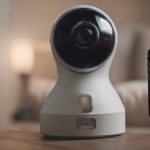
Hidden cameras come in many forms, from tiny pinhole lenses embedded in household items to disguised cameras built into smoke detectors, clocks, or USB chargers. Factors to consider when selecting a device include image quality, power source, storage options, and connectivity. Some users prefer battery-powered units for flexible placement, while others choose wired or PoE cameras for continuous operation and reliable data transmission.
For those needing remote monitoring, Wi-Fi-enabled covert cameras offer live streaming and cloud storage, but they also pose potential cybersecurity risks. Higher-resolution sensors and infrared capability improve visibility in low light, which is useful for nighttime surveillance. Matching the camera’s features to the intended use case—whether short-term evidence gathering or long-term monitoring—will help ensure the device meets expectations.
Installation, maintenance, and data security
Proper placement and installation are critical to the effectiveness of hidden cameras. Positioning should prioritize unobstructed sightlines while avoiding areas that could violate privacy norms. Secured mounting reduces the risk of tampering, and clear labeling when legally required can protect users from accusations of improper surveillance. Cable management and protective housings also help maintain reliability.
Data security is a major concern for any camera deployment. Users should implement strong passwords, enable two-factor authentication where possible, and keep firmware up to date to protect against hacking. When storing recordings, choose encrypted storage options or local devices that limit exposure to third-party servers. Finally, establish retention policies to delete footage that is no longer needed and to limit the amount of personal data that is retained.
Hidden camera uses and applications offer powerful tools for security, oversight, and documentation when implemented thoughtfully and legally. Whether for home security, business protection, or caregiving oversight, success depends on choosing the right hardware, respecting privacy laws, and following best practices for installation and data protection. By balancing practicality with ethical considerations, users can benefit from discreet surveillance while maintaining trust and compliance.