
An infrared camera detector can help identify hidden cameras that use infrared illumination for night vision. These devices are useful when checking a hotel room, rental property, office, or shared living space, but they are not a complete guarantee that a room is free from surveillance. The most effective approach combines infrared detection with careful visual inspection and, when appropriate, other security tools.
What an infrared camera detector detects
Many night-vision cameras use near-infrared LEDs to illuminate a dark area. The light is generally invisible to the human eye, allowing the camera to record without an obvious visible lamp. An infrared detector is designed either to sense these emissions or to make them easier to see.
Some handheld devices use an infrared-sensitive sensor and display, while others use optical components that help reveal reflections from a camera lens. A smartphone camera may also detect certain infrared sources, although results vary between phone models because some cameras include stronger infrared filtering than others.
Active and passive detection
Infrared detection tools generally use one of two approaches:
- Passive detection: The device looks for infrared light already being emitted by a camera, such as the glow from night-vision LEDs.
- Active detection: The device projects light and looks for reflections that may indicate a lens or another reflective surface.
A passive check is most useful when a hidden camera is actively using infrared illumination. An active optical check may help reveal a lens even when the camera is not producing a strong infrared signal. Some products combine both methods.
Where an infrared detector can be useful
People commonly use these devices during privacy checks in bedrooms, bathrooms, hotel rooms, short-term rentals, offices, and other areas where unauthorized recording would be especially concerning. Businesses may also include infrared inspection in a broader counter-surveillance process.
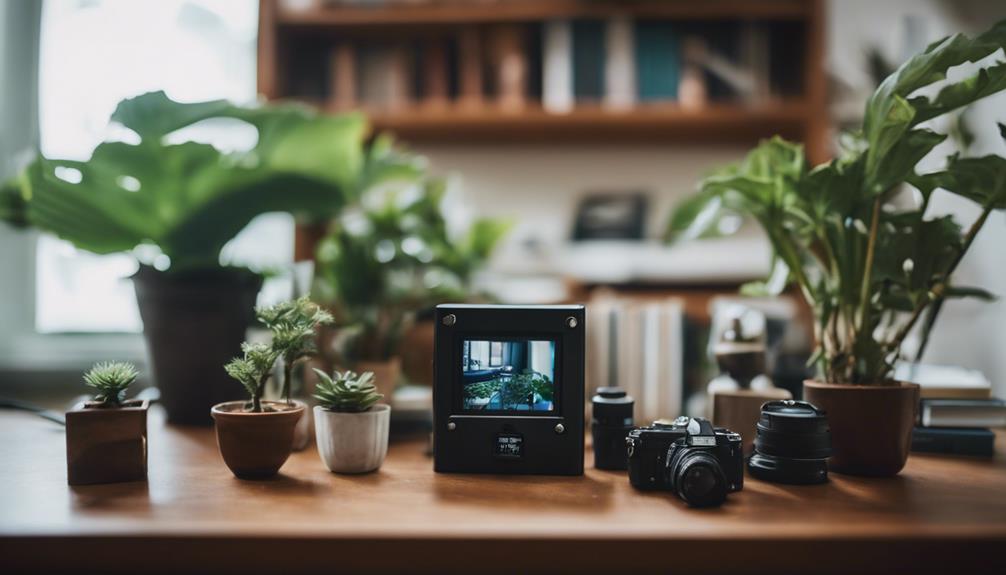
Objects worth inspecting include smoke detectors, digital clocks, picture frames, air purifiers, power outlets, decorative items, and electronics positioned toward beds, desks, seating areas, or other places where people spend time. A camera does not have to be hidden inside an unusual object; ordinary items placed at a convenient height can also deserve attention.
How to perform a basic infrared sweep
- Prepare the room. Turn off the lights and reduce other sources of illumination. Darkness can make small infrared points easier to notice.
- Start with likely viewing positions. Consider where a camera could be aimed and inspect objects with a clear view of those areas.
- Move slowly. Sweep the detector across the room rather than making quick movements. Watch for small, bright points or unusual reflections.
- Change your angle. Inspect potential lenses from several positions. A reflection may only be visible from a particular direction.
- Check objects carefully. Look for unexpected openings, pinholes, lens-like surfaces, or devices that appear modified. Do not dismantle property that you do not own.
- Verify anything suspicious. A single bright spot is not proof of a camera. Repeat the check, compare surrounding objects, and use a physical inspection to rule out reflections or other infrared sources.
A smartphone can provide a quick preliminary test. In a dark room, open the camera app and slowly point it toward suspicious areas. An infrared LED may appear as a faint white, purple, or similar bright spot, but the absence of a visible spot does not prove that no camera is present.
Important limitations
An infrared camera detector only helps when the suspected device produces a detectable infrared signal or has a lens that can be revealed by the detection method. Cameras using different low-light technologies, passive illumination, very low-power LEDs, or especially concealed lens assemblies may be difficult to find.
False positives are also possible. Reflections, sunlight, remote controls, and other electronic equipment can create infrared signals or bright spots. Detection distance may be reduced by furniture, room layout, and other obstructions. Smartphone performance is particularly inconsistent, so a phone should be treated as a basic screening tool rather than a dedicated detector.
For a sensitive workplace, legal dispute, or situation where the consequences of missing a device are serious, a professional counter-surveillance inspection may be more appropriate. Professionals can combine infrared inspection with physical examination, radio-frequency detection, and other equipment to reduce blind spots.
Choosing a detector
For occasional travel or home checks, a compact handheld detector may be sufficient. When comparing products, consider:
- Infrared sensitivity and detection distance
- Whether the device provides an optical view, electronic display, or both
- Battery life and portability
- Adjustable sensitivity or brightness controls
- Whether radio-frequency detection is included as a separate feature
More features do not automatically make a device reliable. The detector should be used as one part of a methodical inspection rather than as a definitive privacy certification.
Legal and responsible use
Use a detector only where you have permission to inspect the space and follow the privacy and surveillance laws that apply in your location. If you discover a device in a rental, hotel, workplace, or shared property, avoid damaging or removing it. Record its location and condition if it is safe to do so, then contact the relevant property manager, responsible organisation, or authorities.
Infrared detection can improve awareness of hidden cameras, especially those using night vision. Understanding what the tool can and cannot reveal—and combining it with careful inspection and responsible reporting—provides a more reliable approach to protecting privacy.