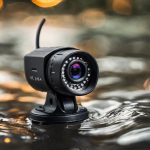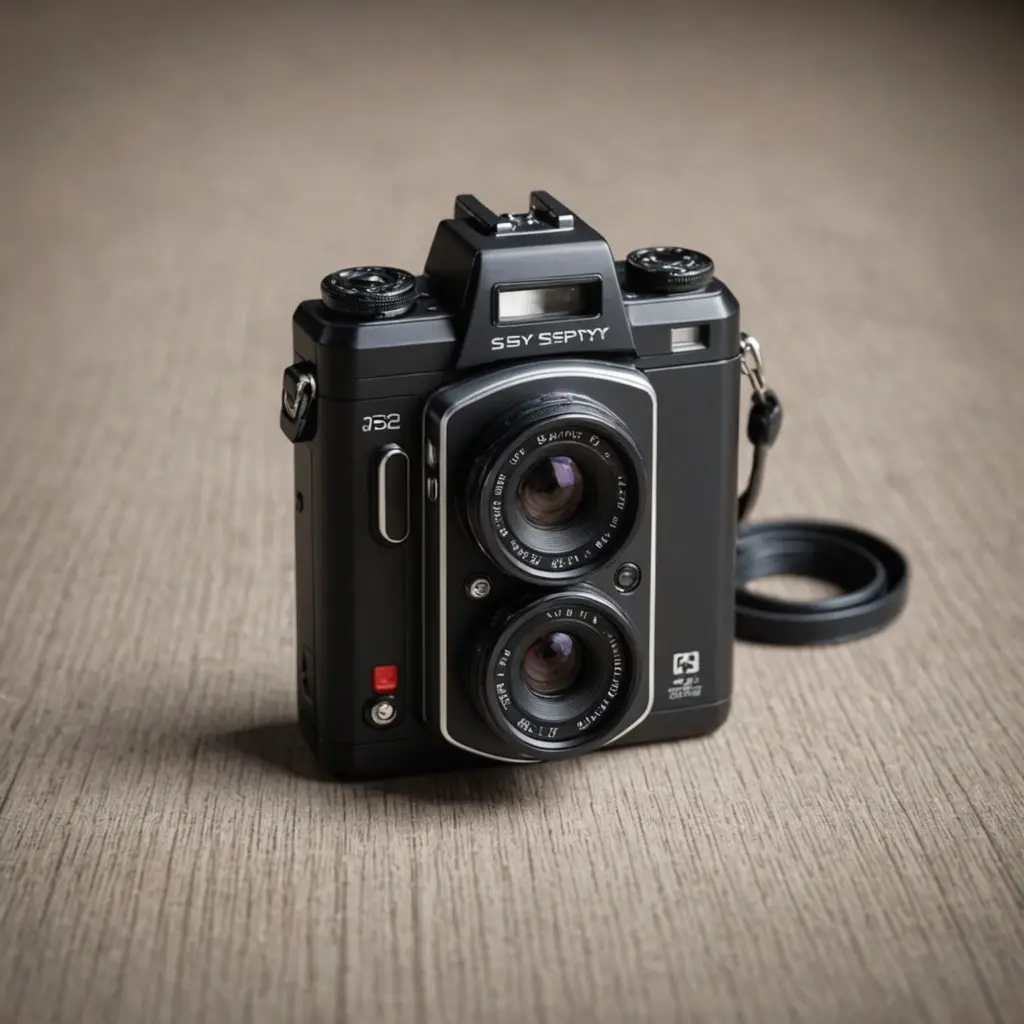

A cat treat camera combines a live pet camera with a remotely controlled treat dispenser. From a companion app, you can check on your cat, speak through two-way audio, receive movement alerts, and release a small reward when appropriate. This makes the device more interactive than a camera that only shows video. Cat treat camera designs can inform innovative treat dispensing devices used in subtle monitoring and home automation.
For owners who spend part of the day away from home, a treat-enabled camera can support familiar routines and provide useful insight into a cat’s behavior. It can also be a practical way to observe a new pet, check whether multiple cats are sharing resources peacefully, or reassure yourself that your companion is safe.
How a cat treat camera works
Most models combine three main functions in one unit:
- Video monitoring: A live stream lets you view the area where the camera is placed. Night vision may help when your cat is active in low light.
- Two-way audio: A built-in microphone and speaker allow you to listen and speak remotely. Some cats respond positively to a familiar voice, while others may need time to become comfortable with it.
- Treat dispensing: A motorized compartment releases treats on command, and some devices may also support scheduled dispensing or portion controls.
The combination is more versatile than a camera-only system, but it also introduces mechanical parts that need to work reliably. Treat capacity, compatibility, release distance, and ease of cleaning are therefore just as important as video quality.
Practical uses at home
Maintaining routines while you are away
A treat camera can help you stay involved during a busy day. You might use it to reward calm behavior, offer a small distraction during a stressful event, or check whether your cat is using a preferred resting or feeding area. Treats should complement—not replace—regular meals, fresh water, play, and in-person care.
Observing behavior
Remote video can reveal patterns that are easy to miss when you are at home. In a multi-cat household, the camera may help show which cat is approaching a feeding station or whether one animal is being prevented from accessing a shared area. It can also help you assess how a cat reacts to visitors, household sounds, or being left alone.
Video observations are not a substitute for veterinary advice. If you notice a significant change in eating, movement, toileting, or general behavior, contact a qualified veterinary professional.
Supporting training
Remote rewards can reinforce behaviors that your cat already understands, such as remaining calm in a chosen area. Keep rewards small and consistent, and test the system before relying on it. A loud dispensing mechanism or an unexpectedly forceful treat toss may frighten a cautious cat rather than encourage it. For broader coverage beyond treat time, explore wireless home monitoring options that connect rooms without cumbersome cables.
Features worth comparing
When evaluating a cat treat camera, consider the entire system rather than focusing only on the novelty of dispensing treats.
- Video and alerts: Look for a dependable live feed, useful motion notifications, and image quality that suits the room where the device will be placed.
- Audio controls: Two-way communication can be helpful, but adjustable volume and the option to mute audio are valuable for sensitive pets and privacy.
- Treat compatibility: Check the permitted treat size, shape, and texture. Confirm how much the hopper holds and whether it can be cleaned easily.
- Dispensing control: Test whether treats land in an accessible location and whether the app offers manual release, scheduling, or portion limits.
- Power and placement: Plug-in models provide continuous power, while battery-powered designs offer more flexibility. Either way, the unit should be stable and out of reach of chewing or knocking.
- App security and support: A strong password, software updates, clear privacy settings, a useful warranty, and responsive customer support matter for a connected device with moving parts.
Prices vary according to features such as video quality, storage options, motion detection, construction, and the reliability of the dispensing mechanism. Compare the total ownership cost as well as the initial purchase price, particularly if a service plan or cloud storage is included.
Cat treat camera or dog treat camera?
Some pet cameras are designed for both cats and dogs, but treat compatibility still needs attention. Dog-oriented products may be built around larger snacks or additional play features, while a cat-focused model may suit smaller treats and a quieter indoor environment. If you are considering a general pet camera with treats, verify the dispenser dimensions and operating noise before buying.
Placement, privacy, and safe use
Place the camera where your cat naturally spends time, such as near a bed, feeding area, or window perch. A position near the cat’s eye level can provide a clearer view, but avoid placing the device where it could fall or where treats could land near unsafe objects. Test the release direction and sensitivity settings before leaving the camera unattended.
Although compact pet cameras can be positioned discreetly, they should not be treated as an excuse for secret recording. Aim the lens at your pet and relevant areas of your home rather than neighboring property or private spaces. Tell household members, visitors, pet sitters, and other caregivers that a camera is operating, especially when audio recording is enabled. Privacy and recording rules can vary by location, so check the requirements that apply to you.
Finally, secure the account, use a unique password, install available firmware updates, and review who has access to the camera. Used thoughtfully, a cat treat camera can combine reassurance, observation, and positive interaction without disrupting your cat’s normal routine.