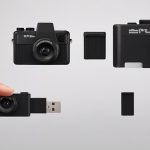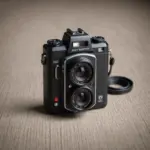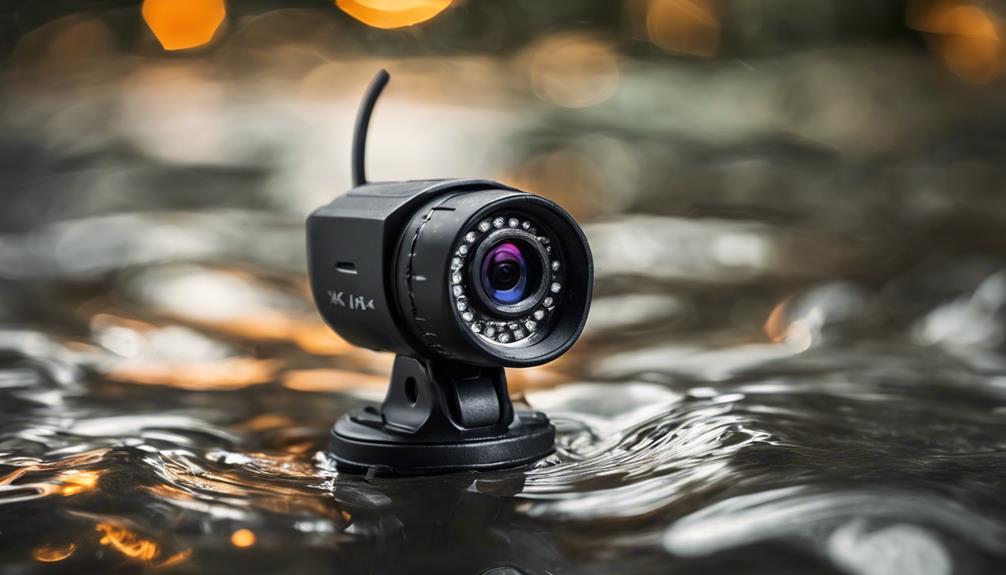

Mini action cameras combine a compact body with the core features people expect from larger action cameras. They are useful for hands-free outdoor recording, travel, vlogging, training footage, wildlife observation, and other situations where a lightweight camera is more practical than a full-size model. Learn how mini action camera engineering leverages tiny imaging sensors to enable covert features and extended battery life.
The same small design that makes these cameras convenient also creates compromises. A smaller body leaves less room for a large battery, heat management, physical controls, and a bigger image sensor. Choosing the right model therefore means balancing image quality, durability, recording time, mounting options, and the environment in which the camera will be used.
Why choose a mini action camera?
A compact camera is easy to carry and can be mounted where a larger device would be uncomfortable or distracting. It may fit on a helmet, chest harness, bicycle, vehicle, or small tripod. Lightweight equipment is particularly useful for running, mountain biking, climbing, travel, and first-person recording.
Many models also include wireless connectivity and mobile-app control. These features can make it easier to change settings, frame a shot, review clips, or transfer files without removing the camera from its mount. Depending on the model, a mini action camera may also support still photography, time-lapse capture, burst shooting, or livestreaming.
Key features to compare
Video resolution and frame rates
Higher resolution can preserve more detail and provide flexibility when cropping footage, while higher frame rates are useful for smoother motion or slow-motion playback. Resolution alone does not determine image quality, however. Lens quality, image processing, lighting, and compression also affect the final result. Reviewing sample footage is more useful than relying on a resolution label by itself.
Image stabilization
Electronic or optical stabilization can reduce distracting movement when the camera is attached to a helmet, bicycle, or moving person. Stabilization may crop the image or require additional processing, so check how it performs at the resolution and frame rate you intend to use.
Sensor and low-light performance
Miniature cameras commonly use small imaging sensors to keep the body and lens assembly compact. This helps with portability and may reduce power demands, but small sensors generally have less flexibility in dim conditions than larger ones. If you plan to record indoors, at dusk, or after sunset, look for real-world low-light examples rather than assuming that a high-resolution specification guarantees clear footage.
Water resistance and durability
Some cameras are designed to withstand rain or brief exposure to water, while others require a dedicated waterproof housing. These are not interchangeable claims. Check the manufacturer’s stated protection level and whether the rating applies with or without a case before using the camera for swimming, snorkeling, or filming in heavy weather. For longer sessions, a compact live recorder offers continuous footage while preserving the action camera’s portability.
Battery, storage, and recording modes
The small format limits available battery space, and demanding settings such as high resolution, high frame rates, wireless connectivity, and stabilization can affect recording time. For longer sessions, consider spare batteries, an approved external power source, or loop recording where appropriate.
Memory-card capacity and file size also matter. Check which card format and speed the camera supports, and plan how files will be backed up. Loop recording can be useful for continuously monitored areas because it overwrites older footage, but important clips should be copied before they are replaced.
Mounting and accessories
The right mount often matters as much as the camera itself. Head straps and chest mounts provide hands-free viewpoints for sports and walking tours. Handlebar and helmet mounts need to hold the camera securely while limiting vibration. Adhesive or magnetic mounts can be useful for temporary placement, provided the surface is suitable and the camera cannot fall into a hazardous area.
A waterproof housing, spare battery, external microphone, wind protection, and compact tripod can extend the camera’s usefulness. For vlogging, audio quality deserves special attention: a sharp image is less effective when wind noise or handling noise overwhelms the recording.
Using a mini camera for discreet recording
Compact cameras are sometimes marketed for low-profile monitoring because they are easy to position and less conspicuous than larger equipment. Legitimate examples may include documenting property, observing wildlife without disturbing it, or recording a delivery area where monitoring is permitted.
Discreet size does not remove privacy obligations. Laws about consent, audio recording, workplace monitoring, doorways, shared spaces, and private property vary by location. Do not record people where they reasonably expect privacy, and obtain notice or consent when required. Use password protection and secure file storage when recordings contain personal or sensitive information. Features such as motion detection, loop recording, and wireless transfer should support lawful, transparent use rather than hidden surveillance.
How to choose the right model
- For sports: prioritize stabilization, secure mounts, impact resistance, and simple controls.
- For vlogging: compare audio options, framing, wireless transfer, and ease of use.
- For water activities: verify the actual waterproof rating and whether a housing is required.
- For low-light scenes: examine sample footage and test the camera in the lighting you expect to encounter.
- For extended recording: plan for batteries, external power, storage capacity, and heat management.
- For monitoring: check motion recording, file security, privacy controls, and applicable laws before installation.
A mini action camera is most effective when its limitations are understood. Focus on the complete system—camera, mount, battery, storage, audio, and operating conditions—rather than selecting a model based on resolution alone. With suitable accessories and responsible recording practices, a compact camera can provide practical, flexible footage without the weight and bulk of a larger setup.