
Two way audio video surveillance has become a practical staple in modern security setups, combining real-time video with two-way voice communication to create a more interactive monitoring solution. Whether you are improving home security, managing a small business, or supervising caregiving, the ability to see and speak through a camera adds deterrence and convenience. This article explains how two way audio video surveillance systems work, the most useful features to look for, practical use cases, installation tips, and the legal considerations you should keep in mind when deploying spy camera features and technology. Understanding two-way audio features helps evaluate spy camera designs, connectivity, and recording trade-offs for discreet surveillance.
How two way audio video surveillance works
At its core, two way audio video surveillance pairs a camera with both a microphone and a speaker so users can view live video and communicate bidirectionally. The camera captures and streams video while the microphone picks up audio from the monitored area; the speaker relays audio coming from the remote user. In many systems, the audio path is full duplex, allowing simultaneous conversation, but some consumer models support half duplex where audio alternates between listening and speaking. Compression codecs for audio and video, network bandwidth, and latency all affect the clarity and responsiveness of the interaction. Wireless camera with two way audio models use Wi-Fi or cellular links to transmit streams, while wired systems might connect to a network video recorder for local storage and more robust management.
Practical use cases for two way camera systems
There are many practical scenarios where a two way camera can enhance safety and convenience. For home security, an outdoor security camera with two way audio lets homeowners warn off intruders, instruct delivery drivers, or speak with visitors at the gate without opening a door. In child or elder care, two way audio video surveillance enables remote check-ins and reassurance, allowing family members to communicate directly with a loved one. Small businesses benefit from the ability to greet customers, deter shoplifting, or respond to alarms in real time. Law enforcement and property managers use two way functionality for controlled access points and to de-escalate situations remotely. Even in hospitality or workplace settings, the interactive nature of two way audio improves service and operational efficiency.
Selecting the right 2 way camera for your needs
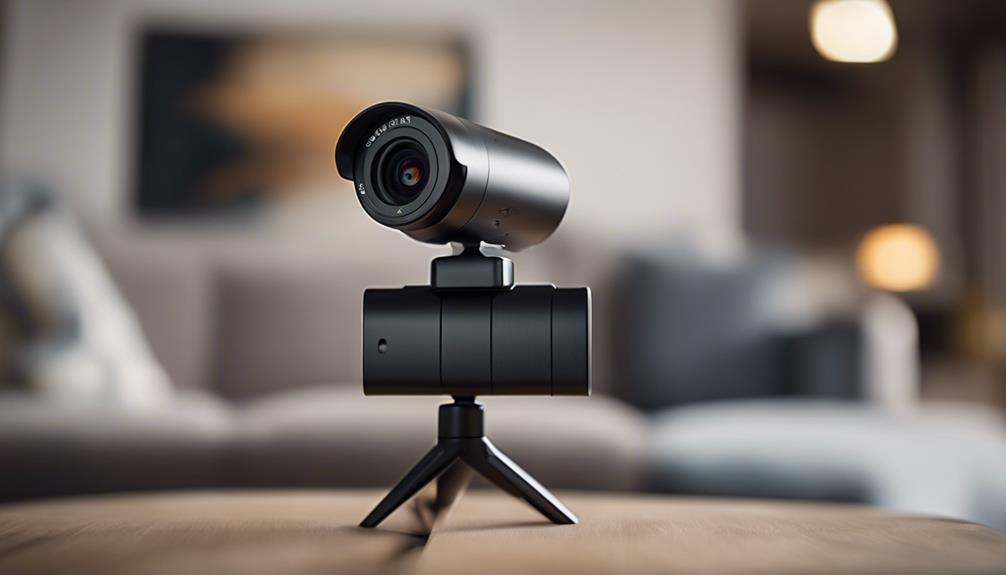
Choosing a suitable two way camera depends on where you will install it and what you expect from the system. For outdoor placement, prioritize an outdoor security camera with two way audio that has a durable enclosure rated for weather resistance, along with good night vision and a wide field of view. If you need a discreet option for monitoring a specific room, a compact two way camera or spy-style unit with high-quality audio components may be appropriate, but be mindful of privacy laws. For installations without easy wiring, consider a wireless camera with two way audio that supports battery power or solar charging; check battery life and standby performance since continuous audio streaming drains batteries faster. Audio quality matters—look for noise cancellation, echo suppression, and speaker volume sufficient for the environment. Finally, ensure the camera supports secure connections and the storage options you prefer, whether cloud, local SD card, or an NVR.
Installation and setup tips for reliable performance
Proper placement and setup maximize the effectiveness of two way audio video surveillance. Position cameras to avoid obstructions and situate microphones where they can capture sound clearly without being close to loud sources like HVAC units. For outdoor cameras, mount them at a height that prevents tampering but still allows clear facial recognition. When using a wireless camera with two way audio, verify your Wi-Fi coverage and bandwidth; two-way audio combined with high-resolution video can consume significant network resources and may require separate guest networks or QoS settings to maintain performance. To prevent feedback, keep microphones and speakers from pointing directly at each other, and enable built-in echo cancellation if available. Regularly update firmware to patch security vulnerabilities and improve audio/video performance. Finally, test the system with the typical remote devices (smartphones, tablets, or desktop clients) to ensure the user interface and push notifications work as expected. For wider coverage in two-way audio video surveillance, consider linking video nodes to extend feeds.
Privacy, legal considerations, and responsible use
Integrating two way audio into surveillance raises privacy and legal issues that vary by jurisdiction. In many places, audio recording laws are stricter than video-only surveillance; some require consent from recorded parties, while others allow video but not audio in certain settings. When deploying spy camera features and technology, be especially careful: covert audio recording can be illegal and ethically problematic. For businesses and public spaces, post clear signage indicating the presence of audio/video monitoring and limit recordings to areas where individuals have a reasonable expectation of being recorded. For homes, inform household members and frequent visitors. Secure your system with strong, unique passwords, enable encryption if available, and restrict remote access to authorized users to prevent misuse or eavesdropping. Responsible deployment preserves trust and reduces legal exposure while maintaining the operational benefits of two way audio video surveillance.
Maximizing value from your two way camera
To get the most from a two way camera, integrate it into broader security practices: set up motion-triggered alerts to draw your attention to events, configure schedules to manage when audio is enabled, and combine cameras with other sensors like door contacts and alarms for a coordinated response. For remote monitoring, choose systems that offer clear mobile apps with low-latency streaming so conversations feel natural. Periodically review recorded footage and audit user access logs to ensure the system functions as intended and to detect any unauthorized use. Whether you opt for a simple 2 way camera for home front-door interaction or a multi-camera enterprise setup, attention to audio-video quality, network reliability, and privacy safeguards will determine how effective the system is in real-world scenarios.
Two way audio video surveillance provides more than just passive observation: it enables active engagement, faster responses, and stronger deterrence. By understanding the underlying technology, selecting the right hardware—whether an outdoor security camera with two way audio or a compact wireless camera with two way audio—installing carefully, and following privacy best practices, you can deploy a system that enhances safety and peace of mind without compromising legal or ethical standards.