
Choosing the best nanny cam for elderly parents is about more than surveillance; it is a balance of safety, dignity, and peace of mind. Families increasingly rely on discreet cameras to monitor seniors at home or in assisted living, especially when mobility limitations, cognitive decline, or chronic conditions increase the risk of falls and missed medications. This article explains what to look for in a nanny cam for elderly use, compares common device types, outlines practical setup tips, and covers legal and ethical considerations so you can make an informed choice that respects privacy while improving security. For older adults' safety, explore nanny cam options to find features suited to elderly parent care.
Why choose a nanny cam for elderly parents?
A nanny cam for elderly relatives serves multiple roles: it verifies that caregivers are providing proper attention, documents incidents such as falls or wandering, and enables remote monitoring for family members who live far away. Unlike general home security cameras, the best nanny cam for elderly parents often prioritizes features tailored to senior needs, such as two way audio to calm an upset parent, high quality night vision for low light conditions, and fall detection or motion-triggered alerts. These features help family caregivers respond quickly to emergencies while reducing the stress of constant in-person supervision.
Key features to look for in a nanny cam for elderly use
When selecting a camera, look for reliable remote access through a secure app, clear daytime and nighttime video, and audio capabilities that allow conversation. Two way audio is especially valuable for soothing a disoriented elder or speaking with a caregiver without being physically present. Motion detection and customizable activity zones reduce false alerts from pets or routine movements, while real-time push notifications ensure you get immediate notice of unusual activity. Battery backup or continuous power is important to prevent gaps in coverage, and encrypted cloud storage or local recording options protect sensitive footage. If monitoring someone with a history of falls, consider devices with integrated fall detection or those that pair with wearable fall sensors.
Types of nanny cams suited for seniors
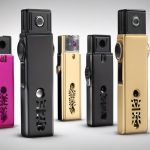
There are several types of nanny cams to consider depending on the environment and the level of monitoring required. Indoor fixed cameras are common for living rooms and bedrooms, offering wide-angle views and stable placement. Pan tilt zoom cameras add flexible coverage for larger spaces and can be controlled remotely to follow movement. Discreet cameras disguised as everyday objects can be useful if you want the device to blend into the home, but they must be used carefully and ethically. Wearable cameras and pendant-style fall sensors provide mobility for seniors who spend time outside the home or in day programs. Lastly, systems with professional monitoring services can escalate alerts to emergency responders, a helpful option for families who prefer a managed solution.
Practical use cases and setup tips
Start by deciding what you need the camera to do: detect falls, check medication routines, verify caregiver visits, or simply provide reassurance. Place cameras where they can capture the most relevant activity without invading personal moments; common spots include the living area, kitchen, and main hallway, but avoid placing cameras directly in bathrooms or bedrooms unless the elder explicitly consents. Position cameras at eye level to capture faces and reduce blind spots. Test the system with daytime and nighttime recordings to ensure clarity, and configure notification settings so family members or caregivers receive alerts that match their availability. If your parent is uncomfortable with cameras, involve them in the setup and explain how the device improves safety. This conversation can reduce anxiety and preserve dignity while ensuring the nanny cam for elderly monitoring is accepted and effective. For discreet supervision of aging parents, compare indoor monitoring options in our cam device reviews.
Privacy, legal and ethical considerations
Installing a nanny cam for elderly parents raises important privacy and legal questions. Laws vary by state and country, but a general rule is that you should not expect to record someone in a private space without their consent. Discuss the decision openly with your parent and any in-home caregivers and obtain written permission when possible. If your parent lacks decision-making capacity, consult with a healthcare proxy or legal guardian before installing cameras. Be transparent about who will have access to footage, how long recordings will be stored, and the steps taken to secure video files. Ethically, balance the need for safety against the right to privacy by limiting camera coverage to essential areas and regularly reviewing recordings only when needed. Transparent policies and technical safeguards such as encrypted storage and strong passwords will help protect both dignity and data.
Choosing the right model and ongoing maintenance
To identify the best nanny cam for elderly parents, compare multiple models focusing on reliability, ease of use, and customer support. Look for devices with simple app interfaces suitable for less tech savvy family members and clear warranty and return policies. Regularly update device firmware and apps to maintain security, test camera angles and alert systems, and periodically review storage usage to avoid losing important footage. If the system will be managed by a remote family member, set up shared access with limited permissions so caregivers can receive alerts without full administrative control. Finally, ensure that the system integrates smoothly with other smart home devices you may be using for senior care, such as smart locks, medication reminders, or emergency response systems.
Choosing the best nanny camera for elderly parents is a thoughtful process that combines technology and compassion. By prioritizing features like two way audio, reliable night vision, and secure remote access, and by addressing privacy and legal issues upfront, families can create a monitoring setup that enhances safety without undermining dignity. With the right camera and respectful communication, a nanny cam can be a valuable tool in keeping elderly loved ones safe and connected to the people who care for them.