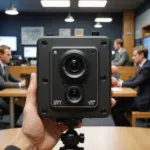

A GPS tracking device with audio combines location data with recorded or live sound. Instead of showing only where a vehicle, person, or asset has been, an audio-enabled tracker can provide additional context about what was happening at the time. Depending on the model, it may store recordings locally, transmit audio through a cellular connection, or combine sound with video and time-stamped GPS information.
These devices can support legitimate safety, fleet-management, caregiving, and investigative purposes. However, audio recording is subject to stricter privacy rules than location tracking in many places, so responsible installation and lawful use are essential.
How a GPS tracker with audio works
The core system typically includes a GPS receiver for determining location, a cellular connection for sending data, and a built-in microphone for capturing sound. Some devices record audio to internal storage or a removable memory card. Others allow authorised users to access live audio or download recordings through an app or web portal.
Audio may be captured continuously, at scheduled times, or only after a specific event. Depending on the device, triggers can include movement, harsh braking, a geofence alert, or another configured notification. A GPS tracker with audio and video may synchronise microphone input, camera footage, and coordinates so that each recording can be reviewed alongside the relevant location history.
Features to evaluate
Audio quality is more important than simply having a microphone. Consider how the microphone is positioned, whether it is suited to the intended environment, and how effectively it handles background noise. A unit installed in a vehicle, for example, may need better noise reduction than one used in a quiet indoor setting.
- Recording method: Determine whether the device stores files locally, provides remote access, or supports both options.
- Power supply: Continuous recording can use more power than occasional GPS updates. Battery-operated units may need frequent charging, while vehicle installations may use a permanent power connection.
- Storage and security: Check available storage, file access controls, and whether recorded data can be protected against unauthorised access.
- Time and location data: Accurate timestamps and reliable GPS logs are important when audio is being used to understand an incident.
- Connectivity: Live audio and remote alerts depend on cellular coverage and the device’s data connection.
- Video support: If visual evidence is also required, choose a model designed to synchronise audio, video, and location records rather than adding unrelated equipment.
Potential applications
In fleet operations, audio can help clarify what occurred during an accident, safety incident, or emergency. Location records may show where an event happened, while sound can provide additional environmental or verbal context. Fleet operators should combine any monitoring system with clear policies explaining what is collected, why it is collected, and who may review it.
Caregivers and families may consider audio-enabled tracking when the primary goal is safety oversight. The device should be used transparently and only in circumstances where the responsible parties have the necessary authority and consent. Audio can also supplement security or investigative records when both location and surrounding sound are relevant to an incident.
For asset monitoring, a GPS audio recorder may provide information beyond a location map. In a vehicle or other mobile asset, recorded environmental sound can sometimes help explain activity around a loss or recovery event. It should not, however, be treated as a substitute for proper security procedures or lawful evidence handling.
Legal and privacy responsibilities
Audio recording laws vary by jurisdiction. Some places require the consent of one participant in a conversation, while others require consent from everyone being recorded. Additional rules may apply in workplaces, homes, vehicles, care settings, and areas where people reasonably expect privacy.
Before deploying a tracker with voice recording, confirm the applicable requirements and obtain consent or provide notice where required. Avoid recording private conversations without a lawful basis. Organisations should document the purpose of monitoring, restrict access to authorised users, establish retention periods, and securely delete recordings that are no longer needed.
Installation and responsible operation
Choose the device according to its intended environment. A fleet installation may benefit from a stable power source, secure mounting, cellular connectivity, and centralised management. A portable unit may prioritise battery life and local storage. In either case, the GPS antenna and microphone should be positioned according to the manufacturer’s instructions, without obstructing normal operation or creating a safety hazard.
Test the system before relying on it. Confirm that the device records clearly, timestamps are consistent, location data is being received, and authorised users can retrieve files. Review access permissions regularly and protect accounts with strong credentials.
A GPS tracking device with audio can provide more useful context than coordinates alone, but its value depends on sound technical choices and careful governance. Selecting suitable recording, power, storage, and security features—and respecting consent and privacy requirements—helps ensure the technology is used for legitimate safety and monitoring purposes.