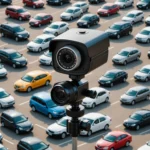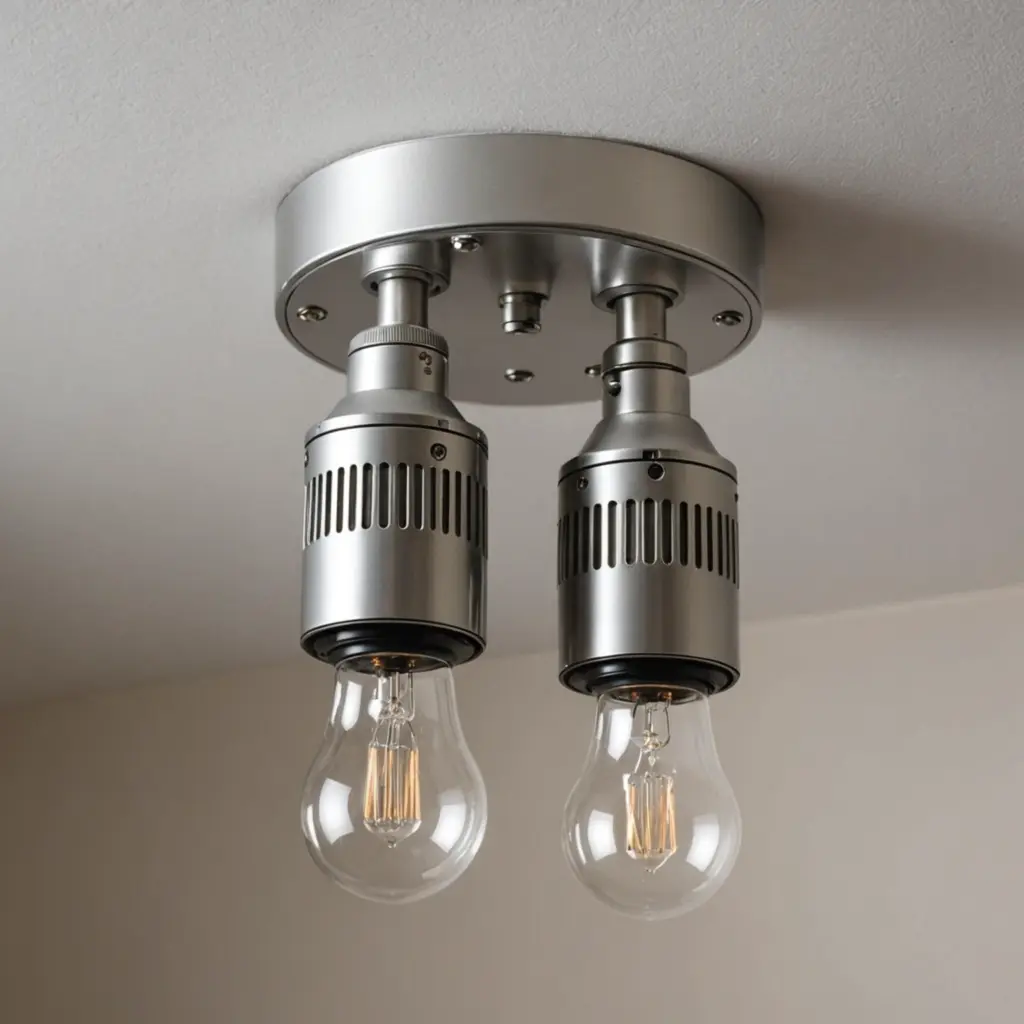

Outdoor security lighting with a camera combines two useful functions in one fixture: bright illumination when movement is detected and video evidence of what caused the alert. These devices can replace a conventional porch light, spotlight, or other exterior fixture while allowing you to view activity remotely and review recorded events later. Outdoor security lighting installations can conceal sensors and wiring to enable covert monitoring options around a property.
They can be useful at front doors, driveways, garages, side paths, patios, and other access points. The right choice depends on the area you need to cover, the available power supply, your preferred storage method, and how much control you want over lighting and motion alerts.
How an outdoor camera light works
Most combined units contain an LED light, a camera, and one or more sensors. When the motion sensor detects activity, the light may switch on and the camera can begin recording or send an alert. Some models also use ambient-light sensors so they operate differently during daylight and darkness.
Depending on the device, useful capabilities may include:
- Infrared or color night vision for low-light footage
- A wide viewing angle for entrances, paths, or driveways
- Adjustable motion sensitivity and detection zones
- Remote live viewing through a connected app
- Cloud recording or local storage
- Two-way audio for speaking with visitors
- An adjustable spotlight or beam direction
A wireless outdoor security camera with a motion light can be easier to install than a hardwired fixture, but it may require battery checks or recharging. A wired porch-light camera or spotlight camera can provide a steadier power supply, although installation may involve existing electrical wiring and local code requirements.
Where these systems are most useful
Front doors and porches
A front-door light with a camera can show visitors, deliveries, and activity near the entrance. Look for a view that captures the approach to the door rather than only the area directly beneath the fixture. Night vision and two-way audio are particularly useful when the light is not enough to produce clear nighttime images.
Driveways, garages, and walkways
A motion-activated light with a camera can illuminate vehicles and people approaching the property. Positioning is important: the camera should cover the likely path of approach without pointing directly toward headlights, reflective surfaces, or areas that create frequent false alerts.
Patios, gardens, and side access points
A lantern-style camera or compact light-and-camera fixture may suit a patio or garden while providing visibility around less frequently used entrances. These locations can benefit from adjustable detection zones so movement from trees, pets, or nearby public paths does not trigger unnecessary recordings.
What to compare before buying
Start with the coverage area and the quality of nighttime images, then consider how the fixture will be powered and connected. A product with impressive features may be inconvenient if its Wi-Fi signal is weak at the proposed installation point or if its battery is difficult to maintain. For added indoor coverage, explore apartment monitoring options that complement outdoor lighting and camera placement.
- Lighting: Check brightness, beam direction, activation delay, and whether the light can remain on continuously or only during detected motion.
- Video: Compare viewing angle, night vision, image detail, and the ability to review recordings.
- Power: Choose between hardwired, battery-powered, or solar-assisted operation according to the location and installation constraints.
- Storage: Confirm whether recordings use cloud storage, a local card or hub, or another method, and review any access requirements.
- Connectivity: Verify that the wireless signal reaches the fixture and that the app provides the controls you need.
- Installation: Check mounting options and whether replacing an existing exterior light requires electrical work.
Placement and installation advice
Mount the device high enough to reduce tampering while maintaining a useful view of faces and access routes. The supplied guidance identifies approximately 8 to 10 feet above ground as a typical range. Aim the camera toward doors, gates, garage entries, and paths rather than toward private neighboring areas.
Test the view during both day and night. Adjust the angle to avoid glare from streetlights, headlights, or nearby reflective surfaces. Use motion zones and sensitivity controls to reduce alerts caused by passing traffic, small animals, or moving branches. Keep the lens, light cover, and sensor area clean, and check periodically that vegetation has not blocked the view.
Hardwired installations should be completed safely and in accordance with applicable electrical requirements. If you are not comfortable working with exterior wiring, use a qualified installer. Battery and solar models offer more placement flexibility, but their performance can depend on weather, sunlight, temperature, and how often the light and camera activate.
Privacy and responsible use
A camera light should protect your property without unnecessarily recording other people’s private spaces. Do not aim it at neighbors’ windows, enclosed private areas, or locations where people reasonably expect privacy. Configure privacy masks or activity zones when available, and limit recording to the areas relevant to your security needs.
Rules concerning audio, video recording, signage, visitors, tenants, and disguised or hidden cameras vary by jurisdiction. If you are considering a concealed installation, review local requirements before using it and avoid recording private conversations or spaces without appropriate consent. Visible fixtures and clear communication are generally preferable where practical.
Finally, protect the camera account with a strong, unique password and two-factor authentication when available. Review who can access recordings, keep software and device settings maintained, and delete footage that no longer serves a legitimate purpose.
Making the choice
An outdoor security light with a camera can provide illumination, a visible deterrent, remote awareness, and recorded evidence in a single installation. Compare the camera’s nighttime performance, lighting controls, power source, storage, and privacy features rather than choosing based on appearance alone. Thoughtful placement and regular maintenance will do as much to improve results as the fixture itself.