
A hidden camera with audio combines video recording with a built-in microphone, allowing it to capture activity and sound in the surrounding area. These devices may be used for home security, childcare oversight, property monitoring, or business protection, but audio recording introduces significant legal and privacy responsibilities. The best choice depends on where the camera will be used, how long it must operate, whether remote access is needed, and whether everyone being recorded has provided appropriate consent.
Key features to compare
Start by checking whether the product records both sound and video. Some compact cameras include a microphone for live listening but do not save audio with recorded footage, while others support full audio-and-video recording. Microphone placement and sensitivity affect intelligibility, particularly in a small device. A camera positioned closer to the area being monitored will generally capture clearer sound than one placed across a large room.
Other specifications worth reviewing include:
- Video resolution: Higher resolution can make faces and other details easier to identify, although it may require more storage.
- Low-light performance: Infrared night vision can help in dark areas, but performance varies between models and may affect image colour or clarity.
- Motion detection: Motion-triggered recording can reduce unnecessary footage and conserve storage or battery power.
- Power source: Plug-in cameras are better suited to continuous operation, while battery-powered models are more flexible but require regular charging.
- Storage: Devices may use local memory cards, internal storage, or cloud services. Check recording limits, subscription requirements, and backup options.
- Remote access: Wi-Fi models may provide live viewing and alerts through a mobile app, provided the network and account are secured properly.
Common camera formats
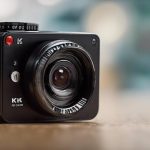
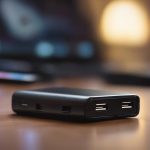
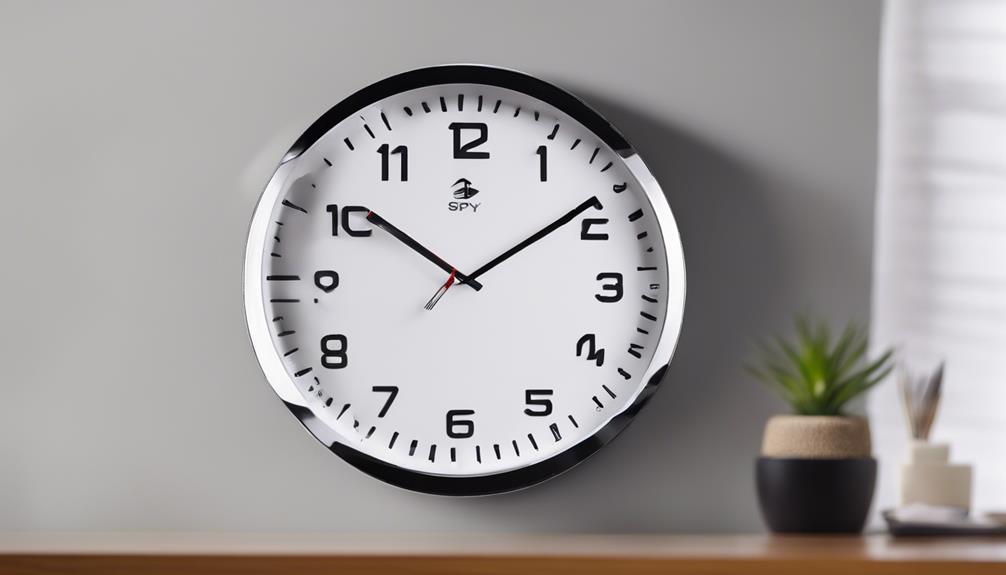
Miniature cameras are often designed to blend into ordinary household or workplace objects. Examples include compact modules, clock-style devices, plug-in units, and products intended to resemble common electronics. The appearance should not be the main deciding factor, however. A discreet design is only appropriate where recording is lawful, necessary, and consistent with the expectations of people in the space.
For a fixed location with access to mains power, a plug-in camera may provide more dependable coverage than a battery model. A battery-powered wireless camera can be useful for temporary monitoring or places without a convenient outlet, but its operating time depends on battery capacity, motion activity, wireless use, and night-vision settings.
Legitimate uses
When used transparently and within the law, cameras with audio may support several practical purposes. A household may use one to check on a child, pet, delivery area, or entry point. A small business may use security equipment to protect stock or document incidents in permitted communal areas. Remote property owners may also use a networked camera to check a building’s condition.
Audio is not always necessary. If the goal is simply to verify movement or protect an entrance, a video-only camera may provide useful coverage while reducing privacy concerns. In situations involving care for an older person or someone with additional support needs, discuss monitoring openly and obtain clear permission wherever possible.
Legal and ethical responsibilities
Audio recording is often subject to stricter rules than video surveillance. Requirements can differ by country, state, or territory. Some jurisdictions regulate the recording of conversations based on one-party consent, while others require consent from everyone involved. Rules may also apply to notices, workplace monitoring, storage, and sharing of recordings.
Never assume that a camera is acceptable simply because it is small or available for sale. Bathrooms, bedrooms, changing areas, and other places where people reasonably expect privacy are especially sensitive and may be prohibited locations. Do not use a hidden camera to record private conversations or personal activity without a clear lawful basis and appropriate consent.
A responsible approach includes:
- Checking local recording and privacy laws before installation.
- Using visible equipment or clear notice when that meets the security need.
- Limiting recording to the smallest area and shortest period necessary.
- Protecting footage with strong passwords, encryption, and restricted access.
- Deleting recordings when they are no longer needed and avoiding unnecessary sharing.
Buying and setting up a device
Purchase from an established security or electronics supplier and review the warranty, app support, firmware update policy, storage costs, and return terms. Be cautious with inexpensive products that use poorly secured apps, require unclear permissions, or no longer receive updates.
Before relying on the camera, test its microphone, image quality, night vision, motion alerts, and recording settings in the intended location. Change default passwords, enable available account protections, secure the home Wi-Fi network, and position the device so it does not capture areas unrelated to the stated purpose.
Final considerations
A hidden camera with audio can combine useful security functions in a compact device, but technical capability should not outweigh consent and privacy. Consider whether audio is genuinely needed, choose the least intrusive option that meets the goal, and confirm the legal requirements before recording anyone. Responsible placement, secure storage, and limited access help reduce the risk of misuse while preserving the legitimate benefits of monitoring.