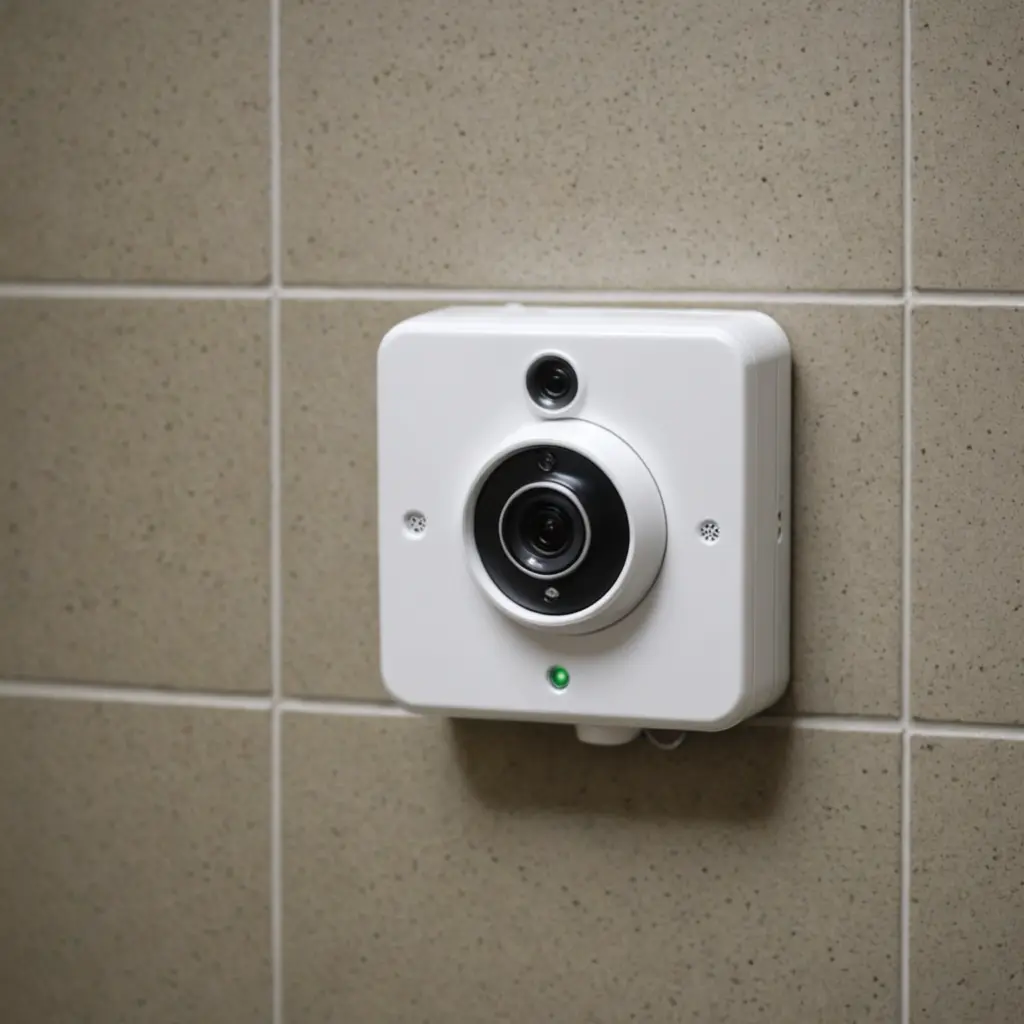

A hidden camera without Wi-Fi records video locally instead of sending footage across a wireless network. This design suits people who want a simpler setup, have unreliable connectivity, or prefer not to connect a camera to the internet. Depending on the model, recordings may be saved to a microSD card for later review rather than viewed live from a phone or computer.
These cameras can be useful for lawful security monitoring in homes, vehicles, and other spaces where recording is permitted. They should never be used to invade someone’s privacy, and local rules are especially important when a device records audio.
Why choose a camera without Wi-Fi?
The main difference between a non-Wi-Fi camera and a networked model is how footage is handled. A Wi-Fi camera may offer remote viewing, but it also requires a network connection and account or app access. A camera with no Wi-Fi generally keeps recordings on the device, which can reduce setup complexity and avoid transmitting footage over the internet.
- Local recording: Video is usually stored on a memory card rather than streamed online.
- Simple installation: There is no wireless network pairing or router configuration.
- Useful in disconnected locations: The camera can record where Wi-Fi is unavailable or unreliable.
- Fewer remote features: Most models cannot provide live viewing or remote alerts without a network connection.
Features to compare
Non-Wi-Fi cameras can include many of the same recording functions found in connected devices. Look for the features that match the intended, lawful use rather than focusing only on the camera’s size.
- Video resolution: Higher resolution can make details easier to review, but it may use more storage.
- Motion detection: The camera starts recording when movement is detected, helping conserve storage and battery power.
- Loop recording: When storage is full, older files may be overwritten automatically. Check whether important clips can be protected.
- Night recording: Infrared or low-light capability may improve footage in dark conditions, though results vary by design.
- Battery or wired power: Rechargeable models are portable, while wired cameras may be better for extended recording.
- Audio recording: A built-in microphone can add context, but audio surveillance is often subject to stricter legal requirements than video.
Storage and recording time
Most offline cameras use a microSD card. The amount of footage a card can hold depends on resolution, frame rate, compression, audio use, and whether the camera records continuously or only when motion occurs. The supplied information describes some models as supporting cards of 128GB or more, but compatibility and maximum capacity vary by device.
Before buying, confirm the required card type and capacity. Review important recordings regularly, copy them to secure storage, and format the card according to the manufacturer’s instructions when it is ready to be reused. If loop recording is enabled, check that essential files are not at risk of automatic deletion.
Common lawful applications
Home security
An offline camera may be used to document activity around an entrance, storage area, or other permitted location without placing footage on a home network. Position it so that it records only the area necessary for the security purpose, and avoid private spaces such as bathrooms or bedrooms.
Childcare and household monitoring
A camera marketed as a nanny cam without Wi-Fi can record routines or incidents for later review. It does not provide the remote access associated with a connected baby monitor, so recordings must be retrieved from the device. Anyone responsible for a household should consider notice, consent, and applicable employment or privacy rules before recording caregivers or visitors.
Vehicle security
A camera installed in a vehicle may help document collisions, attempted theft, or other incidents. Vehicle-oriented models may offer motion or vibration activation and may be designed to handle changing light conditions. Installation should not obstruct the driver’s view, interfere with vehicle controls, or violate local recording laws.
Power, placement, and maintenance
Battery-powered cameras require regular charging and may record for less time at higher resolutions or with continuous recording enabled. Wired installations can support longer operation but need careful routing and, in a vehicle, a suitable power connection. Test the camera’s field of view before relying on it, and check that movement, lighting, date, and time settings work as expected.
Keep the lens clean, inspect mounts after repositioning, and review storage status periodically. A non-Wi-Fi camera may have limited or no firmware-update process, so consult its documentation rather than assuming that network features can be added later.
Privacy and legal responsibilities
Recording without Wi-Fi does not remove legal or ethical responsibilities. Laws differ by location, and audio recording may require consent even where video recording is allowed. Do not place cameras in areas where people reasonably expect privacy. In workplaces, rental properties, shared homes, or childcare settings, disclosure may be required. Use recordings only for the stated security purpose, protect them from unauthorized access, and delete them when they are no longer needed.
A hidden camera without Wi-Fi can provide private, dependable local recording, but it is not a substitute for careful planning. Compare storage, power, motion detection, night recording, and audio options, then confirm that the proposed placement and recording practice comply with local law and respect everyone affected.