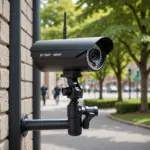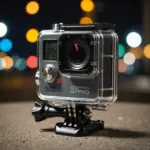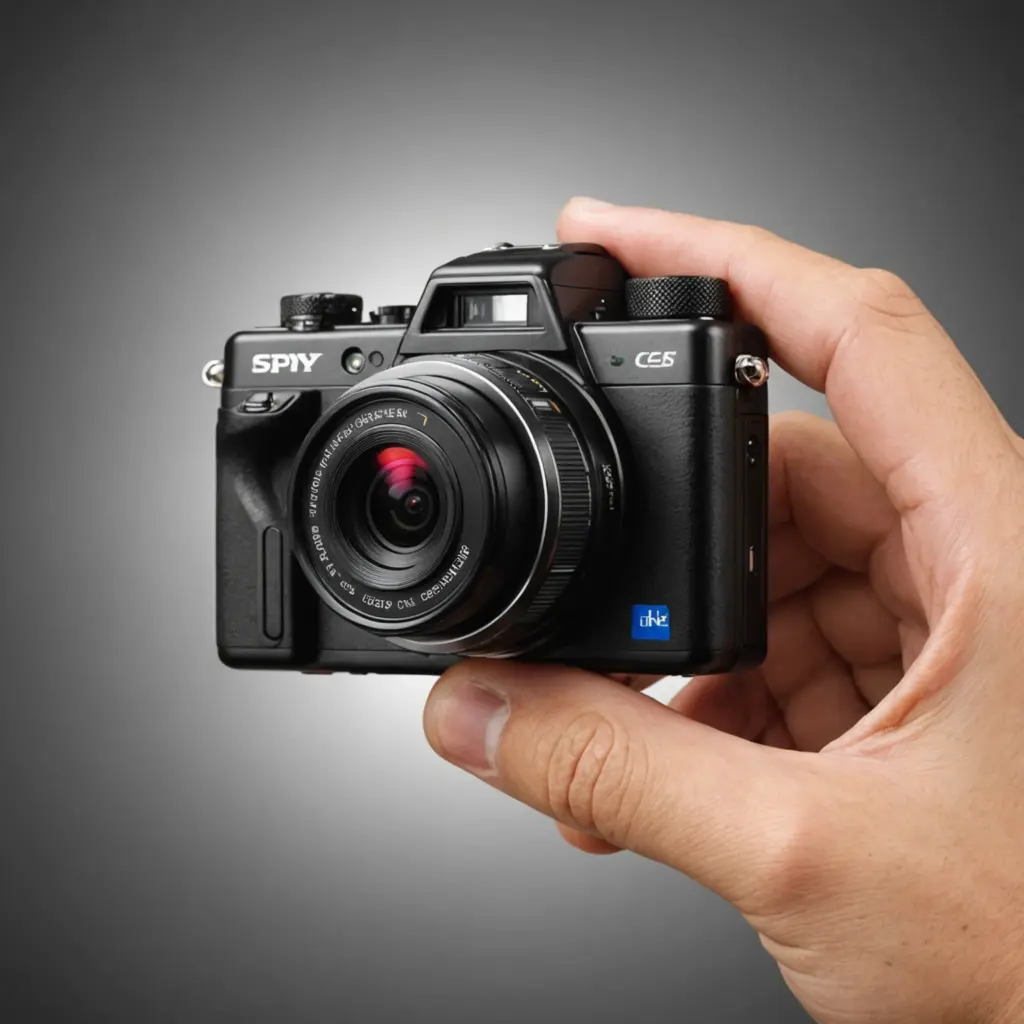

Mini Camera Hd Recorder devices have become a popular tool for discreet monitoring and compact video capture. Advances in sensor technology, battery design, and storage have allowed these tiny devices to record high-definition video with surprising clarity. Whether you are evaluating options for home security, monitoring a workspace, or exploring creative uses like action filming and pet observation, understanding the features and technology behind a mini camera hd recorder will help you choose the right model and use it responsibly. Mini HD recorders often include discreet recording features that mirror advanced spy camera technologies for covert use.
How mini camera HD recorders work: core technology
At the heart of any mini camera hd recorder is a small image sensor paired with a lens assembly and a processor that compresses and stores video. Modern sensors offer good low-light performance and can capture 1080p or higher resolutions despite the small form factor. The processor handles encoding in H.264 or H.265 to reduce file size without sacrificing too much detail, enabling longer recording times on microSD cards. Many units also include onboard microphones, allowing a hidden camera with microphone capability for audio-visual evidence. Connectivity features such as Wi-Fi, Bluetooth, and mobile app integration make it possible to preview camera video small streams in real time or to download clips remotely.
Key features to look for in a mini camera HD video recorder
Choosing a mini camera hd video recorder requires balancing size, battery life, image quality, and concealment. Resolution and frame rate are primary considerations: 1080p at 30 frames per second is a common baseline, while higher-end models may offer 2K or 4K capture. Low-light performance relies on sensor sensitivity and aperture; look for devices with night vision or enhanced low-light modes if you expect dim environments. Motion detection and loop recording help conserve storage by writing only when activity occurs and overwriting old files when the card is full. If audio is important, seek a unit labeled as a hidden camera with microphone or mini video camera recorder with built-in audio. Battery capacity determines how long the camera runs between charges, and models designed for continuous operation often offer external power options or battery swaps. Finally, form factor matters: the smallest video camera recorder models are designed to be unobtrusive, fitting into everyday objects or small mounting brackets for discreet placement.
Practical use cases for a small video camera recorder
Mini camera hd recorders serve a wide range of practical applications. Homeowners use them for supplementary home security to monitor entryways, garages, and children’s rooms. Caregivers and parents sometimes rely on compact cameras to verify the quality of care from house sitters or babysitters, though this use raises legal and ethical concerns that must be addressed. Pet owners find these devices useful for observing pets’ behavior when they are away, while small businesses use them to review customer interactions or deter theft. Outdoor adventurers and cyclists may prefer the smallest video camera recorder for documenting activities because it is lightweight and easy to mount. Journalists and investigators use discreet mini cameras for on-the-go reporting or evidence collection, leveraging the hidden camera with microphone capability to capture conversations and context when permitted by law. Try a compact stick recorder if you need a portable alternative to a Mini Camera HD Recorder.
Placement, concealment, and design considerations
Effective placement of a mini camera hd recorder depends on the goal of the recording. For general surveillance, elevated positions with wide angles reduce blind spots. When concealment is required, choose housings or props that look natural in the environment—shelf clocks, USB chargers, and smoke detectors are common disguises in commercial products, but custom concealment should be approached cautiously. The camera video small footprint of mini recorders makes them easy to hide in tight spaces, yet careful attention to line of sight and microphone orientation is needed to ensure usable footage and audio. Consider the trade-offs between concealment and accessibility for battery changes or data retrieval. If audio capture is essential, ensure the microphone is not obstructed or muffled by the concealment material.
Setup, maintenance, and legal considerations
Setting up a mini camera hd recorder typically involves charging the battery, inserting a compatible memory card, configuring motion or recording settings, and, if available, linking the device to a mobile app for live view and alerts. Regular maintenance includes updating firmware to address security vulnerabilities, clearing stored footage, and testing audio and video quality under representative lighting conditions. It is important to secure any wireless connections with strong passwords and to change default credentials to prevent unauthorized access to live streams or recordings. Most critically, be aware of local laws and privacy rules governing the use of hidden cameras and audio recording. Recording in private spaces without consent, such as bathrooms or changing areas, is illegal in many jurisdictions. Even in places where surveillance is permitted, informing employees and following workplace policies can prevent legal disputes. Use these devices ethically and transparently whenever possible.
Mini Camera Hd Recorder technology packs powerful imaging capabilities into remarkably small devices. By understanding how they work, what features matter, and how to deploy them responsibly, you can choose a mini video camera recorder that meets your needs for home security, monitoring, or creative projects. Always balance technical capability with privacy and legal obligations to ensure your usage is both effective and ethical.